Career Overview
Lilly Wachowski (often working alongside her sister Lana) operates as one of the most transformative figures in contemporary American cinema. Working collaboratively for much of her career, she fundamentally reshaped the landscape of the Hollywood blockbuster at the turn of the millennium. Her background steeped in comic books, literary science fiction, and gaming culture provided a robust foundation for her cinematic ambitions. This eclectic foundation eventually culminated in a visionary approach to filmmaking that merged highbrow philosophy with mass market accessibility.
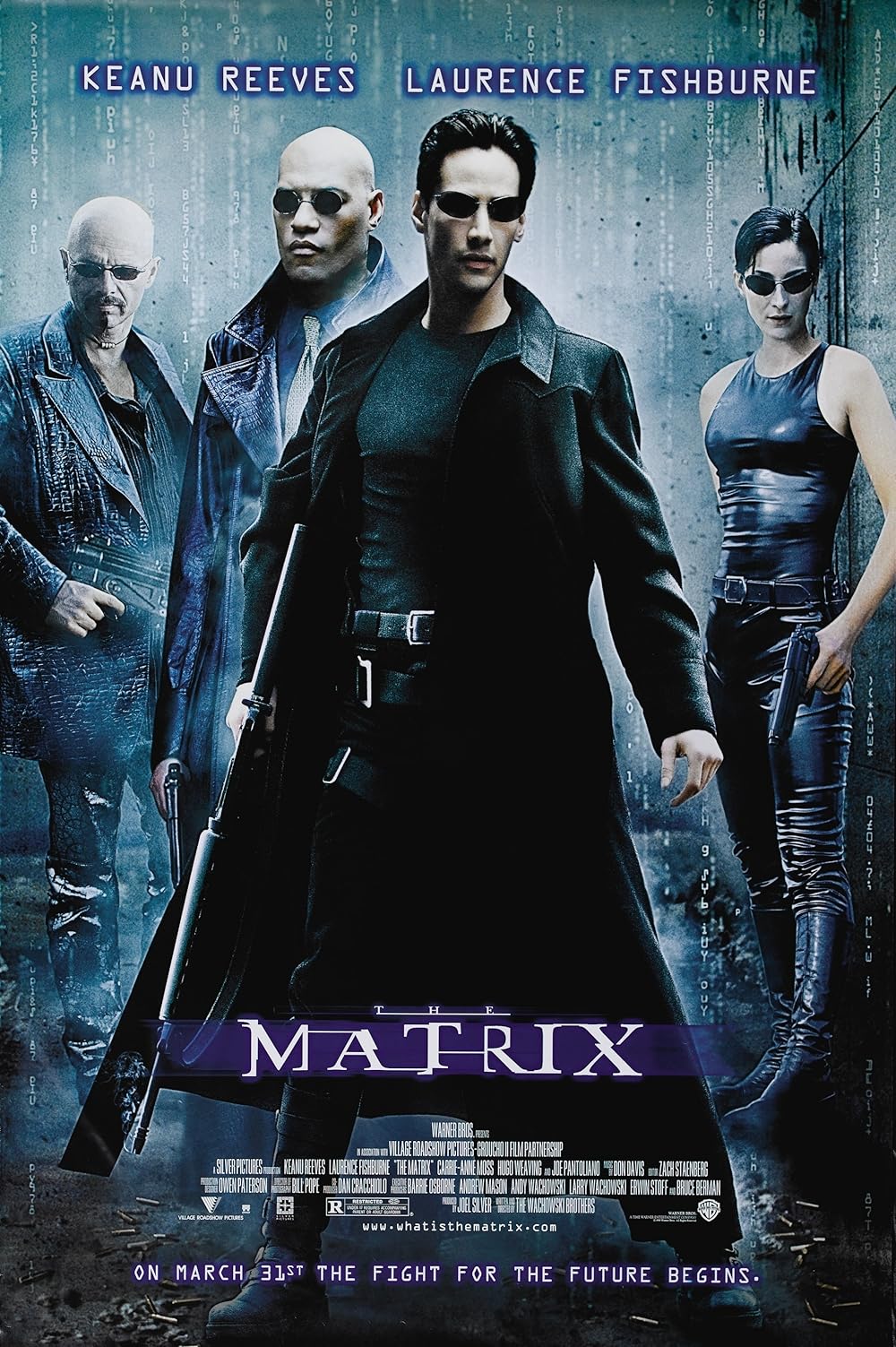
The release of The Matrix in 1999 marked a tectonic shift in popular cinema. The project had been incubating for several years as a script the directors struggled to get financed. When it finally arrived on 2,849 screens over the Easter weekend, it not only revitalized a flagging box office but also established Lilly Wachowski as a premier architect of modern science fiction. The film propelled her from an emerging independent talent (following the critically acclaimed thriller Bound) into a globally recognized cinematic auteur.
Within the broader context of cinema history, Wachowski bridges the gap between the analog traditions of twentieth century filmmaking and the digital vanguard of the twenty first century. By fusing disparate global influences into a singular Hollywood product, she created a new template for the studio tentpole. Her work continues to serve as a vital reference point for film scholars studying the evolution of digital effects and the commercialization of cyberpunk aesthetics.
Thematic Preoccupations
The cinematic universe authored by Lilly Wachowski is fundamentally defined by deep philosophical inquiries into the nature of existence. At the core of her thematic preoccupations lies the tension between reality and illusion. The Matrix serves as the ultimate thesis statement for this obsession. By trapping humanity within a simulated virtual reality, Wachowski forces the audience to confront the fragility of human perception and the terrifying possibility that our lived experiences are entirely fabricated.
Intertwined with this ontological skepticism is a persistent exploration of freedom versus control. The narratives often feature oppressive systems that seek to subjugate individuals through technological or institutional means. The struggle of Thomas Anderson (reborn as the hacker Neo) is a classic hero's journey recontextualized for the digital age. This conflict highlights a deep suspicion of authoritarian structures and celebrates the liberating power of self realization and awakening.
Furthermore, Wachowski repeatedly examines the intersection of humanity and technology. Rather than presenting a simple cautionary tale, her work delves into the complex codependency between flesh and machine. The incorporation of cyberpunk elements emphasizes a dystopian future where technology both enslaves and empowers. This nuanced approach to science fiction elevates her films beyond mere genre exercises, transforming them into intellectually stimulating allegories for the modern human condition.
Stylistic Signatures
Lilly Wachowski possesses a visual vocabulary that is instantly recognizable and relentlessly innovative. Her directorial style is characterized by a dazzlingly inventive integration of practical martial arts and advanced digital effects. The aesthetic of The Matrix defined the visual palette of early 2000s cinema. She favors a highly stylized visual approach that contrasts the grimy, oppressive textures of a dystopian reality with the sleek, artificial perfection of digital constructs.
The most famous contribution Wachowski made to the medium's stylistic lexicon is the bullet time technique. This groundbreaking visual effect allows the camera to track through space at normal speed while the action on screen unfolds in extreme slow motion. This innovation fundamentally altered the way action sequences are choreographed and captured. It granted a liquid geometry to gunfights and physical combat, making the impossible appear photorealistic and spatially coherent.
Beyond pure visual spectacle, Wachowski utilizes precise editing rhythms to manage frequent, complex switches between different realities. These transitions are entertainingly ingenious, maintaining narrative momentum while constantly disorienting the viewer in a deliberate manner. Coupled with a propulsive, electronic soundscape, her stylistic choices create a kinetic excitement that overwhelms the senses while demanding intellectual engagement from the audience.
Recurring Collaborators
Any discussion of Lilly Wachowski must first acknowledge her foundational creative partnership with her sister, Lana Wachowski. For the majority of their early careers, the siblings operated as a singular directorial entity. This intense collaboration allowed them to meticulously craft complex worlds that demanded an extraordinary level of detail. Together, they navigated the studio system to bring fiercely original visions to the screen, relying on their shared obsession with global cinema to push stylistic boundaries.
A critical component of Wachowski's action cinema is her collaboration with legendary Hong Kong martial arts choreographer Yuen Woo-ping. By bringing Yuen into a major Hollywood production, Wachowski successfully married Eastern physical aesthetics with Western science fiction. This partnership was instrumental in creating the gripping sequences defying gravity that came to define The Matrix. Yuen's choreography elevated the physical combat from standard Hollywood brawling to an elegant, balletic art form.
In front of the camera, Keanu Reeves stands as the crucial physical embodiment of Wachowski's thematic inquiries. His performance as Thomas Anderson anchors the high concept philosophy in a relatable, distinctly human vessel. Reeves provides a solid performance that relies as much on his physical dedication to the grueling martial arts training as it does on his stoic screen presence. His ability to project both vulnerability and messianic power makes him the perfect cinematic avatar for Wachowski's ambitious narratives.
Critical Standing
The critical reputation of Lilly Wachowski is firmly rooted in her status as a visionary filmmaker who successfully merged ambitious concepts with blockbuster sensibilities. Upon its initial release, The Matrix was widely celebrated by critics as a wholly original cinematic experience. Major publications praised the film as a cinematic masterpiece that redefined the science fiction genre. Reviewers frequently highlighted her ability to balance thrilling action with philosophy that provokes deep thought.
Over time, her position within critical discourse has only solidified. Early reviews occasionally accused her work of being an ambitious but portentous dystopian fantasy, drawing comparisons to Cronenbergian body horror like eXistenZ or Ridley Scott's Blade Runner. Even critics who felt the narrative sometimes retreated to formula could not deny the sheer kinetic excitement and visual dazzle of her direction. These initial debates have evolved into a broad critical consensus that her early work fundamentally changed the trajectory of the cinematic medium.
Recent retrospective analyses demonstrate the remarkable longevity of Wachowski's artistic vision. Rereleases and anniversary evaluations have noted that her barnstorming thriller holds up tremendously well. The production design, thematic prescience, and visual innovations have avoided the dated quality that plagues many films driven by digital effects from the same era. Today, Lilly Wachowski is regarded not just as a successful director, but as a pivotal innovator whose work continues to challenge perceptions of reality and inspire new generations of filmmakers.