Career Overview
Luca Guadagnino occupies a distinct space in contemporary world cinema, operating at the intersection of rigorous European art house traditions and deeply accessible emotional storytelling. Born in Palermo, Italy, Guadagnino brings a distinctively Mediterranean sensibility to his filmmaking. His directorial eye is consistently drawn to the textures of the natural world and the complexities of human desire, establishing him as a foremost sensualist of modern film.
Guadagnino first captured international critical attention by charting the intersections of class, culture, and passion. Critics frequently contextualize his breakthrough works as part of an unofficial trilogy of desire, with Call Me by Your Name standing alongside previously acclaimed projects like I Am Love and A Bigger Splash. These films collectively demonstrate his evolution from an observer of rigid social structures to a poetic chronicler of liberation. Through this trajectory, Guadagnino has cemented his reputation as a director uniquely capable of translating internal longing into vivid cinematic landscapes.
By the time of his triumphant late 2010s output, Guadagnino had fully mastered his distinctive blend of intellectual rigor and visceral emotion. His narratives often center on expatriates or outsiders placed in impossibly glamorous yet isolated settings. This geographic isolation forces his characters to confront their deepest truths, allowing Guadagnino to examine the human condition without the distractions of urban modernity. His position in cinema history is now defined by this ability to resurrect the lush, character-driven romances of the twentieth century while infusing them with a thoroughly modern understanding of fluid identity and artistic salvation.
Thematic Preoccupations
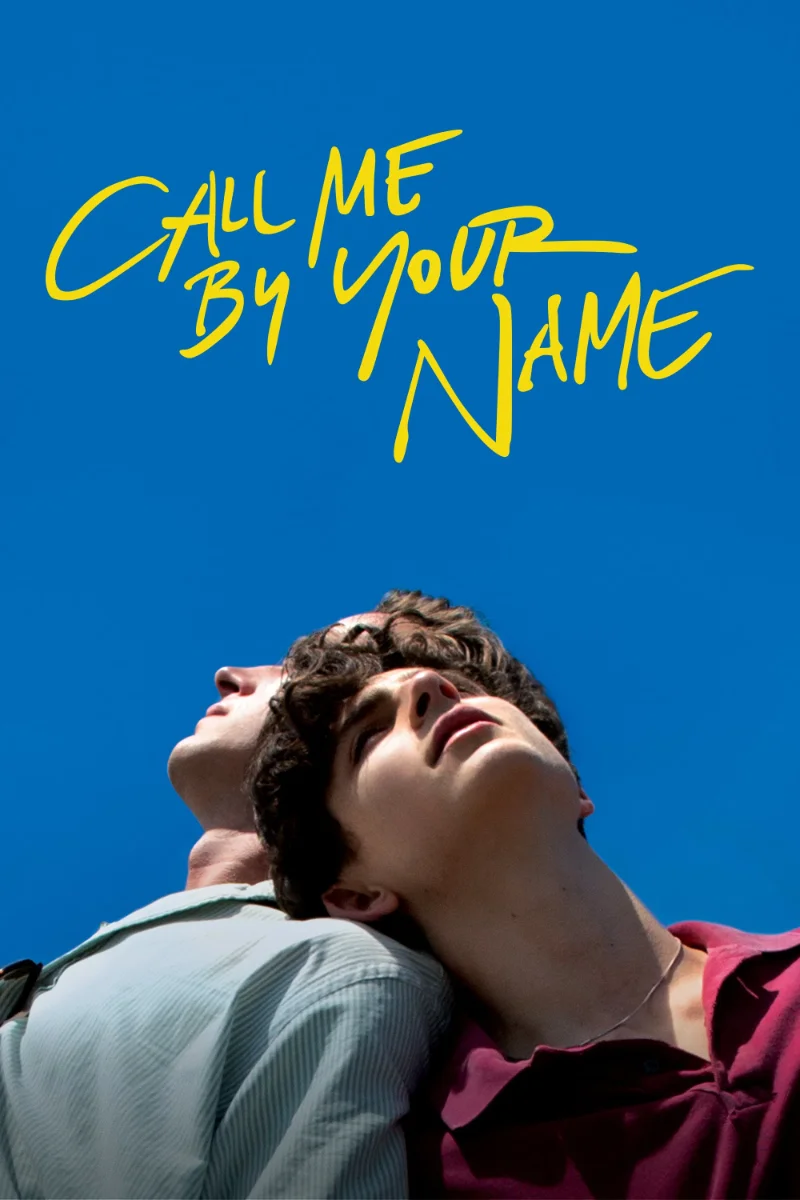
At the core of Guadagnino's cinematic universe lies a profound preoccupation with the intimate emotional journey. His narratives are fundamentally driven by self-discovery, utilizing romantic entanglement as the primary catalyst for psychological awakening. In Call Me by Your Name, the exploration of a summer romance is never treated as a fleeting dalliance. Instead, it serves as a profound coming-of-age reflection, where the collision of two disparate souls forces a lasting emotional growth arc. For Guadagnino, first love is not merely a narrative trope but a devastating and transformative psychological event.
Cultural exploration also operates as a major thematic pillar in his work. Guadagnino places his characters within culturally rich environments steeped in history, classical music, and literature. This allows the director to explore how sophisticated literary references and intellectual pursuits inform and elevate romantic connection. Critics note his films are deeply concerned with the salvation found in the meditative power of the arts, suggesting that intellectual curiosity and physical desire are inextricably linked in the director's philosophy.
Furthermore, Guadagnino obsessively investigates the fluidity of human identity and the sensuality inherent in romantic relationships. The physical spaces his characters inhabit become arenas for authentic cultural narratives and boundary testing. His protagonists are often young or emotionally restless, seeking definition through their interactions with others. The resulting narratives are less about traditional plot mechanics and more about the delicate, intricate process of a young person learning to embrace their most vulnerable emotional side.
Stylistic Signatures
The visual language of Luca Guadagnino is defined by lush and vibrant imagery that constantly appeals to the viewer's tactile senses. He relies on natural light, warm sunny skies, and the gentle breezes of northern Italy to create an immersive environment. This ravishing storytelling technique ensures that the setting is never merely a backdrop but an active participant in the unfolding drama. The rustling of leaves, the splash of pool water, and the texture of ripened fruit all contribute to a sensory overload that perfectly mirrors the internal passions of his protagonists.
In the editing room, Guadagnino favors an affecting, slow-burning approach. Rather than relying on rapid cuts or aggressive exposition, he allows moments of attraction to simmer. Critics frequently praise how his films put two strangers in an isolated home and light the fuse on their attraction, allowing it to burn long and slow rather than fast and angry. This deliberate pacing gives the audience time to inhabit the spaces alongside the characters, fostering a deeply meditative and emotional tone that rewards patience.
Sound design and musical curation form another critical layer of his stylistic signature. Guadagnino utilizes classical piano arrangements and evocative contemporary tracks to underscore the sensual intimate moments shared by his characters. The camera often lingers on quiet exchanges or solitary moments of reflection, creating a sophisticated sensuality. Through his masterful manipulation of rhythm and composition, Guadagnino crafts a visual language where an unspoken glance or a lingering touch carries the weight of a lengthy monologue.
Recurring Collaborators
While Guadagnino often works with a varied ensemble of international talent, the success of his most celebrated work relies heavily on the profound chemistry generated by his leading performers. In Call Me by Your Name, the pairing of Timothée Chalamet and Armie Hammer provides the emotional anchor for the film. Critics have highlighted the ridiculous chemistry these actors share from the very beginning. Their ability to navigate characters who are initially prickly toward one another before melting into deep affection demonstrates Guadagnino's skill in casting and actor direction.
Behind the camera, Guadagnino's work is profoundly shaped by astute literary collaborations and adaptations. By drawing upon the work of authors like André Aciman, he infuses his screenplays with a rich, novelistic texture. The sophisticated framing of his narratives frequently echoes the thematic depths of prominent novelists. Reviewers frequently draw parallels between his cinematic approach and the evocative prose of Alan Hollinghurst, noting a shared dedication to chronicling the nuances of queer desire and high cultural milieus.
Equally vital to Guadagnino's vision are his production designers and cinematographers, who construct the impossibly glamorous aesthetic that defines his filmography. These creative partnerships result in meticulously detailed environments, from sun-drenched Italian villas to opulent aristocratic estates. The creation of these spaces allows the director to ground his lofty thematic ambitions in a tangible, lived-in reality. The aesthetic unity across his films speaks to a collaborative process where every visual element is rigorously calibrated to serve the overarching emotional narrative.
Critical Standing
The critical reception of Luca Guadagnino has evolved from respectful curiosity to rapturous acclaim, firmly establishing him as a modern master of the romantic drama. His films are routinely celebrated as ravishingly beautiful masterpieces that revive a classically sweeping style of cinema. Early in his career, some critics viewed his aesthetic obsessions as overly decadent, but current critical discourse largely recognizes this lushness as a deliberate and necessary tool for emotional resonance. His dedication to authentic cultural narratives has earned him a prominent place at top-tier film festivals and in end-of-year critical retrospectives.
Critics frequently situate Guadagnino's work within a lineage of prestigious, visually sumptuous cinema, drawing explicit comparisons to Merchant Ivory productions like Maurice. Reviewers note a shared commitment to exploring the intersections of class, suppressed desire, and artistic awakening. Yet, film scholars also acknowledge that Guadagnino injects these classical frameworks with a distinctly modern vitality. He completely sidesteps the rigid formality sometimes associated with period pieces, replacing it with a fluid, breathy sensuality that feels incredibly urgent and contemporary.
Today, Guadagnino's standing in cinema history is that of an auteur who fearlessly champions vulnerability and emotional intelligence. Influential publications like Slant Magazine and The Guardian consistently praise his films for chronicling young men learning to embrace their emotional realities. By transforming intimate tales of self-discovery into universally affecting cinematic events, Guadagnino has secured a legacy as a director who proves that deeply personal, slow-burning stories can achieve monumental critical and cultural impact.