Career Overview
Nitesh Tiwari occupies a singular space in modern Indian cinema, bridging the gap between commercial Bollywood spectacle and socially resonant realism. Beginning his career in the fast-paced world of advertising before transitioning to feature films, his trajectory reveals a meticulous calibration of populist entertainment and critical thematic inquiry. He is not merely a director of blockbusters but a careful observer of Indian social fabrics. His transition to feature films allowed him to expand his canvas, bringing a disciplined, narrative-first approach to an industry often dominated by star-driven vehicles.
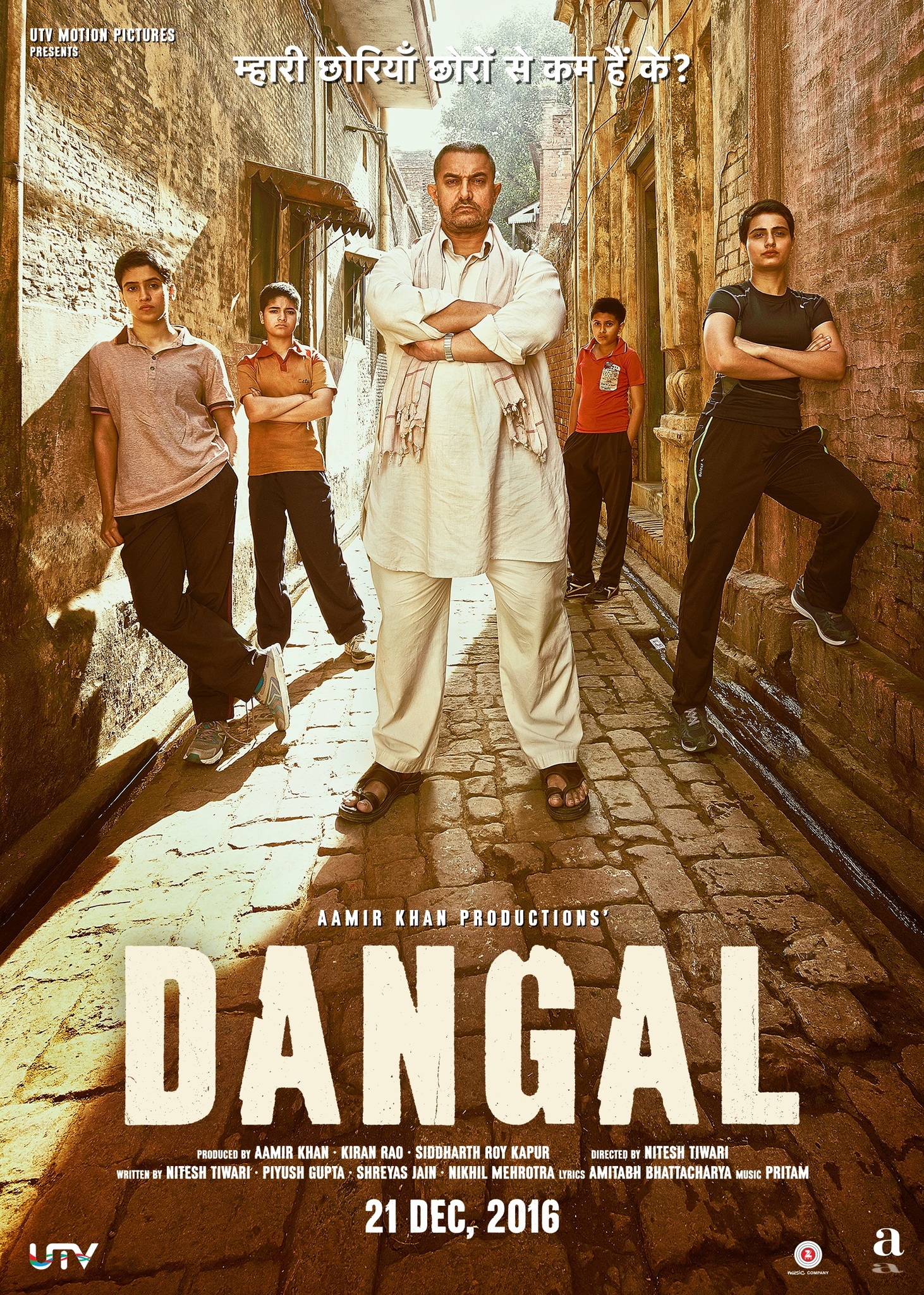
His breakout achievement, Dangal, redefined the parameters of the Indian sports biopic. By anchoring a monumental sports narrative in the granular realities of rural Haryana, Tiwari demonstrated a profound understanding of regional authenticity. This specific cinematic triumph solidified his position as a filmmaker capable of engineering massive commercial success without sacrificing narrative integrity. His work represents a crucial evolutionary step in Hindi cinema, moving away from escapist fantasy toward stories that confront societal realities head-on.
Tiwari's position in cinema history is increasingly defined by his role as a cultural ambassador. By synthesizing the emotional amplitude of traditional Indian cinema with a modern, progressive sociopolitical lens, Tiwari has carved out a unique auteurist space. His ability to craft films that resonate simultaneously in rural Indian theaters and international multiplexes marks a significant shift in the global footprint of Indian cinema.
Thematic Preoccupations
Tiwari frequently interrogates the tension between traditional patriarchal structures and modern progressive ideals. In Dangal, this tension is manifested through the rigorous exploration of father-daughter relationships and gender equality themes. He uses the crucible of athletic competition to dissect broader societal shifts, turning the wrestling mat into a potent microcosm for a changing nation. His narratives are fundamentally about the dismantling of systemic barriers through sheer human will.
Furthermore, Tiwari is deeply invested in the mechanics of inspiration and empowerment. He crafts empowering stories that transcend mere athletic victory to address profound cultural change. His work continually questions how individual ambition intersects with national identity. The motif of the demanding but ultimately liberating paternal figure functions as a conduit for exploring generational evolution and the passing of the torch from a rigid past to a dynamic future.
Ultimately, his thematic preoccupations coalesce around the concept of culturally impactful entertainment. Whether dealing with sports and competition in films or intimate family dynamics, Tiwari seeks to foster cultural exchange in storytelling. His films are designed to be universally accessible, yet they never dilute their culturally significant cinema origins, proving that hyper-specific local narratives can achieve profound cross-cultural appeal.
Stylistic Signatures
Visually, Tiwari favors a grounded, tactile realism that deliberately avoids the glossy artifice often associated with mainstream Bollywood cinema. His mise-en-scene is characterized by an acute attention to regional detail. The dusty wrestling arenas and modest rural domestic spaces are rendered with textural authenticity. He establishes a clear visual hierarchy where the environment constantly shapes the physical and psychological states of his characters.
During sequences of high physical exertion, Tiwari employs dynamic, kinetic cinematography to emphasize the visceral impact of sports and competition. He understands the geometry of physical space, utilizing wide shots to isolate his subjects against unforgiving environments before moving in for intense, claustrophobic close-ups during moments of psychological crisis. The editing rhythms during these training montages create a propulsive momentum that mirrors the relentless drive of his protagonists.
Crucially, his approach to sound and music is highly integrated and narratively purposeful. As noted by critics, his use of musically engaging sequences elevates the emotional stakes without disrupting the grounded reality of the film. The propulsive, rhythmic musical compositions function almost as an internal monologue for the characters, underscoring their quiet determination and transforming solid, sound entertainment into an immersive cinematic experience.
Recurring Collaborators
While specific acting troupes across multiple films are not formally identified within the current critical database, Tiwari relies heavily on distinct creative partnerships behind the camera to realize his vision. His collaborations with top-tier music directors are essential to his stylistic signature. The sonic landscapes crafted in these partnerships provide the emotional scaffolding for his inspirational narratives, seamlessly blending contemporary rhythms with traditional folk instrumentation.
Additionally, his work with specialized cinematographers and rigorous editors helps maintain the delicate balance between gritty realism and blockbuster scale. The reliance on dedicated casting directors ensures that even the most secondary characters are inhabited by performers who bring undeniable regional authenticity to the screen. This behind-the-scenes synergy is what prevents his films from feeling like manufactured products, giving them an organic, lived-in quality.
These technical and creative collaborations are pivotal in ensuring that his culturally significant cinema translates effectively to a massive global audience. By surrounding himself with craftspeople who share his commitment to authenticity, Tiwari guarantees that the technical execution of his films always serves the thematic core. This collaborative ecosystem is the unseen engine driving his record-breaking performances and enduring international success.
Critical Standing
Nitesh Tiwari's critical reputation is intrinsically linked to the unprecedented international success of his work. Dangal transformed his standing from a competent domestic filmmaker to a director capable of generating immense global appeal. Critics have frequently compared his thematic resonance and box office dominance to other culturally transcendent films like Your Name, Bajrangi Bhaijaan, and PK. He is universally lauded for spearheading the Bollywood in China dynamic, proving that Indian narratives possess profound cross-cultural resonance.
Western publications, including the Los Angeles Times and The Guardian, have recognized his adept handling of complex social issues packaged as highly accessible entertainment. Critics praise his work as very solid, very sound entertainment, noting how he adapts to changing mores by recasting traditional patriarchal figures as protectors and champions of female empowerment. This critical consensus highlights his unique ability to satisfy both populist appetites and highbrow critical standards.
Today, his legacy is firmly defined by his unique ability to deliver record-breaking box office hits that simultaneously function as sophisticated vehicles for social critique. Tiwari stands at the vanguard of a movement that is redefining the global perception of Indian cinema. His critical standing remains robust, anchored by his proven capacity to merge culturally impactful entertainment with masterful cinematic craftsmanship.