Career Overview
Oliver Stone emerged as a profoundly uncompromising voice in American cinema, distinguished by his willingness to confront the darkest chapters of contemporary history. His trajectory as a filmmaker is inextricably linked to his own lived experiences, allowing him to inject a raw and authentic storytelling into the fabric of the Hollywood narrative. By prioritizing the grit and trauma of actual events, he shifted the paradigm of historical cinema toward a more immediate, subjective realism.
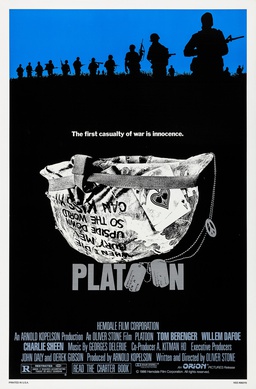
His breakthrough and lasting legacy in the pantheons of cinematic history stem largely from his interrogation of the Vietnam War, most notably encapsulated in Platoon. Unlike the myth-making tendencies of classical Hollywood, Stone constructed a cinematic environment rooted in visceral and intense experiences. This approach effectively redefined the war genre, establishing him as a director who forces audiences to confront uncomfortable national truths without the buffer of patriotic sentimentality.
Within the broader context of twentieth century filmmaking, Stone occupies a singular position as both provocateur and historian. He grounds grand geopolitical failures in the dirt, blood, and profound emotional depth of the frontline infantryman. His commitment to this ground-level perspective of combat elevated him among his contemporaries, cementing his reputation as a filmmaker who translates personal and collective trauma into enduring, vital art.
Thematic Preoccupations
A dominant preoccupation across Oliver Stone's cinematic output is the unflinching examination of the horrors of combat and the psychological toll it extracts from the individual. He consistently strips away the romanticism often associated with historical conflicts, substituting traditional heroism with an uncompromising representation of violence. His narratives insist on an authenticity of the experiences, forcing the audience to reckon with the brutal realities of survival in hostile environments.
Central to these realistic portrayals is a recurring moral struggle within corrupting systems, frequently dramatized through conflicting authority figures. In Platoon, this duality is famously embodied by two sergeants representing opposing forces of honor and cynicism. Through such character dynamics, Stone interrogates the loss of innocence, the nature of evil, and the internal fracturing of the human soul when subjected to the extreme pressures of warfare.
Furthermore, Stone returns obsessively to the concept of personalized history. Rather than focusing on abstract geopolitical strategy, he anchors his impactful war narratives in gripping personal narratives. He seeks to capture the ground-level perspective, asking how systemic failures impact the infantryman in the jungle. This dedication to personalization ensures that the sweeping themes of trauma and moral decay are always anchored in a harrowing emotional impact.
Stylistic Signatures
Stone's visual language is characterized by its visceral intensity and a relentless pursuit of raw authenticity. He employs a ground-level perspective of combat that plunges the viewer directly into the chaos of the narrative. This immediate and unfiltered approach forsakes clinical, objective distance in favor of an overwhelming sensory experience. The camera often moves breathlessly alongside the subjects, capturing the oppressive atmosphere, sweat, and terror of the environment with vivid immediacy.
To complement this kinetic visual approach, Stone utilizes an uncompromising representation of violence through rapid editing rhythms and chaotic mise-en-scene. The framing intentionally traps characters in claustrophobic, disorienting spaces, heightening the harrowing emotional impact of the conflict. By refusing to sanitize the brutality on screen, his stylistic choices ensure that the physical reality of his subjects mirrors their internal psychological deterioration.
Despite the overwhelming sensory assault of his aesthetic, Stone roots his narrative progression in powerful, actor-driven characterizations. The rawness of the cinematography works in tandem with the emotional depth of the performances, ensuring that the visceral shocks serve a deeper psychological reality. This synthesis of intense visual grit and intimate performance style creates a vivid realism that is difficult to replicate.
Recurring Collaborators
While the current database does not identify actors crossing multiple films, Stone's approach relies heavily on performers capable of sustaining high emotional and visceral intensity. His narratives demand actors who can transcend typical Hollywood posturing to deliver gripping personal narratives. Performers like Tom Berenger and Willem Dafoe in Platoon are critical to translating the director's thematic dualities into compelling, grounded characterizations that anchor the chaos of the setting.
These specific collaborations highlight a crucial element of Stone's directorial method, which is his absolute demand for physical and psychological rawness from his cast. The actors must embody the ideological conflicts central to his narratives, manifesting the brutal realities of combat through layered, intense performances. The emotional depth required to carry his ground-level perspective necessitates partnerships with actors willing to completely immerse themselves in harrowing environments.
Behind the camera, his cinematic vision requires partnerships with technicians who understand his demand for realism and unfiltered aesthetic rawness. The shared goal among his creative teams is achieving the vital authenticity that elevates his narratives from mere historical reenactments to immediate, traumatic experiences. Every element of the production, from cinematography to sound design, is carefully calibrated by his collaborators to maximize the film's visceral impact.
Critical Standing
Oliver Stone occupies a distinct and often polarizing space in critical discourse, revered predominantly for his impactful war narratives and raw storytelling. Critics frequently elevate his output by comparing it to monumental works of combat cinema, consistently measuring his films against masterpieces like Apocalypse Now and Full Metal Jacket. Within this esteemed company, reviewers single out Stone for his unmatched ability to personalize historical trauma and render it with a unique visceral intensity.
Reviewers consistently praise the unparalleled authenticity of his experiences, noting that he brings a vivid immediacy to the screen that transcends the lofty, sometimes abstract aims of his peers. His dedication to a realistic, unfiltered look at the Vietnam War earned widespread acclaim from major critical bodies, who often highlight the harrowing emotional impact of his direction. Critics champion his work precisely because it does not make war look like fun, validating his refusal to compromise on realism.
As his standing has evolved, his legacy remains largely defined by this unwavering commitment to the ground-level perspective. While some contemporary analyses occasionally debate the overwhelming intensity of his cinematic language, critics overwhelmingly respect his unflinching examination of horrors. He endures in the critical canon as a master of gripping personal narratives, celebrated for delivering uncompromising visions that forever altered the landscape of the modern historical film.