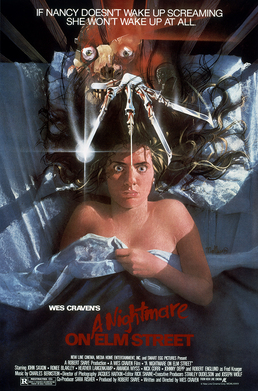
Wes Craven's A Nightmare on Elm Street emerged in 1984 as a seminal work in the horror genre, transforming how films depict the interplay between dreams and reality. The film introduces viewers to a nightmarish world where the dreamscape becomes a lethal battleground, encapsulating themes of vengeance and the hauntings of the past. With its menacing premise of Freddy Krueger, a vengeful spirit who attacks teenagers in their dreams, the film recounts a tale steeped in childhood trauma and retribution, reflecting fears that resonate deeply within contemporary societal contexts. Craven's direction is both shrewd and audacious, combining surreal visuals with a compact narrative that keeps audiences on edge.
Critically, A Nightmare on Elm Street is often lauded as a groundbreaking film that reinvigorated the slasher genre, paving the way for future horror narratives. Reviewers have noted its uncanny ability to blur the lines between the ethereal world of dreams and the harshness of reality, making for a chilling cinematic experience. Its cultural impact cannot be overstated; Freddy Krueger quickly became an iconic figure, symbolizing a collective fear that was eerily reflective of the anxieties of the 1980s. The performances, particularly that of Robert Englund as Krueger, etched themselves into the annals of horror history, combining flamboyant menace with darkly comedic undertones that set a new standard for villainy in cinema.
Themes of revenge and the cyclical nature of trauma are poignantly explored in the film, resonating with audiences both during its release and in contemporary viewings. The film’s unsettling atmosphere is matched by its more visceral elements; with artery-slashing scenes that are both disturbing and gory, it redefined the expectations of horror aficionados. Craven’s eye for detail and slick production values contributed to a film that is not only scary but becomes a psychological experience that lingers long after viewing. The juxtaposition of dream sequences with harsh reality creates a disorienting effect, a hallmark of Craven’s narrative style, enhancing the viewer's sense of dread.
In a landscape where remakes and reboots abound, A Nightmare on Elm Street stands out not only for its originality but for how it continues to inspire contemporary filmmakers. The film’s ability to be both jauntily outrageous and thoughtfully disturbing has allowed it to remain relevant in discussions about horror cinema, even decades later. It has sparked numerous sequels and adaptations, each attempting to capture the original's essence while modernizing its approach. The legend of Freddy Krueger lives on, a testament to the cultural and artistic legacy that Craven has bequeathed to the genre.
Ultimately, A Nightmare on Elm Street is more than just a horror classic; it is a reflection of fear that intertwines with the innocent yet terrifying nature of dreams. Wes Craven’s adept handling of thematic complexity alongside shocking visuals ensures that the film retains its status as a cultural touchstone. As horror continues to evolve, the film serves as a stark reminder of the genre’s capacity to provoke thought and evoke emotion through both traditional and avant-garde filmmaking techniques.