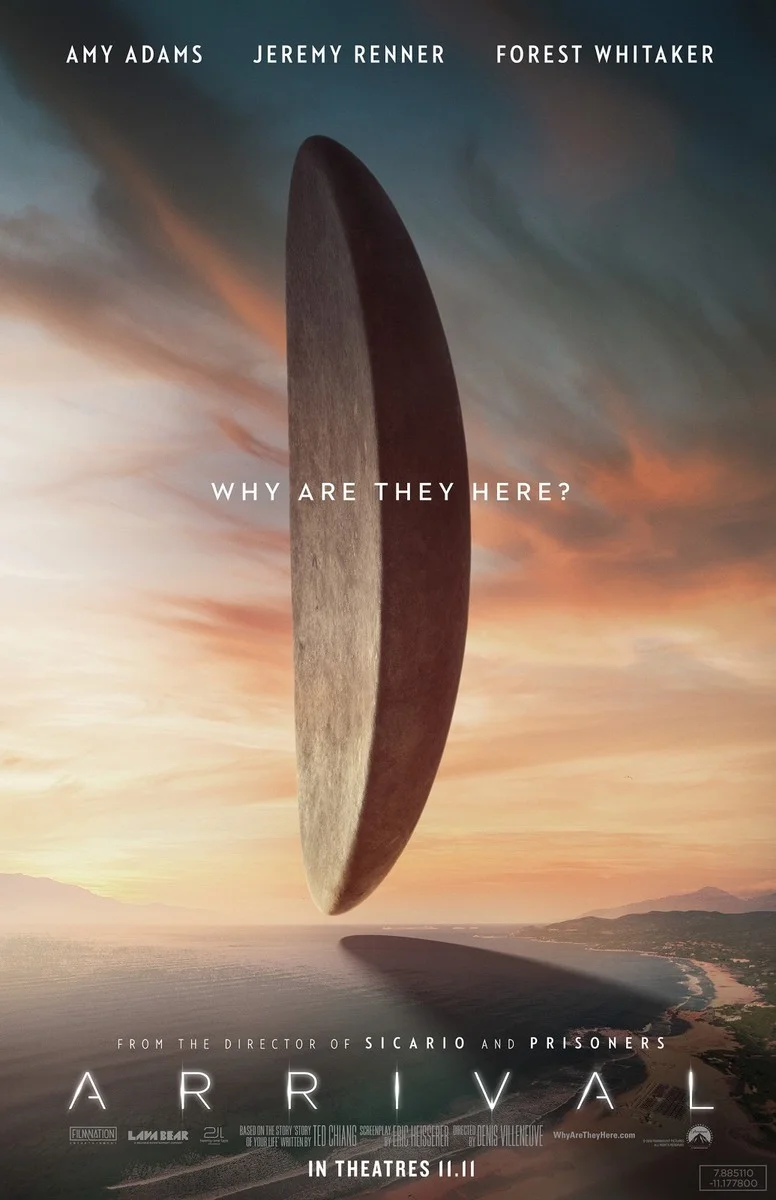
Denis Villeneuve's Arrival stands as a significant entry in the science fiction genre, marking a pivotal moment in his directorial journey. Known for his ability to explore profound themes with visual sophistication, Villeneuve continues this trend in Arrival, where he deftly combines the realms of existential inquiry and speculative storytelling. The film not only reinvigorates the age-old trope of first contact but also grounds it in deeply human experiences, particularly those of grief, communication, and the intricate tapestry of time. In a cinematic landscape increasingly cluttered with identikit sequels and superficial narratives, Arrival emerges as an ambitious work that revels in complexity and emotional depth.
Critics unanimiously recognize Arrival for its thought-provoking exploration of communication, not just with extraterrestrial beings, but between individuals grappling with personal loss. The film’s protagonist, linguist Louise Banks, navigates the treacherous waters of understanding an alien language while simultaneously confronting her own past and the grief associated with it. This dual narrative serves as a poignant metaphor for the barriers we impose in our relationships, subtly prompting viewers to reflect upon their own struggles with loss, connection, and the unknowable.
Among the film's most compelling themes is its philosophical examination of time perception. Villeneuve challenges conventional narratives by presenting time not as a linear progression, but as an intricate web, inviting audiences to question how their own temporal experiences shape their understanding of reality. This unique approach allows Arrival to transcend typical genre conventions, encouraging viewers to grapple with existential questions about human existence, the nature of language, and the potential for understanding amidst vast unknowns. The film's visual grounding enhances this exploration, employing aesthetics that oscillate between the familiar and the dreamlike, further embedding its messages in a relatable yet surreal atmosphere.
The critical consensus underscores Arrival as not only visually impressive but also emotionally resonant, a combination that can sometimes feel audacious in its complexity. Reactions to the film range from admiration for its intellectual ambition to critiques regarding its pacing and emotional weight, with some viewers finding it frustrating in its deeper philosophical inquiries. Nevertheless, the majority point to its ability to provoke discussion and introspection, a hallmark of impactful cinema.
Ultimately, Arrival elevates the discourse of alien visitation into the realm of human experience, that is, focusing less on the spectacle of extraterrestrial life and more on its implications for our understanding of ourselves. Villeneuve’s signature thematic consistency is evident, as he skillfully weaves together personal and universal narratives that compel viewers to engage with the unknown. By grounding his science fiction premise in real-world issues and intensely personal stakes, he invites an experience that is as moving as it is intellectually stimulating, securing Arrival a notable place in both his oeuvre and the broader cinematic landscape.