Career Overview
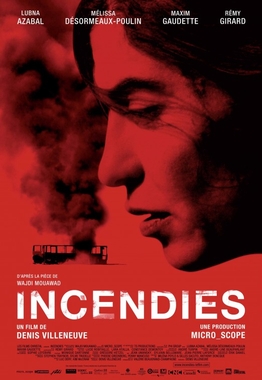
Denis Villeneuve has established himself as one of the preeminent formalists in contemporary cinema, tracing a distinct trajectory from harrowing psychological dramas to monumental science fiction epics. His ascent into the pantheon of modern auteurs began in earnest with Incendies in 2010, an acclaimed adaptation of a stage play that announced his capacity for wrestling with immense political trauma through an intimate familial lens. This early career milestone showcased his facility with complex, layered storytelling and secured his international reputation, bridging his Canadian origins with a broader global art house audience.
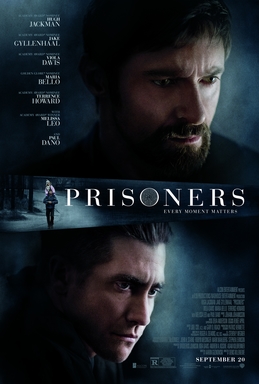
Following the critical triumph of his French language work, Villeneuve pivoted to the American studio system with Prisoners in 2013. This English language debut marked a significant evolution in his career arc, demonstrating his ability to infuse Hollywood genre conventions with rigorous auteurist sensibilities. By adopting the structure of a police procedural, Villeneuve delivered a foreboding critique of American cultural decay, positioning himself as a meticulous craftsman capable of generating relentless tension and unflinching emotional depth on a larger studio canvas.
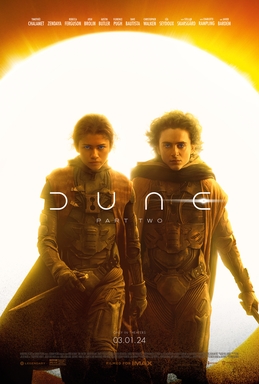
In recent years, Villeneuve has transformed his career once again, undertaking massive cinematic world building without sacrificing his signature atmospheric dread. His ambitious adaptation of Dune: Part Two in 2024 solidified his current position as a filmmaker capable of executing sweeping genre spectacles with profound artistic integrity. Today, he occupies a rare space in the cinematic landscape, balancing the aesthetic ambition of high art with the colossal scale of global blockbuster filmmaking, a synthesis that critics note is quite literally his life's work.
Thematic Preoccupations
A central philosophical preoccupation in the cinema of Denis Villeneuve is the pervasive nature of moral ambiguity and the corrosive impact of violence. Across his filmography, characters are frequently thrust into impossible ethical paradigms where the pursuit of justice bleeds seamlessly into acts of profound transgression. In Prisoners, this manifests as a grim exploration of vigilantism, as parental fear transforms a desperate father into the very monster he hunts. The narrative dismantles traditional concepts of American heroism, exposing the darkness and despair lurking beneath seemingly peaceful suburbia.
Intertwined with this exploration of morality is a deep fascination with generational trauma and the haunting power of family secrets. Villeneuve treats the past not as a passive memory but as an active, destructive force that demands a perilous journey of discovery. Incendies exemplifies this theme through a harrowing narrative where twin siblings must confront the buried atrocities of their mother Nawal's history. The quest for identity and heritage becomes a brutal excavation of truth, culminating in a personal revelation that echoes the devastating inevitability of a Greek tragedy.
Furthermore, Villeneuve consistently interrogates the sprawling machinery of conflict, scaling his thematic interests from the deeply personal to the global and interstellar. Whether examining the transgressive obscenity of civil war in Incendies or unpacking power dynamics and fanaticism within the anti-colonialist narrative of Dune: Part Two, he maps the psychological toll of warfare. His protagonists often find themselves trapped within larger systemic conflicts, forced to navigate dangerous political landscapes where survival necessitates profound moral compromise.
Stylistic Signatures
The visual language of Denis Villeneuve is defined by a chilling tension and a masterful command of atmospheric depth. His cinematic expression frequently relies on creating environments that feel simultaneously expansive and suffocating. In Prisoners, the visual approach is characterized by a bleak, rain soaked Pennsylvania landscape, utilizing precise, forensic camera movements that trap the characters in their own despair. This immaculate staging emphasizes darkness over light, creating a relentlessly gloomy tone that mirrors the psychological descent of his protagonists.
As his budgets and narrative scopes have expanded, Villeneuve has evolved his stylistic signatures to encompass shimmering, hallucinatory visuals while maintaining his rigorous formal control. Dune: Part Two showcases his ability to execute monumental epic storytelling, filling the frame with spooky grandeur and lavishly staged compositions. Despite the colossal scale of his later science fiction work, he remains committed to grounded, tactile imagery, utilizing stark landscapes and brutalist architecture to give his otherworldly settings a palpable, haunting realism.
A crucial element of his aesthetic involves the sophisticated deployment of sound design and music to heighten emotional engagement and sustain unease. From the arresting slow motion opening of Incendies set to the melancholic strains of Radiohead to the psychedelic soundscapes of his science fiction epics, Villeneuve treats audio as an equal partner to the image. This forceful aural narrative strategy enhances the pathos filled experiences of his characters, ensuring that the relentless dread on screen reverberates deeply within the audience.
Recurring Collaborators
While Villeneuve operates with a singular artistic vision, his films are deeply informed by key creative partnerships, particularly in the realm of source material adaptation. His breakthrough work, Incendies, relies heavily on the foundational text of Wajdi Mouawad's acclaimed stage play, Scorched. By collaborating closely with the thematic architecture of Mouawad's original work, Villeneuve successfully translated the theatrical rhythms of a modern Greek tragedy into a purely cinematic language, setting a robust intellectual template for his future adaptations.
In the visual department, Villeneuve's early collaborations laid the groundwork for his reputation as a master of atmosphere. His partnership with director of photography Andre Turpin on Incendies yielded the haunting, visceral imagery that defined his transition to the global stage. Turpin's evocative lensing, capturing the stark contrast between the sterile Canadian environment and the sun baked devastation of the Middle East, proved essential in realizing Villeneuve's vision of survival and trauma, proving that his cinematic expression thrives on strong cinematographic alliances.
Interestingly, while many auteurs cultivate a dedicated repertory company of actors, the critical database for Villeneuve's major transitional films highlights a director who prioritizes casting to the specific needs of the narrative over maintaining a strict recurring ensemble. Works like Prisoners and Incendies demonstrate his ability to extract career defining performances from diverse casts, relying on talents like Lubna Azabal to anchor his heavy emotional stakes. His focus remains steadfastly on the characters themselves, utilizing distinct actors to ground his heady themes and ambitious cinematic spectacles.
Critical Standing
The critical reputation of Denis Villeneuve has undergone a fascinating evolution, shifting from the celebrated darling of international art house cinema to the preeminent architect of the thinking person's blockbuster. Early critical assessments of Incendies positioned him as a muscular, emotional filmmaker of the highest order, praising his forceful narrative approach. Critics noted his unique capacity to address the transgressive themes of modern warfare without slipping into exploitation, viewing the film as a staggering modern tragedy that elevated him into the top tier of contemporary world cinema.
With his entry into American cinema, his standing shifted to that of a premier genre formalist, frequently compared to the exacting crime thrillers of David Fincher, evoking the atmospheric dread of films like Seven and Zodiac. Prisoners elicited a robust critical dialogue regarding its unrelenting bleakness and forensic exploration of crime. While widely praised by outlets like the Los Angeles Times for its chilling grip on the viewer, it also provoked pushback from more skeptical critics. Publications such as Slant Magazine critiqued the film's reliance on red herrings, acknowledging its immaculate visual construction while questioning the underlying narrative substance.
Today, Villeneuve occupies an elite echelon of directors celebrated for executing grand spectacle with uncompromising artistic vision. Reviews of Dune: Part Two frequently invoke the cinematic legacy of David Lean, George Lucas, and Ridley Scott, recognizing his monumental adaptations as essential modern milestones. Critics marvel at the chutzpah required to mount such a sprawling science fiction epic, consistently validating his output as a rare triumph where massive commercial scale meets heady artistry. He stands as a definitive modern auteur who has successfully bridged the gap between intimate psychological dread and intergalactic world building.