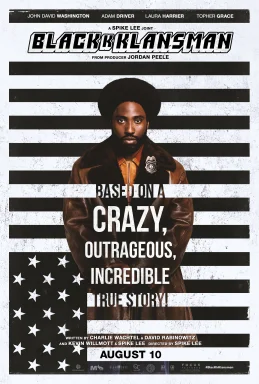
Directed by Spike Lee, BlacKkKlansman finds itself situated within both the formidable lineage of American cinema and the impactful body of Lee's work. This film serves as a return to form for the celebrated director, who has long explored themes of racial tension and social justice through his unique lens. By leveraging the true story of Ron Stallworth, the first African American detective in Colorado Springs, Lee shines a light on the absurdity and danger of racism, while weaving satire into a deeply relevant narrative designed to resonate in the current social climate. As America navigates the complexities of race relations, BlacKkKlansman emerges as a blistering critique that reflects our ongoing struggles and fears.
Critics have largely reached a consensus regarding the film's thematic core, highlighting its adept handling of deception and infiltration as Stallworth, portrayed by John David Washington, impersonates a white supremacist to infiltrate the Ku Klux Klan. This undercurrent of absurdity is expertly balanced with moments of hilarious satire, drawing attention to the ludicrous nature of racist ideologies. Lee's direction is stylish and slick, employing visual flair and sharp dialogue to keep the audience engaged, while simultaneously provoking thought about the impact of racism and the role of cinema in addressing social issues.
A multitude of reviews have praised BlacKkKlansman for its effectiveness in galvanizing discussions on race, particularly in the context of a nation grappling with a resurgence of overt racism in the Trump era. The film's potent blend of humor and grim reality underscores a landscape that is as dangerous as it is absurd. Lee's unapologetic approach savages both the Klan and contemporary complicity in racism, proving to be an incisive exploration of the state of race relations in America. This boldness has resulted in varied reactions, showcasing the controversy that often accompanies Lee's work, which is both expected and necessary in a discourse that demands such fervor.
The film's narrative arc moves effectively from humor to desolation, crafting a multifaceted picture that reflects the complexities of identity and race. The inclusion of cameos and historical references grounds the narrative in reality, while also connecting it to broader cultural currents, making BlacKkKlansman a significant entry in the timeline of socially conscious cinema. Critics laud this work as perhaps some of Lee's best, and one that encapsulates both the urgency of its message and the artistry of its execution.
Ultimately, BlacKkKlansman stands as a compelling and unforgettable statement in Lee's illustrious career, a film that is as much about personal courage as it is about societal change. It invites audiences to confront uncomfortable truths while also reveling in its own absurdities. Through a combination of solid performances, sharp wit, and a searing examination of racism, Lee delivers a film that is not only a testament to his directorial prowess but also a necessary commentary on the racial landscape of America today.