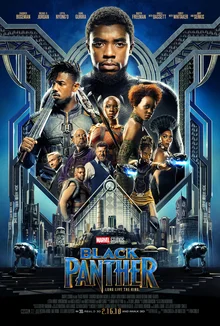
In a cinematic landscape often dominated by conventional superhero narratives, Black Panther emerges as a groundbreaking entry that not only redefines the genre but also serves as a poignant exploration of identity, leadership, family, and social justice. Directed by Ryan Coogler, known for his ability to weave complex emotional narratives with his films such as Fruitvale Station and Creed, Black Panther is steeped in Afrofuturism, presenting a vivid portrayal of an advanced, fictional African nation, Wakanda, that challenges stereotypes while celebrating African culture. Its release in 2018 marked a significant moment in Hollywood, providing a platform for black storytelling that resonates both culturally and politically.
Critically, Black Panther has been celebrated for its visually stunning aesthetics and thematically rich narrative. The film does not merely present Wakanda as a utopia; it uses its futuristic, technologically advanced setting to delve deep into issues of identity and belonging, particularly within the African diaspora. Characters such as T’Challa, Erik Killmonger, and Nakia grapple with their connections to family and heritage, ultimately raising questions about what it means to be a leader. The nuanced portrayals allow viewers to reflect on not just Wakanda's royal dynamics but also broader themes of responsibility and legacy in the face of social justice.
The interactions between T’Challa and Killmonger serve as a microcosm of larger global conflicts, illustrating the struggle between differing visions of leadership, one that seeks isolation and preservation, versus one yearning for global outreach and equality. This dichotomy resonates deeply with contemporary discussions around social justice, making the film a reflective commentary on our world amidst political unrest and inequality. Coogler’s deft storytelling allows these complex issues to surface in an engaging manner, promoting dialogue and introspection among audiences.
Moreover, the film's cultural significance cannot be overstated, as it breaks barriers within the superhero genre and highlights the importance of representation. Black Panther showcases a predominantly black cast, a rarity in Hollywood, and does so with dignity and depth. The film emphasizes familial bonds and community, highlighting how these relationships shape individual identities and destinies. With its rich narrative layered over breathtaking visuals and a powerful score, the film creates an emotionally resonant experience that lingers long after the credits roll.
In summary, Black Panther stands as a watershed moment in cinema history, inviting not only admiration for its artistry but also prompting critical thinking about identity, leadership, and the responsibilities of power. Coogler's vision expertly marries entertainment with a profound cultural message, leaving an indelible mark on both the superhero genre and the broader cultural landscape. In doing so, it challenges audiences to reflect on their own identities and societal roles, ensuring that Black Panther will be remembered as a culturally significant milestone for years to come.