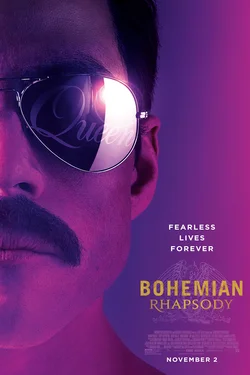
In the realm of modern cinema, Bohemian Rhapsody, directed by Bryan Singer, emerges as a biopic that has generated both admiration and critique. With its ambitious portrayal of rock legend Freddie Mercury and the iconic band Queen, the film aims to blend artistic expression with the complexity of sexual identity. Despite its grand musical homage and the thrilling performances that echo Mercury's undeniable charisma, many critics perceive the film as a superficial interpretation, often airbrushed and reductive in its narrative.
This film represents a significant entry within the biopic genre, following in the footsteps of similar projects that seek to immortalize musical icons. However, Bohemian Rhapsody tends to adhere to cautious storytelling conventions, prioritizing a crowd-pleasing format over a deep dive into its subject’s more controversial aspects, thus resulting in a narrative that feels both safe and systematic. Critics have noted that this cautious approach detracts from the edginess that Mercury’s life embodied, often yielding a bland portrayal that shies away from the discord that marked his personal struggles and relationships.
While the film is bolstered by excellent performances, particularly Rami Malek's portrayal of Mercury, it often falls into the trap of being a covers band of a true biopic. It captures the magic of Queen's music but lacks the depth to truly explore the complexities of Mercury’s identity. This leaves the audience with an exciting journey through Queen's music without thoroughly addressing the more intimate and often phobic challenges Mercury faced in his life. The film's musical sequences dazzle, yet they feel like a frantic collage, sprawling across the timeline of Mercury's life without a coherent narrative flow.
The critical consensus surrounding Bohemian Rhapsody reflects this tension between entertainment and authenticity. While many praise the film for its electrifying concert renditions and heartfelt moments, others argue that it remains jumbled and glossy, prioritizing spectacle over substance. The film’s charitable lens tends to sanitize the rock-star life, positioning it as a safe retreat into nostalgia without risking the discomfort that true analysis might provoke.
Ultimately, Bohemian Rhapsody serves as a testament to Queen's musical legacy but illustrates the struggles inherent in biopic conventions. In trying to balance artistic homage with the intricacies of a complex human being, the film sometimes erases the very edges that made Mercury both fascinating and relatable. While it successfully entertains, it simultaneously invites questions about the narratives we choose to celebrate in the annals of cinematic history, an exploration of how far artistic expression can go when tethered to the biopic format.