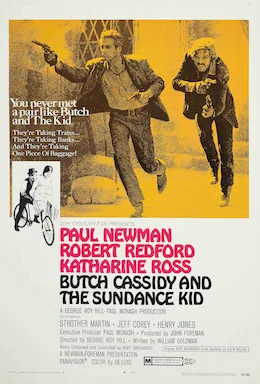
In the realm of classic cinema, Butch Cassidy and the Sundance Kid stands out not only as a quintessential Western but also as a poignant reflection of the changing landscape of American culture during the late 1960s. Directed by George Roy Hill, the film seamlessly blends humor with action, presenting a duo of charming outlaws whose camaraderie resonates with audiences. This film marks a defining moment in Hill's career, showcasing his ability to craft engaging narratives that capture the complexity of human relationships against the backdrop of a rapidly evolving society. As the country grappled with social upheaval, the escapism offered by the film became a source of connection for many viewers seeking solace in nostalgia.
Central to the critical consensus surrounding Butch Cassidy and the Sundance Kid are its themes of outlaw camaraderie and the pleasure derived from pursuit and escape. The chemistry between Paul Newman and Robert Redford is palpable, drawing viewers into the bold, irreverent world they inhabit. This dynamic portrayal of friendship amid chaos presents the duo as charming antiheroes navigating a world on the brink of transformation. Critics have noted how the film's irreverent take on the Western genre challenges conventional portrayals, replacing stoicism with laughter and warmth, thereby making space for a fresh exploration of themes like loyalty and resilience.
Furthermore, the film poignantly encapsulates the end of an era not only for its characters but also for the Western genre itself. As the 19th century outlaw mythos begins to fade, Butch Cassidy and the Sundance Kid serves as an elegy, celebrating a way of life that was quickly becoming obsolete. Hill's film presents a crucial moment in cinematic history where Westerns began to reflect contemporary issues rather than solely romanticize the frontier. The film effectively balances this sense of nostalgia with a recognition of inevitability, allowing audiences to cherish the past while acknowledging its inexorable passage.
The reception of the film has only grown over the decades, as viewers connect with its universal themes and relatable characters. Upon its release, audiences found comfort and delight in the witty banter and breathtaking cinematography, which captured the vast landscapes synonymous with Westerns. The film has remained relevant, not only for its engaging storyline but also for its ability to resonate with modern sensibilities. Today, Butch Cassidy and the Sundance Kid continues to be celebrated for revolutionizing the Western genre, merging entertainment with deeper emotional insights.
In conclusion, Butch Cassidy and the Sundance Kid is much more than a mere Western; it is a film that captures the essence of friendship, the thrill of escape, and the bittersweet farewell to a legendary era. Hill's ability to fuse irreverence with poignancy creates a rich narrative tapestry that lingers in the minds of audiences long after the credits roll. At the intersection of comedy and tragedy, this film remains a monumental work in the canon of American cinema, reflecting the timeless quest for connection amid a changing world.