Career Overview
George Roy Hill occupies a fascinating position in American cinema history, representing the bridge between the classical Hollywood studio system and the auteur driven New Hollywood of the 1970s. Born into a privileged background and educated at Yale, Hill developed an early affinity for music and theater. His transition from stage and live television directing into feature filmmaking allowed him to cultivate a unique voice that prized both narrative efficiency and immense commercial appeal. Unlike many of his contemporaries who embraced gritty realism, Hill favored highly stylized, entertaining narratives that never sacrificed cinematic rigor. His directorial trajectory reflects a meticulous craftsman who understood the alchemy of audience engagement. While his early filmography established his competence, it was his work in the late 1960s and 1970s that cemented his legacy. By the time he directed The Sting in 1973, Hill had perfected his formula of matching charismatic stars with complex, character driven narratives. He became one of the few directors in history to helm multiple films that broke box office records while simultaneously garnering immense critical acclaim and Academy Award recognition. Today, Hill is often remembered as a master of the intelligent blockbuster. His ability to marshal stylish production quality and coordinate massive logistical undertakings without losing sight of intimate character dynamics places him in a rarefied echelon of American directors. While his name might not evoke the immediate auteurist reverence afforded to some of his rebellious 1970s peers, his foundational contributions to the modern cinematic language of the buddy comedy and the caper film remain undeniable.
Thematic Preoccupations
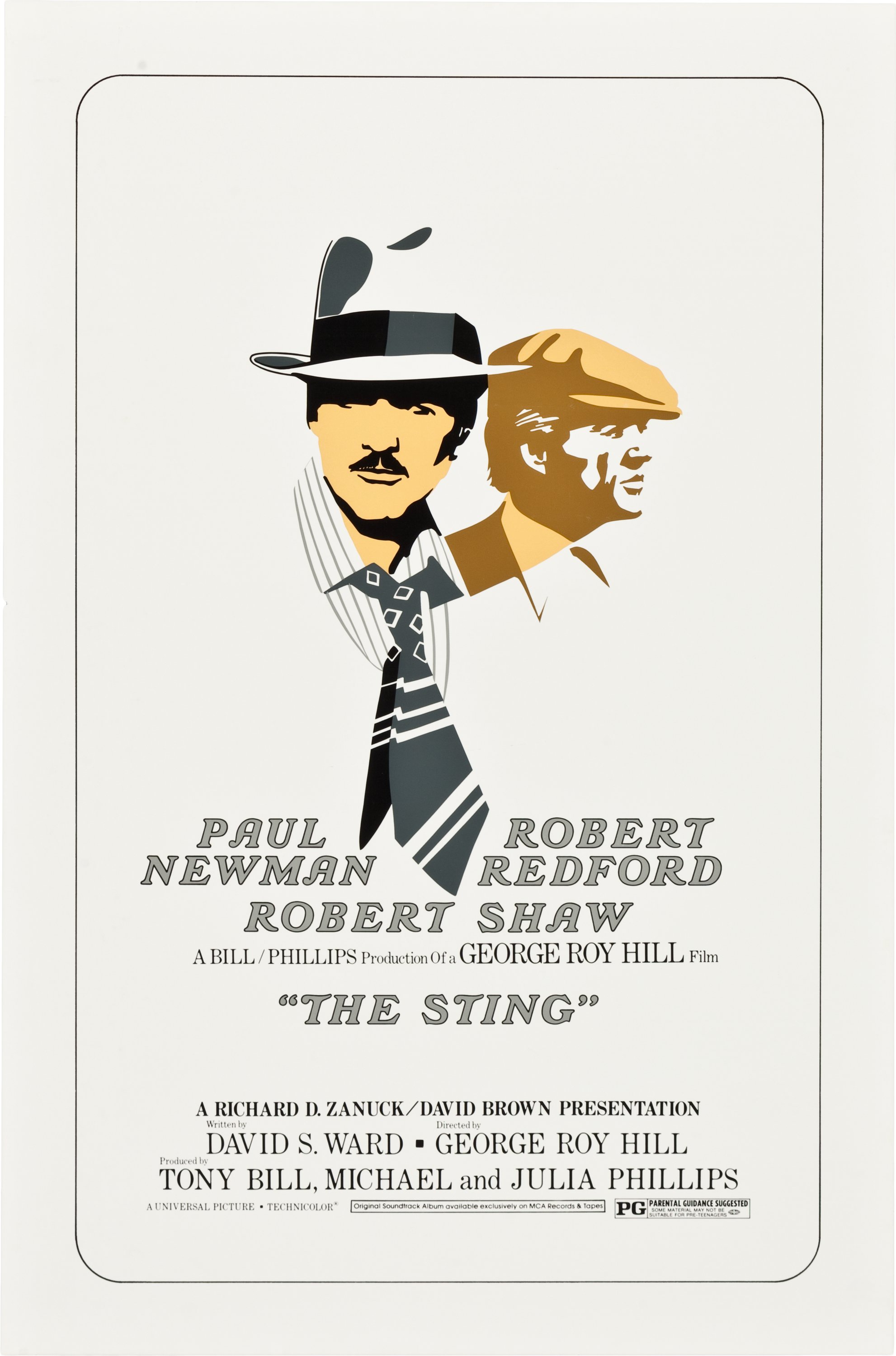
At the core of Hill's filmography is a profound fascination with con artistry and the mechanics of deception. He consistently explores the intricate webs woven by individuals operating outside the traditional bounds of law and order. In The Sting, this preoccupation with grifters and marks is not merely a plot device but a philosophical inquiry into the nature of trust, loyalty, and constructed realities. His protagonists often exist in morally ambiguous spaces where traditional ethics are suspended in favor of a personal code of honor among thieves. The intersection of humor and crime is another defining thematic pillar across his major works. Hill masterfully navigates the tonal tightrope between high stakes criminality and lighthearted camaraderie. He routinely strips away the grim fatalism typically associated with the crime genre, injecting it instead with a buoyant, almost theatrical sense of play. The morality in his crime narratives is rarely absolute. Instead, his films ask audiences to side with the charming transgressors, challenging conventional moral binaries and inviting viewers to become complicit in the very deceptions playing out on screen. Furthermore, Hill obsesses over male friendship and the dynamics of mentorship within insular professional environments. The relationships at the center of his films rely on an unspoken understanding and a shared dedication to their illicit craft. These bonds are tested and solidified through complex plots that require absolute mutual reliance. By framing these relationships against vivid historical backdrops like 1930s Chicago, Hill emphasizes how human connection endures even within corrupt or decaying societal structures.
Stylistic Signatures
Hill is celebrated for his economical storytelling and highly disciplined visual language. Critics have frequently noted his oblique approach to framing and composition. Rather than statically positioning his actors and recording the action, Hill employs a dynamic camera that seems to sneak up on the narrative, granting the audience an intimate, almost voyeuristic perspective on the unfolding deception. This visual strategy draws heavily on the influence of directors like Jacques Tati and Robert Altman, blending meticulous spatial choreography with a sense of observed, overlapping reality. His structural approach often favors an episodic narrative rhythm, breaking complex plots into digestible, clearly defined chapters. In The Sting, Hill weaves the disparate components of an elaborate con into a beautifully layered web, ensuring the audience remains hooked even as the narrative geometry becomes increasingly intricate. This episodic structure never hinders the momentum. Instead, it allows Hill to rattle swiftly from one scene to another, propelled by snappy dialogue and precise editorial pacing. The result is a seamless flow of action that masks the underlying complexity of the screenplay. Stylistic flourishes and impeccable production quality further define Hill's cinematic universe. He pays obsessive attention to period detail, utilizing costumes, sets, and musical motifs to create immersive, self contained worlds. The 1930s Chicago setting of his most famous caper is rendered with a stylized polish that eschews documentary realism in favor of a heightened, almost mythical atmosphere. Whether orchestrating a tense poker game or a sprawling street chase, Hill maintains a consistent tonal elegance, ensuring that every visual and auditory element serves the overarching machinery of the plot.
Recurring Collaborators
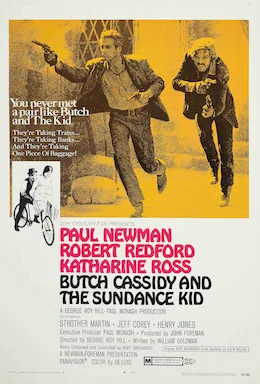
The cinematic triumphs of George Roy Hill are inextricably linked to his legendary collaborations with charismatic leading men, most notably the iconic pairing of Paul Newman and Robert Redford. Hill recognized the incandescent chemistry between the two actors, harnessing Redford's youthful, energetic swagger as the ambitious young buck and pairing it perfectly with Newman's weathered, wily gravitas. This central partnership provided the emotional and comedic anchor for his most successful ventures, defining the modern buddy dynamic for generations of filmmakers and drawing frequent structural comparisons to their earlier outing in Butch Cassidy and the Sundance Kid. Beyond his leading men, Hill frequently relied on robust supporting casts to flesh out his intricate, character driven narratives. Actors like Robert Shaw brought a necessary weight and menace to the antagonist roles, serving as the perfect foil to the breezy charm of the protagonists. Hill's ability to direct a sprawling ensemble ensured that even minor characters felt lived in and crucial to the elaborate narrative machinery. His casts were always game, populated by veteran character actors who understood the precise tonal requirements of a Hill picture. Behind the camera, Hill cultivated vital partnerships with writers and technical craftspeople who shared his vision for stylish, economical storytelling. His collaboration with screenwriter David S. Ward on The Sting exemplifies this synergy, translating complex, layered plot mechanics into an accessible, tightly paced cinematic blueprint. These creative alliances allowed Hill to execute his ambitious structural concepts flawlessly, resulting in films that felt both meticulously planned and effortlessly spontaneous.
Critical Standing
Throughout his career, George Roy Hill maintained a fascinating relationship with the critical establishment. Upon the release of his major works in the early 1970s, he was widely celebrated as a consummate entertainer and a masterful technician. Prominent voices championed his oblique visual style and his ability to deliver some of the most stylish movies of the era. Critics lauded his true economy of storytelling and his structural ingenuity, recognizing that his massive commercial success was built upon a foundation of rigorous, sophisticated craftsmanship. In the decades following his peak output, Hill's critical reputation has occasionally fluctuated, often as a result of shifting academic trends that favor gritty, self reflexive auteurs over polished entertainers. However, his standing as a master of the caper genre remains unassailable. Modern retrospectives frequently highlight how well his genuine cinematic achievements hold up, especially when contrasted with poorly executed, unimaginative derivatives and stage adaptations that lack his distinct directorial verve. The clunky execution and underdeveloped characters of such adaptations only underscore the delicate narrative balance and precise pacing that Hill achieved so effortlessly on screen. Today, Hill is firmly positioned as a giant of classical Hollywood entertainment operating within the New Hollywood era. He is revered by film students and cinephiles for his seamless integration of complex plots, charismatic performances, and flawless production design. While he may have eschewed the overt political radicalism of some contemporaries, critical consensus now acknowledges that his films offer deeply layered, morally ambiguous explorations of American mythology, all wrapped in flawlessly constructed, wildly entertaining packages.