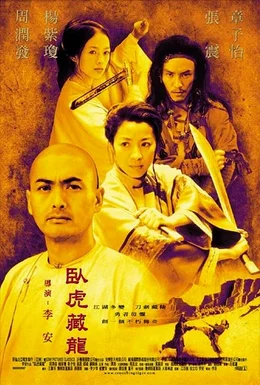
In the landscape of modern cinema, Ang Lee's Crouching Tiger, Hidden Dragon stands as a monumental achievement that redefined the martial arts genre while infusing it with deep emotional resonance. Released in 2000, this film not only captivated audiences globally but also garnered immense critical acclaim, becoming a hallmark of cross-cultural storytelling. Lee, known for his versatility across genres, showcased his ability to blend action with poignant narratives, setting Crouching Tiger, Hidden Dragon apart from typical action fare. The film emerged as a critical pivot point in cinematic history, merging Western and Eastern elements and bringing the intricacies of 19th-century China into the spotlight, thereby appealing to a diverse audience in search of authentic experiences on screen.
The film explores themes of love, honor, and the tumultuous journey of self-discovery against a backdrop of breathtaking martial arts choreography. The intertwining romances add layers of complexity, showcasing the delicate balance between personal desires and societal expectations. The narrative follows the intertwined lives of characters such as Li Mu Bai and Yu Shu Lien, whose love remains unfulfilled in the face of duty and honor. These relationships are rendered with both grace and heartbreak, highlighting the cultural constraints that inform their decisions. Critics consistently laud Crouching Tiger, Hidden Dragon for its exquisite cinematography and intricate fight sequences, which feel almost magical, evoking a sense of mystical realism that defines the film's aesthetic.
The film’s choreography is a synthesis of elegance and physical prowess that transcends mere action, reinforcing the emotional stakes that underpin the narrative. Each battle is carefully constructed, allowing martial arts to serve as both an expressive art form and a means of character development. The way Lee intertwines these elements illustrates the characters’ inner struggles, imbuing the visuals with deeper significance. Critics have recognized the film as a pioneering work that elevated martial arts cinema, positioning it as an art form worthy of critical acclaim and recognition beyond genre conventions.
Despite the accolades and its role in the resurgence of interest in martial arts films, Crouching Tiger, Hidden Dragon also faced criticism for potentially lacking the raw action appeal that some traditional fans expected. Notably, it received numerous accolades, including several Academy Awards, affirming its status as both a critical darling and a cultural touchstone. However, the very aspects that critics celebrated, the film's emotional depth and stylistic flourishes, could be perceived as a divergence from the expectations set by earlier, highly stylized action films.
The film's impact extends beyond its initial release, paving the way for its sequel, Crouching Tiger, Hidden Dragon: Sword of Destiny, which further explores its themes but failed to resonate with audiences in quite the same way. This legacy underlines the original's uniqueness and the complex interplay between cultural authenticity and cinematic innovation. As audiences continue to explore Crouching Tiger, Hidden Dragon, it remains an exquisite testament to Ang Lee’s mastery in crafting stories that are both visually stunning and deeply human, reinforcing the film's place in the annals of cinematic history. Through its unyielding quest for love and honor, it speaks to the universal human experience, making it relevant across time and geography.