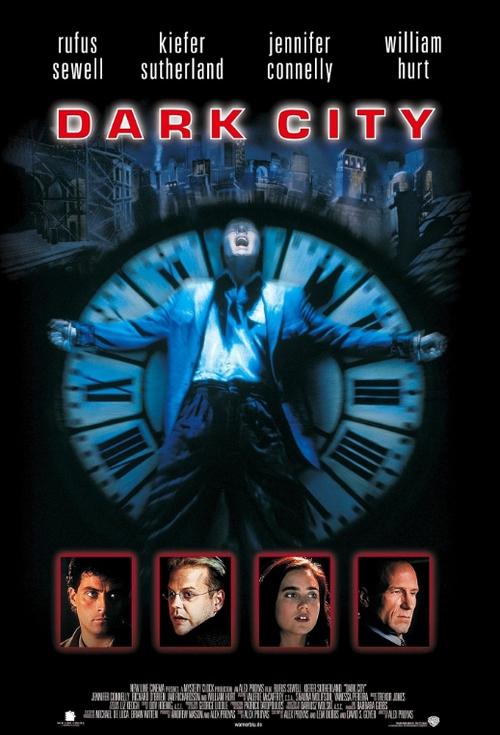
Dark City, directed by Alex Proyas, stands as a remarkable example of late 20th-century science fiction that intricately interweaves themes of identity and memory. Released in 1998, the film emerged at a time when Hollywood was increasingly investing in innovative narratives and visuals, paving the way for a renewed interest in the genre. Proyas, coming off the success of his earlier film The Crow, utilized his distinctive visual style to craft a narrative that is not only a mystery but also a philosophical exploration of what it means to be human in a world where reality can be manufactured and memories can be manipulated.
Critics have consistently noted the film’s rich thematic depth centered around the existential dread faced by its protagonist, John Murdoch. As Murdoch unravels the dark secrets of the city he inhabits, an ever-shifting, noir-inspired urban landscape, audiences are invited to contemplate the very fabric of their identities. This exploration of selfhood is paired with a profound sense of isolation, as the characters navigate a disorienting world where trust is scarce and every interaction feels distorted by the overarching control of the sinister Strangers. The critical consensus celebrates Proyas’s vision, highlighting how Dark City challenges viewers to grapple with the implications of memory, identity, and the nature of reality.
Visually, the film is a tour de force, drawing heavily from classic film noir while embedding futuristic elements that create a unique atmosphere. The striking cinematography envelops viewers in a gloomy, poetic narrative that feels both timeless and ahead of its time. Proyas's meticulous attention to visual storytelling complements the film’s tone, producing a striking aesthetic that enhances its existential themes. This combination of noir and sci-fi, rich in shadowy visuals and contemplative moments, offers an inventive approach that feels both original and resonant.
While the film's complexity and ambition have earned it a lasting place in cinematic discussions, some critiques have pointed to its intricate layers as occasionally distracting. Yet these criticisms do little to overshadow its significance. Dark City has found a loyal cult following, revered for its innovative storytelling and the haunting atmosphere that Proyas conjures. In an era saturated with formulaic blockbusters, Dark City stands apart, a magnificent and resounding reminder of the power of cinema to delve into the philosophical depths of human existence.
In the broader context of Proyas’s oeuvre and the science fiction genre, Dark City continues to be a reference point for discussions about the intersection of technology and identity. As films increasingly explore similar themes, the legacy of this film remains influential, encouraging filmmakers and audiences alike to ponder the nature of reality and the complexities of human experience. Ultimately, Dark City is not merely a film but a daring exploration of the very essence of what it means to be alive, leaving a lasting impact that endures in the collective consciousness of its viewers.