Career Overview
Alex Proyas emerged in the 1990s as a vital architect of dark, visually driven genre cinema. Transitioning from a background in music videos, he brought a highly stylized aesthetic to feature filmmaking. His early career is defined by a unique synthesis of high concept science fiction and gothic fantasy, carving out a distinct space in late twentieth century cinema. Critics frequently recognize his ability to blend kinetic energy with profound existential melancholy.
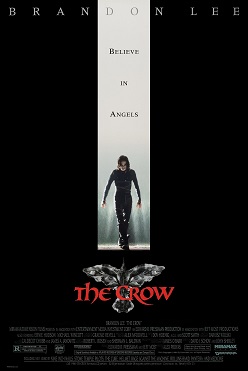
His breakthrough arrived with The Crow in 1994. The production was permanently altered by the tragic on set death of star Brandon Lee, an event that inextricably linked the film to real world sorrow. Despite this immense tragedy, the final picture became a cultural touchstone. It proved Proyas could handle extraordinarily dark material, successfully balancing violent, kinetic action with profound meditations on grief and justice.
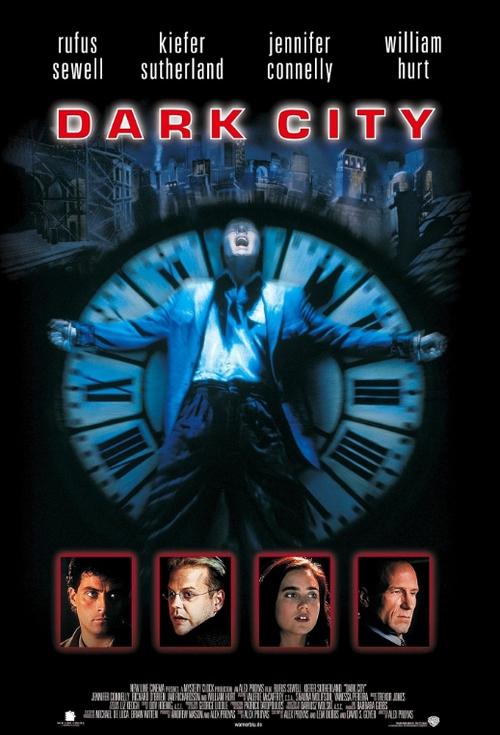
Proyas followed this success with Dark City in 1998. The film stands as a visionary achievement that cemented his reputation as a master of atmospheric world building. By exploring artificial realities and memory manipulation, the picture predated massive cinematic shifts that would define the subsequent decade of science fiction. Critics frequently position his work from this era alongside that of early Ridley Scott or Terry Gilliam, noting his capacity for creating meticulous, lasting imagery.
Today, his foundational films retain a formidable legacy within film history. While his overall filmography may not be vast in quantity, his reputation rests securely on these influential early masterworks. He is remembered as a director who crafted incredibly tactile, moody environments that continue to serve as blueprints for modern dark fantasy and speculative fiction.
Thematic Preoccupations
The fragility of identity and the unreliability of memory stand as the central philosophical concerns of his most acclaimed work. In Dark City, protagonists grapple with existential dread as they navigate shifting realities. The narrative strips characters of their authentic pasts, forcing them to question what remains of the human soul when memories are entirely manufactured. This intense identity exploration creates a pervasive sense of dislocation that anchors the science fiction elements in genuine psychological horror.
Intertwined with this existential questioning is an ongoing exploration of grief, revenge, and justice. The Crow tackles these emotions through a distinctly gothic framework. The resurrection motif operates not merely as a supernatural plot device but as a vehicle to externalize unending sorrow. The pursuit of violent retribution shares thematic DNA with classic vigilante narratives and death wish themes, yet Proyas always grounds the violence in tragic undertones and deep human trauma.
Furthermore, his narratives frequently pit isolated individuals against oppressive, omnipotent systems. Whether his protagonists are facing an alien syndicate manipulating urban reality or a network of criminals terrorizing a decaying metropolis, they are universally framed as alienated seekers of truth. They must decode the hostile architecture of their worlds to reclaim their agency, fighting against a manufactured storytelling reality that seeks to control their fates.
Ultimately, existential dread functions as an ambient, inescapable force in his cinema. His characters exist in perpetual night, both literally and metaphorically. The gloomy atmospheres and dark narratives reflect a broader obsession with mortality, the persistence of love beyond death, and the desperate search for meaning in a universe governed by cruel, unseen forces.
Stylistic Signatures
A meticulous approach to visual storytelling serves as the defining hallmark of his directorial style. Critics routinely highlight the dark and poetic power of his compositions, often comparing his visionary creative direction to the atmospheric mastery of Ridley Scott. He constructs immersive, gloomy environments characterized by careful attention to production design and a distinctly grungy aesthetic that feels both futuristic and ancient.
He excels at evolving the visual language of classic film noir, seamlessly integrating its shadowy vocabulary into science fiction and fantasy. Dark City heavily utilizes the deep shadows, high contrast lighting, and oppressive urban landscapes typical of noir undertones. He elevates these traditional elements with a retro futuristic aesthetic, creating vast, shifting cities that consciously reference cinematic milestones like Metropolis and Blade Runner.
His kinetic editing rhythms and dynamic camera movements betray a deep understanding of modern visual pacing. Early critics noted an MTV style in The Crow, where rapid, highly stylized sequences of violence are juxtaposed with brooding, melancholic pauses. This moody storytelling rhythm creates an atmosphere that is simultaneously aggressive, exciting, and romantically tragic, perfectly suited to his angsty protagonists.
The setting itself frequently functions as a primary character. His detailed production design relies on towering, gothic architecture and perpetual darkness to physically manifest the internal turmoil of his heroes. By drenching each shot in a specific, stylized mood, he achieves a lasting visual impact that transcends the immediate narrative mechanics, ensuring his worlds feel deeply lived in despite their fantastical premises.
Recurring Collaborators
While the available data does not highlight a recurring ensemble of on screen actors across his key films, his collaborative strength is highly evident in his partnerships with behind the scenes artisans. The creation of such meticulously designed cinematic universes requires deep alignment with production designers, cinematographers, and visual effects supervisors. These technical alliances allow him to realize his highly specific, moody storytelling and complex visual effects.
His casting choices for pivotal roles demand actors capable of projecting intense internal anguish through highly stylized exteriors. The collaboration with Brandon Lee in The Crow remains a defining moment in his career. Lee delivered a ferociously tragic performance, anchoring the gothic atmosphere with genuine emotional weight. Critics widely agree that the enduring success of the film rests heavily on this singular, deeply committed performance.
Similarly, the ensemble of Dark City was carefully selected to navigate a complex, highly artificial narrative landscape. The cast had to adopt a slightly detached, alienated register perfectly suited to a world where human experiences are artificially implanted. This specialized approach to performance highlights a director who uses actors as vital components of his broader visual and thematic tapestry, blending their humanity with his manufactured environments.
Beyond traditional collaborations, critics frequently observe that Proyas engages in a cinematic dialogue with legendary predecessors. By openly drawing upon the visual legacy of Blade Runner and the thematic ambition of 2001: A Space Odyssey, he effectively treats the history of cinema as a collaborative resource. This intertextual approach enriches his unique stylistic signatures and grounds his fantastical worlds in recognized cinematic traditions.
Critical Standing
Alex Proyas occupies a highly respected, somewhat mythic position within genre criticism. He is widely celebrated as a visionary director whose aesthetic innovations successfully anticipated major cultural phenomena. The Crow is frequently analyzed as a crucial, low fidelity forerunner to slicker digital blockbusters of the subsequent decade, with many critics pointing out clear Batman influences and early references to what would become the visual language of The Matrix. His ability to blend stylish action with gothic brooding earned him an immediate, passionate cult following.
The critical reception of Dark City represents the undeniable peak of his prestige among cinephiles. Esteemed critics like Roger Ebert championed the picture, declaring it a magnificent achievement comparable to the most important works of early speculative fiction. Reviewers consistently praise the film for its original, exciting narrative and its profound influence on the evolution of cinematic science fiction, noting its unique, inventive approach to adaptation of classics and genre tropes.
The discourse surrounding his filmography is not entirely without friction. Some critical assessments point to overwrought narratives or suggest that his meticulous production design occasionally distracts from character development. A few reviewers have noted that his reliance on heavily stylized aesthetics can border on manufactured storytelling, occasionally prioritizing overwhelming visual impact over narrative subtlety.
Nevertheless, his reputation as a master of dark, atmospheric cinema remains exceptionally secure. The lasting power of his most famous films ensures his permanent place in critical discussions regarding world building and visual storytelling. As contemporary audiences continue to dissect the evolution of late twentieth century genre film, his pioneering contributions are continually recognized for their poetic power and visionary genius.