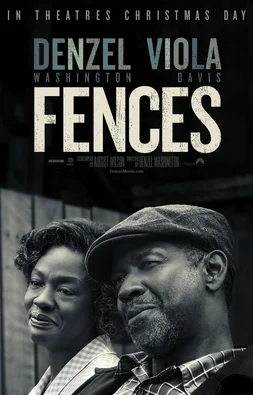
Denzel Washington's Fences emerges as a significant entry in the pantheon of contemporary cinema, particularly as an extension of Washington's artistic journey following his previous acclaimed works. Adapted from August Wilson's Pulitzer Prize-winning play, the film presents a raw and intimate glimpse into the life of Troy Maxson, a former baseball player turned garbage collector in 1950s Pittsburgh. As Washington steps behind the camera to direct, his vision breathes new life into Wilson's rich dialogue and complex characters, deepening the film's emotional resonance. Fences stands as a poignant exploration of the struggles faced by African American families, making it a vital piece of both cultural commentary and cinematic legacy.
Critical consensus around Fences highlights the film's ability to weave together themes of legacy, sacrifice, and the intricate dynamics of father-son relationships. At its core is Troy Maxson, portrayed with raw charisma by Washington, whose personal dreams and bitter disappointments shape his interactions with his family. The emotional weight of the film emerges through Troy's complex relationships, especially with his son Cory, who yearns to break free from the constraints imposed by his father's own unfulfilled aspirations. This powerful dynamic serves as a crucial lens for examining how dreams collide with familial expectations, ultimately shedding light on the struggle for identity and fulfillment within a constrained social framework.
The familial themes extend to the portrayal of gender dynamics, particularly through the character of Rose, brilliantly rendered by Viola Davis. Her performance captures the essence of emotional resilience, exploring the sacrifices women make in maintaining familial stability while grappling with their own desires and dreams. As Troy's anchor, Rose represents both strength and vulnerability, embodying the sacrifices that often go unnoticed in the pursuit of a cohesive family unit. The film's treatment of these dynamics is heartfelt, offering a nuanced perspective on the roles individuals play within their families and how these roles evolve, or remain stunted, over generations.
Ultimately, Fences serves as a powerful meditation on betrayal, resilience, and the legacies we leave behind. The film’s intimate setting and pointed dialogue invite viewers to reflect on their own familial ties and the intricate ways in which we shape and are shaped by those closest to us. It resonates deeply, not just as a personal narrative but as a broader commentary on the African American experience, framed within the relentless wheel of history and the cyclical nature of dreams and despair. Washington’s direction, coupled with the gripping performances, positions Fences as an essential chapter in both his oeuvre and the ongoing dialogue surrounding race, family, and identity in American cinema.