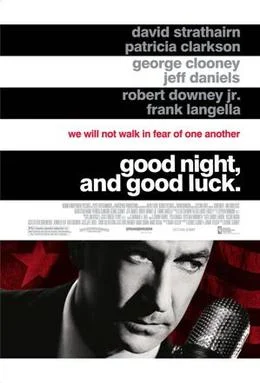
In the landscape of contemporary cinema, George Clooney's Good Night, and Good Luck. stands as a poignant reminder of the media's profound responsibility in an era defined by political tumult and ethical dilemmas. Released in 2005, this historical drama delves into the early days of broadcast journalism in the 1950s, focusing on the legendary confrontations between journalist Edward R. Murrow and Senator Joseph McCarthy. Clooney, with his dual role as director and star, crafts a narrative that is not only a reflection on history but also resonates with the ongoing struggles for freedom of speech and media integrity in the present day.
The film is underscored by its central themes of media responsibility, political courage, and the ethical complexities faced by journalists. Critics have lauded Good Night, and Good Luck. for its authentic portrayal of a significant chapter in American journalism, encapsulating the bravery required to stand against governmental pressures. The film's black-and-white cinematography enhances its downbeat yet contemplative tone, allowing viewers to feel the claustrophobic atmosphere that enveloped Murrow and his team. It serves as a timely commentary on the importance of accountability in reporting, reminding audiences that the role of the media is critical in safeguarding democracy.
Clooney’s exploration of freedom of speech emerges as a powerful theme woven throughout the narrative. The film invites viewers to reflect on the perils faced by journalists who dare to speak out against authority, showcasing the courage shown by Murrow and his team as they challenge the pervasive influence of McCarthy’s anti-communist fervor. This thematic depth resonates with current events, making Good Night, and Good Luck. not just a historical reflection, but also a clarion call for contemporary media to uphold its role as a watchdog and advocate for truth in a climate where misinformation can easily thrive.
The critical reception of Good Night, and Good Luck. has often highlighted its authenticity and timeliness, positioning it as an essential film that remains relevant in discussions about media ethics and political commentary. Clooney’s directorial style, marked by a commitment to accuracy and moral integrity, imbues the film with a sense of urgency that urges audiences to consider the implications of silence amid oppression. The film presents a complex interplay between courage and fear, ultimately celebrating those who choose to speak up when it matters most, even in the face of severe repercussions.
In conclusion, Good Night, and Good Luck. serves as a testament to both the history of journalism and its continuing discourse. Through its meticulously crafted narrative and profound ethical inquiries, the film invites viewers to engage with the weighty responsibilities that come with freedom of speech and the courage to uphold truth. In a world where the lines between fact and fiction often blur, Clooney’s work remains a necessary reminder of the power that media holds and the importance of vigilance in the pursuit of justice.