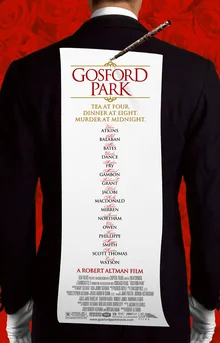
In the oeuvre of Robert Altman, Gosford Park stands as a significant milestone that captures the complexity of class relations in early 20th century England. Released in 2001, this film is often celebrated for its ingenious blend of murder mystery with incisive social commentary. With Altman's distinctive style, characterized by rich ensemble casts and multilayered storytelling, Gosford Park operates within the intriguing boundaries of the manor mystery genre, reminiscent of the works of Agatha Christie and iconic television series like Upstairs Downstairs. Through its exploration of the British class system, the film deftly examines themes of social hierarchy, servant-master relationships, and the often shadowy interplay of greed and selfishness that can drive human behavior.
Critics have noted the film's engagement with the rigid social order of its time, presenting a decaying aristocracy coupled with an opportunistic servant class. The setting, a sprawling English estate where both guests and servants coexist under one roof, becomes a microcosm for the exploration of class exploitation and interpersonal dynamics. Altman's signature style of cramped framing and stoic camera work serves to emphasize the tensions and duplicity among the characters, ensuring no guest is truly boring, each contributing to the film's labyrinthine plot. The narrative unfolds with a tragicomic sensibility, inviting viewers to embrace both the absurdities and the somber realities of life behind the grand façades of English gentility.
The ensemble cast of Gosford Park, featuring an array of esteemed actors, shines in capturing distinct behaviors and idiosyncratic mannerisms representative of their respective social standings. Their interactions create an amusing amalgam that may surprise viewers with its humorous yet poignant reflections on human nature. This dedication to character detail and layered storytelling establishes the film's rewatchability, as audiences are likely to discover new nuances upon each viewing. The chemistry among the cast is palpable, and the film’s structure, layered with overlapping dialogue and interactions, exemplifies what has come to be dubbed 'Altmanesque'.
On a broader scale, Gosford Park not only solidifies Altman's legacy as a master storyteller adept at probing the depths of human relationships but also elevates the manor mystery genre itself into realms unseen. The film stands as a muscular commentary on social order, probing into the intersections of class, power, and the human experience. Its perspectives are light yet biting, and its commentary on decaying social structures resonates with a timeless quality that feels both refreshing and melancholic. In effect, Gosford Park serves as a testament to the enduring relevance of British class structures and their impact on English life, encapsulating a moment in history with both humor and gravity.