Career Overview
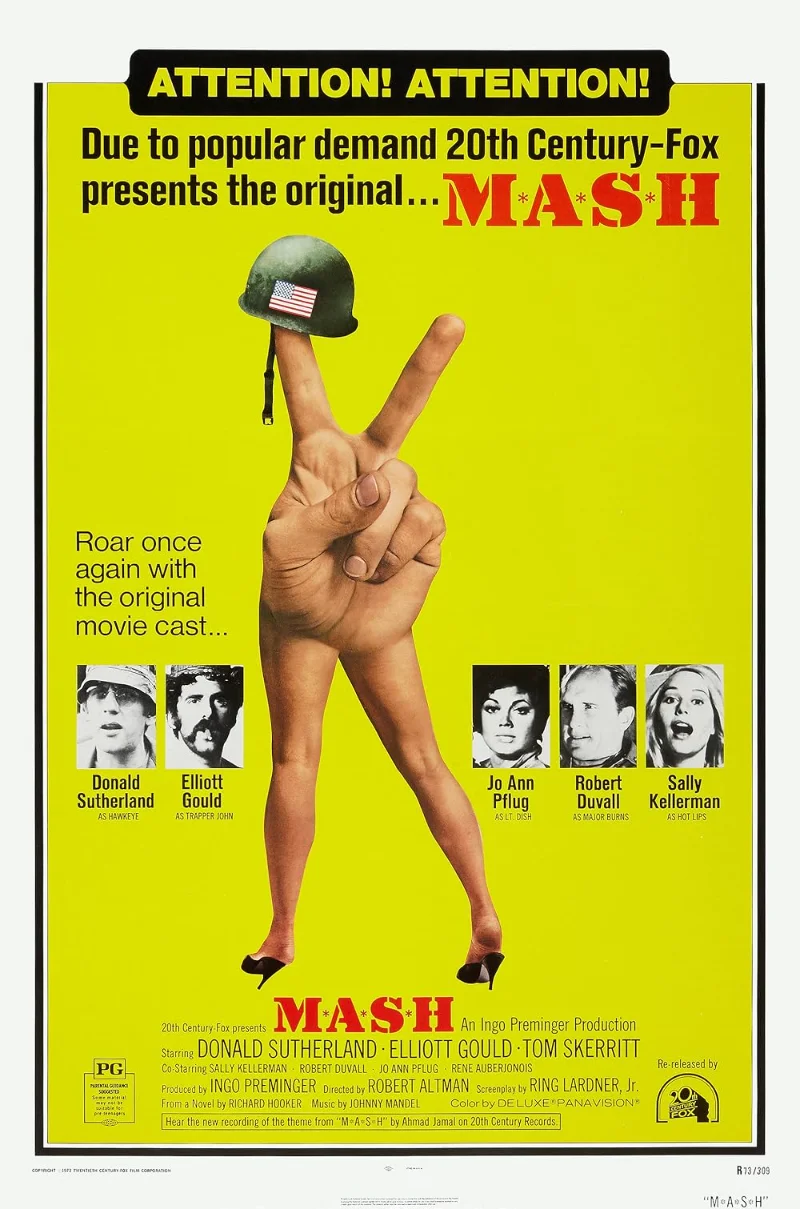
Robert Altman stands as a towering figure of the New Hollywood movement, a director whose career arc fundamentally shifted the balance of power toward filmmakers in the 1970s. His trajectory began with television work before he exploded onto the cinematic landscape with MASH* in 1970. The unexpected commercial and critical triumph of this Korean War satire proved instrumental in establishing an era of director-led cinema. It showcased his early penchant for subversive storytelling and set a template for the anti-establishment ethos that would define much of his seminal decade.
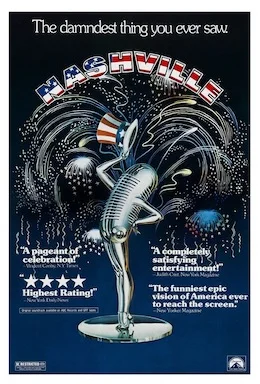
As the 1970s progressed, Altman pushed the boundaries of traditional Hollywood plotting. His 1975 masterpiece Nashville cemented his reputation as an audacious innovator. By weaving together the lives of numerous characters over five days, he created a sprawling state-of-the-nation epic that resonated deeply with the troubled political zeitgeist of the era. This middle period of his career solidified his position as a masterful orchestrator of the cinematic mosaic, a filmmaker who favored complex human tapestries over linear hero journeys.
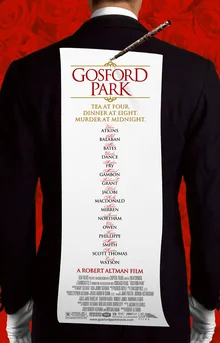
Following a period of fluctuating commercial fortunes in the 1980s, Altman experienced a profound late-career resurgence that reaffirmed his mastery. His 2001 film Gosford Park demonstrated that his signature style could seamlessly transpose across the Atlantic and backward in time. By applying his distinctly American, rebellious sensibility to a 1930s British period piece, he proved the enduring versatility of his vision. Ultimately, Altman occupies a unique space in cinema history as a perennial outsider who nonetheless directed some of the most celebrated ensemble films ever produced.
Thematic Preoccupations
At the core of Robert Altman's filmography is a relentless critique of institutions and the social hierarchies that sustain them. His work frequently functions as an anti-establishment satire, tearing down the romanticized facades of American and British societies. In MASH*, this manifests as a potent anti-war sentiment, using the grim reality of a mobile surgical unit to explore camaraderie in survival. The characters resort to ironic irreverence and countercultural rebellion to cope with a system that inherently values bureaucracy over human life.
This exploration of systemic dysfunction scales upward to a broader cultural critique in Nashville. Here, Altman examines the intersections of celebrity culture, the country music industry, and the American political landscape. The film asks piercing questions about how public spectacle consumes interpersonal relationships. It functions as a microcosm of a nation grappling with its own mythologies, exposing the selfish ambition and greed that often drive the pursuit of success. The narrative suggests that in a society obsessed with performance, authentic human connection becomes a tragicomic casualty.
In Gosford Park, Altman shifts his focus to class exploitation and the decaying social order of the English aristocracy. By dissecting servant and master relationships, he exposes the rigid British class system as a polite yet ruthless theater of cruelty. The manor mystery genre serves merely as a Trojan horse for a multi-layered tragicomedy of manners and motives. Across these distinct settings (from war zones to recording capitals to country estates) Altman continuously returns to the same philosophical concern. He questions how individuals navigate, subvert, or ultimately succumb to the oppressive structures that govern their lives.
Stylistic Signatures
The visual and auditory language of Robert Altman is instantly recognizable, characterized by a sprawling narrative structure that critics often describe as a movie mosaic. Rather than relying on classical Hollywood continuity, Altman favors an immersive, decentered approach to storytelling. His camera is notoriously restless yet observant, often described as a stoic observer that constantly roves through crowded rooms to capture overlapping actions. In Gosford Park, this technique proves highly effective, as the camera glides between the opulent upstairs and the claustrophobic downstairs, mapping the geography of social strata with fluid precision.
Auditorily, Altman revolutionized cinematic sound design through his pioneering use of multi-track recording, which allowed for overlapping, naturalistic dialogue. This sonic density forces the audience to actively listen and decide which conversations to prioritize, creating a deeply immersive experience. In Nashville, the constant soundtrack of country music and political commentary bleeds into the dialogue, rendering the audio landscape just as chaotic and layered as the visual one. This technique strips away the artificial polish of traditional scripts, replacing it with a cacophony that mirrors the messy reality of human interaction.
Mise-en-scene in an Altman film is typically characterized by a democratic framing of ensemble casts. He frequently shoots scenes in wide shots or relies on slow zooms rather than traditional reverse-angle cutting. This allows actors to inhabit the space fully, contributing to the lived-in authenticity of his worlds. Furthermore, his tonal register frequently cross-breeds genres, resulting in a signature tragicomic atmosphere. Whether he is balancing the breezy and black comedy of MASH or crafting the light yet biting satire of Gosford Park*, Altman ensures his stylistic choices always serve his broader goal of subverting audience expectations.
Recurring Collaborators
While traditional auteurs often rely on a fixed stable of leading stars to anchor their narratives, Robert Altman built his legacy on a different paradigm of collaboration. He famously treated his expansive, star-studded casts as equal partners in the creative process. Reviewers frequently note that an Altman film feels like a party with no boring guests, a testament to his ability to draw out compelling, authentic performances from diverse groups of actors. Rather than focusing every scene on a single highly paid star, he cultivated an environment where character actors and recognizable leads alike could weave their way through his labyrinthine plots.
This democratic approach to casting meant that while specific actors might not appear across every single era of his filmography in traditional leading roles, his overarching collaborative ethos remained remarkably consistent. The ensemble cast itself became his most reliable recurring partner. In Nashville, he relied heavily on the musical and improvisational talents of his actors, many of whom wrote and performed their own songs. This blurring of the line between performer and creator was essential to achieving the sprawling, state-of-the-nation authenticity the film required.
Behind the camera, Altman frequently collaborated with ambitious writers who could provide the muscular frameworks necessary for his improvisational style to flourish. His partnership with writer Julian Fellowes on Gosford Park exemplifies this dynamic perfectly. Fellowes provided a script crammed with sparkling lines and a meticulously researched British class structure, which Altman then directed with his trademark ironic irreverence. By marrying highly structured screenplays with his loose, intuitive directorial style, Altman forged a unique alchemy that defined his greatest cinematic achievements.
Critical Standing
The critical reputation of Robert Altman has long been that of a brilliant, iconoclastic maverick who consistently challenged the conventions of American cinema. His breakthrough with MASH* firmly established his cultural relevance, earning him widespread acclaim for crafting what critics consider the definitive pop-fiction movie about the Vietnam era, despite its Korean War setting. Its unexpected box office success earned him immense critical capital, positioning him alongside the most important voices of the New Hollywood movement. Critics praised his ability to make war look funny as hell while maintaining a deeply cynical outlook on institutional authority.
As his career progressed, works like Nashville elevated his standing from a successful satirist to a visionary artist. Contemporary critics and retrospective reviewers alike hail the film as a dazzling, innovative classic. It is widely studied as a masterful narrative experiment that successfully captures a microcosm of America during a turbulent stretch. While his output in the intervening years occasionally polarized critics who found his sprawling methods overly chaotic, his undisputed masterpieces have always anchored his legacy as a cinematic pioneer who redefined the possibilities of the ensemble film.
By the time Gosford Park was released, Altman was celebrated as an undisputed master of the form. Critics reveled in his return to the classic movie mosaic model, warmly noting how he cross-bred the Agatha Christie tradition with the social commentary of Upstairs Downstairs. His ability to deliver a multi-layered tragicomedy rather than a simple whodunnit cemented his legacy as a director of profound psychological and social insight. Today, Altman is canonized not just for his technical innovations, but for his uncompromising, profoundly human character vignettes that continue to influence generations of filmmakers.