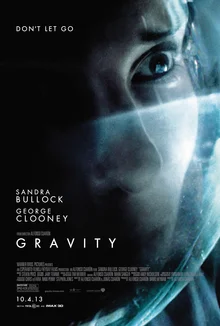
Alfonso Cuarón's Gravity (2013) stands as a pivotal moment in cinema history, illustrating not only the director's masterful storytelling but also the continuous evolution of visual effects and immersive experiences in film. Cuarón, known for his boundary-pushing narratives and technical innovations, expertly blends human vulnerability with the grand theme of space exploration. By fusing these elements, he creates a cinematic spectacle that resonates with audiences and critics alike, placing Gravity firmly in the pantheon of modern classics.
Critics have hailed Gravity for its emotionally intense portrayal of psychological resilience and survival against overwhelming odds. The film follows astronaut Dr. Ryan Stone, played by Sandra Bullock, in her harrowing attempt to return to Earth after a catastrophic accident leaves her stranded in the void of space. This journey becomes not only a physical struggle but also an exploration of the human spirit’s capacity for endurance and reconnection with life. The visual storytelling deeply engages viewers, making them acutely aware of both the beauty and desolation of space, while the intimate performance by Bullock adds a layer of emotional depth to the narrative.
Visually dazzling and technically innovative, Gravity utilizes cutting-edge effects to create a sense of immersion that pulls viewers into the weightlessness of space. Cuarón’s attention to detail results in a film that is not only a visual spectacle but also a masterclass in action choreography, offering a clean and elegant viewing experience. The long takes and seamless transitions heighten the audience's engagement, allowing for an invigorating journey through the stunning yet perilous expanse of the universe. This creative approach to cinematography reinforces the film's themes of isolation, connection, and survival in a hostile environment.
At its core, Gravity transcends the realm of typical science fiction by weaving a narrative that examines human vulnerability amidst unimaginable circumstances. The film reflects a broader understanding of survival as both a physical and emotional endeavor, captivating audiences with its portrayal of connection and resilience. By foregrounding the solitary experience of Stone, Cuarón taps into a universal narrative of human struggle, reminding viewers of the fragile nature of existence.
In conclusion, Gravity encapsulates a significant chapter in Cuarón's artistic journey while serving as a landmark in the landscape of contemporary cinema. It defies conventional genre boundaries, offering not just a thrilling experience but also a profound commentary on human resilience and the need for connection. As technology continues to advance, Gravity remains a benchmark for future filmmakers, inspiring them to explore innovative storytelling techniques that immerse audiences in both the vastness of space and the intricacies of the human experience.