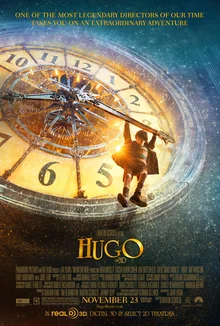
In Hugo, Martin Scorsese pays heartfelt homage to the origins of cinema while crafting an intricate tale that resonates with both nostalgia and innovation. Set in 1930s Paris, the film invites viewers into the life of a young orphan, Hugo Cabret, who lives in the walls of a train station. As Hugo embarks on a quest to unlock the mysteries left behind by his late father, Scorsese weaves together themes of family adventure and film history, showcasing his deep reverence for the art form. This narrative not only explores the relationship between Hugo and the enigmatic filmmaker Georges Méliès but also illuminates the broader significance of preserving cinema’s past.
Critics widely laud Hugo as a visually spectacular and immersive experience that encapsulates the magic of the movies. With its gorgeous cinematography and meticulous attention to detail, the film creates an enchanting world that captivates audiences of all ages. The innovative narrative structure and allusive references to early cinema enrich the film, making it both an entertaining family adventure and a poignant exploration of film preservation. As Scorsese combines fantasy with the harsh realities of orphanhood, the emotional depth of the story engenders a moving connection between characters and viewers alike.
At its core, Hugo is a celebration of storytelling and the impact of cinema on our lives. The film highlights the importance of preserving film history, as seen through Hugo's quest to restore a life-sized automaton left by his father, a symbol of the lost art of filmmaking. This theme of conservation resonates with Scorsese’s lifelong commitment to film preservation and his role in the establishment of The Film Foundation, which aims to safeguard and restore forgotten cinematic works. Each layer of the narrative serves as a reminder of the ephemeral nature of film, urging viewers to appreciate the legacy of those who came before them.
The film's marriage of whimsical adventure with an exploration of historical legacy earns it critical praise for its balanced tone, a feat not easily accomplished. Critics describe Hugo as exhilarating and funny, capturing the essence of childhood wonder while delving into deeper, more poignant themes. This multifaceted approach creates an experience that is both educational and entertaining, making it resonant for both children and adults. It stands as a testament to Scorsese's brilliance, as he ushes in a new era of filmmaking while simultaneously paying tribute to the art's rich heritage.
In conclusion, Hugo emerges as not only a visually stunning work but also a deeply meaningful narrative that reflects Martin Scorsese's immense passion for cinema. This film serves as a reminder of films' transformative power and the importance of their preservation for future generations, forging a connection between familial love and the magic of storytelling. Hugo ultimately invites audiences on a journey through time, encouraging them to cherish the history of cinema and acknowledge the enduring legacy left by those who dared to dream.