Career Overview
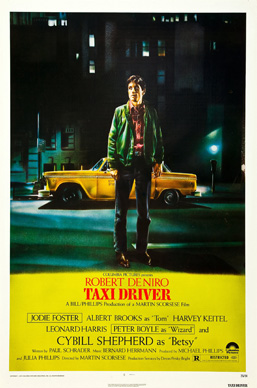
Martin Scorsese stands as a defining figure of American cinema, emerging from the energetic New Hollywood movement of the 1970s. His early career established him as an unmatched chronicler of urban decay, with Taxi Driver capturing the profound alienation and moral rot of post-Vietnam New York City. This era laid the foundation for a filmography deeply invested in the darkest corners of the human condition, blending European art-house sensibilities with distinctly American narratives.
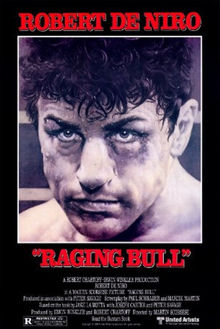
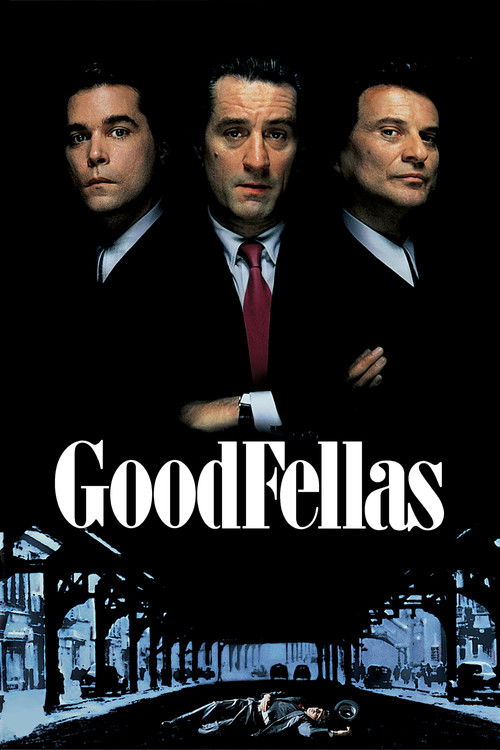
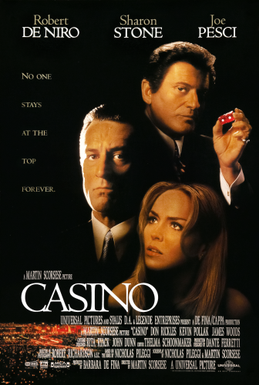
Moving into the 1980s and 1990s, Scorsese refined his intense psychological themes and unflinching portrayals of violence. Raging Bull showcased an unprecedented level of raw emotional depth, cementing his reputation as a master of character-driven tragedy. He subsequently redefined the crime drama with Goodfellas and Casino, offering dazzling and exhilarating looks at the rise and fall of the mob while exploring the volatile gangster life that defined the American underworld. These mid-career triumphs proved his unparalleled ability to weave complex, multi-decade narratives.
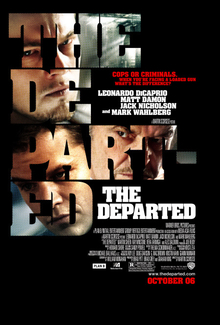
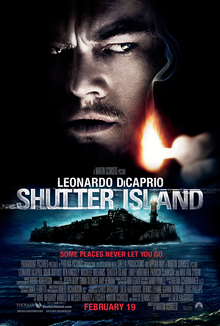
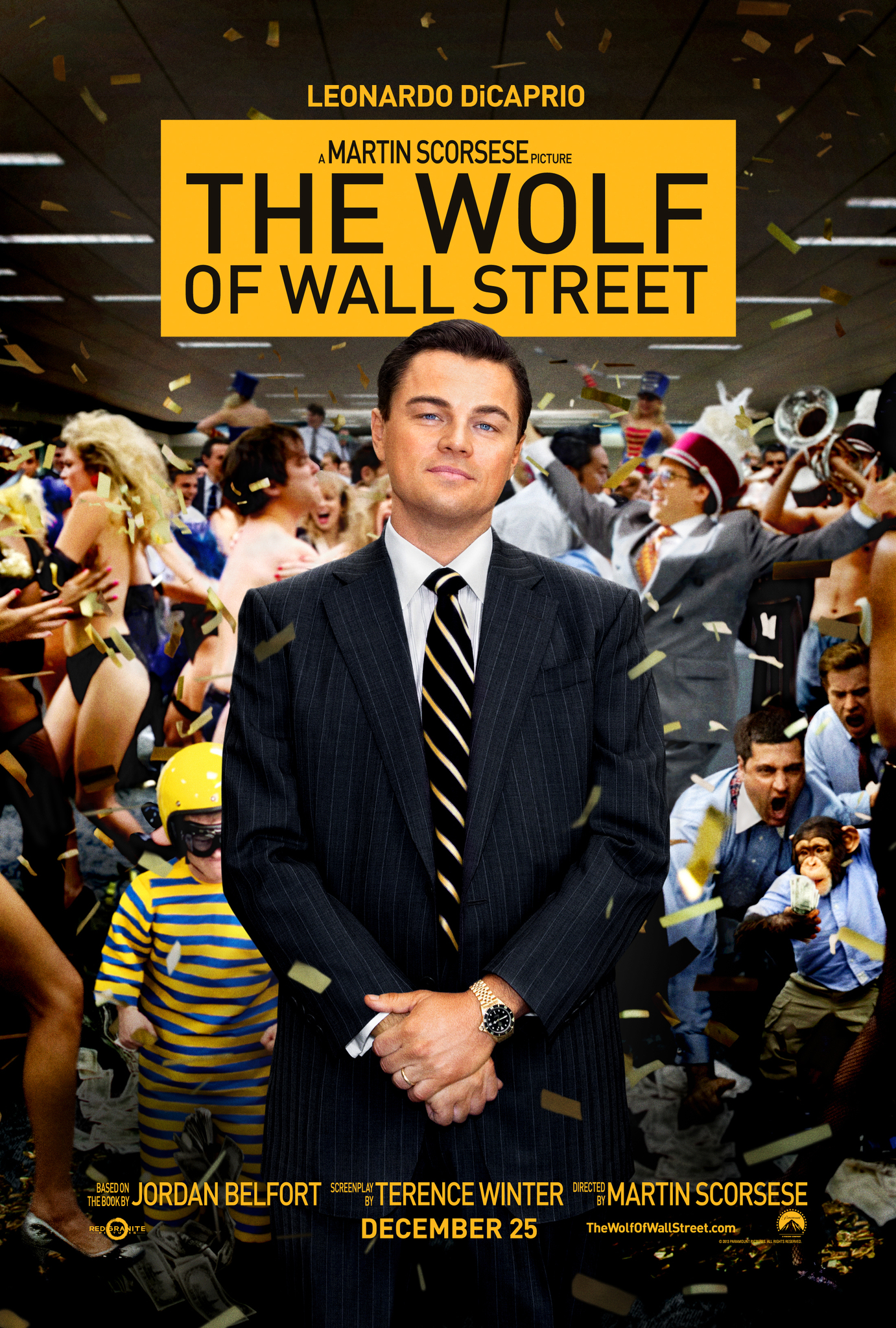
In the twenty-first century, his work expanded in scope while retaining its savage bite. Films like The Departed, Shutter Island, and The Wolf of Wall Street demonstrate a filmmaker refusing to rest on his legacy. Instead, he transitioned seamlessly from street-level grit to exploring institutional corruption, white-collar crime, and profound identity crises. This continual evolution proves that his exuberant storytelling and thematic obsessions remain as vital and relevant today as they were at the dawn of his career.
Thematic Preoccupations
A pervasive obsession with masculine identity crisis and self-destruction forms the thematic spine of the Scorsese filmography. In Taxi Driver and Raging Bull, he isolates his protagonists in cages of their own making, examining how alienation, loneliness, and jealousy erupt into visceral violence. These narratives probe the tragic intersection of ambition and redemption, asking whether salvation is possible for men consumed by their own violent compulsions and paranoid delusions.
The corruption of the American dream through greed and immorality serves as another dominant preoccupation. Goodfellas and Casino demystify the glamour of the Las Vegas underworld and the New York mafia, focusing on betrayal and ambition within tightly knit criminal ecosystems. Scorsese examines how loyalty is commodified and inevitably betrayed, mapping the rise and fall of the mob as a dark, violent mirror to traditional capitalist enterprise. The volatile gangster life is depicted not as an anomaly, but as a direct byproduct of systemic American avarice.
In his later work, these inquiries shift toward themes of identity and deception within institutional frameworks. The Departed relies heavily on undercover operations to explore the psychological toll of leading a double life, blurring the lines between law enforcement and organized crime. Similarly, Shutter Island operates as a psychological thriller that questions the very nature of reality and sanity, while The Wolf of Wall Street translates his underworld preoccupations into an orgy of excess, revealing the unlovable characters and white-collar crime that drive modern corporate greed.
Stylistic Signatures
The visual language of Martin Scorsese is characterized by a kinetic, exhilarating pace and a gritty narrative style. His camera is rarely static, utilizing sweeping tracking shots and rapid, whip-pan movements to thrust the audience directly into the volatile lives of his subjects. This dazzling execution, particularly evident in the brash storytelling of his crime dramas, creates a deeply immersive experience that captures both the dizzying highs of success and the crushing, inevitable lows of failure.
Central to this intoxicating rhythm is his revolutionary approach to editing, which often features freeze-frames, rapid montages, and non-linear chronological leaps. This editing style transforms lengthy epics into gripping, fast-paced narratives, allowing a three-hour runtime to feel extraordinarily swift. The exuberant storytelling in films like The Wolf of Wall Street relies on these techniques to mirror the drug-fueled mania of its protagonists, rendering an indulgent experience that is both slick and intentionally overwhelming.
Sound design and musical curation are equally vital to his atmospheric tension and emotional resonance. Scorsese frequently juxtaposes chilling and unnerving classical compositions with driving rock music, creating a suggestive and unforgettable audiovisual landscape. Whether using popular music to punctuate the sudden violence in his gangster narratives or employing a haunting atmosphere to heighten the paranoia in his psychological thrillers, his soundtracks function as a direct, visceral line into the fragmented psyches of his characters.
Recurring Collaborators
The enduring partnership between Martin Scorsese and Robert De Niro remains one of the most celebrated collaborations in cinema history. Across their extensive work together, De Niro has served as the ultimate vessel for the director's explorations of masculine identity and self-destruction. From the lonely vigilance of Taxi Driver to the raw emotional depth of Raging Bull and the calculating ambition in Casino, De Niro consistently grounds the director's intense psychological themes with performances that are both terrifying and profoundly tragic.
Complementing De Niro's simmering intensity is Joe Pesci, whose appearances inject a brash and menacing volatility into the narrative. Pesci operates as an agent of pure, unfiltered chaos in the underworld environments of Goodfellas and Casino. The dynamic between De Niro and Pesci elevates these films, yielding uniformly excellent performances that perfectly capture the betrayal and volatile gangster life inherent in the rise and fall of the mob. Pesci's presence ensures that the threat of sudden, unflinching violence is always palpable.
In the latter half of his career, Scorsese found a new muse in Leonardo DiCaprio, marking a shift toward themes of white-collar corruption and institutional deception. DiCaprio's charismatic but deeply flawed characters in The Departed, Shutter Island, and The Wolf of Wall Street allowed the director to explore modern crises of identity. This collaboration brought a different kind of frantic energy to the screen, anchoring the black comedy and psychological inquiries of the director's twenty-first-century output with performances that are as revolting and outlandish as they are compelling.
Critical Standing
Critics have long positioned Martin Scorsese in the highest echelon of American auteurs, frequently comparing his visual ambition and thematic rigor to classic noir films and the psychological depth of Alfred Hitchcock. His early masterpieces were immediately recognized for their unflinching portrayal of violence and urban decay. Reviews of his early work praised his ability to evoke fear and capture the cultural zeitgeist, cementing his status as a visionary capable of delivering deeply affecting, raw emotional truths.
During the peak of his mob-focused era, the critical consensus celebrated his dazzling, often exhilarating look at the Las Vegas underworld and New York streets. Works exploring the rise and fall of the mob became the gold standard for the crime drama genre, widely lauded for their compelling narrative momentum and uniformly excellent ensemble casts. Even when some critics found the material overly savage or violent, they invariably conceded to the sheer bravura of his directing and the fascinating storytelling on display.
In recent decades, his critical reputation has only grown more robust, characterized by an awe at his enduring creative vitality. Reviewers note that he still directs with a fire in his belly, praising the roundhouse punch of his later thrillers and the uproarious, black comedy elements of his corporate satires. While occasionally sparking debate over his focus on unlovable characters and slick yet wearying indulgence, the overarching critical discourse acknowledges him as a master filmmaker whose stylistic bravado and thematic obsessions continually redefine the boundaries of modern cinema.