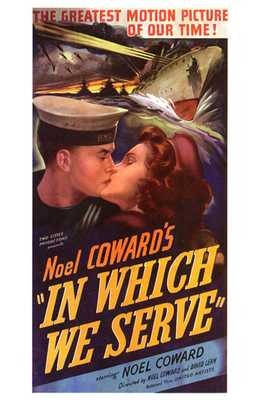
In Which We Serve marks a pivotal moment in British cinema during World War II, seamlessly weaving elements of propaganda into a compelling narrative. Directed by Noël Coward and David Lean, the film reflects a collective sentiment of patriotism and courage, tapping into the zeitgeist of an era fraught with uncertainty. As a semi-documentary, it narrates the story of the fictional destroyer HMS Torrin and its crew, creating an ensemble framework that not only showcases individual narratives but also resonates with a communal spirit. This film holds a crucial place in Coward's body of work, wherein he often examined human relationships amid turmoil, yet here he elevates the stakes to a national level, embracing the wartime ethos with fervor.
Critical consensus around In Which We Serve has celebrated its depiction of heroism and resilience. The film captures the raw emotions of war, revealing how ordinary men undertake extraordinary feats in the name of duty and service. Coward's performance not only embodies a high morale but also serves as a powerful reminder of the responsibility that comes with leadership during adversity. Every character in the film, from the seasoned sailors to their families, illustrates varying responses to the war, presenting a tapestry of reactions that amplify the story's impact. The film succeeds in highlighting sacrifice and unity, establishing a narrative that resonates deeply with the wartime audience.
In both its form and message, In Which We Serve stands out as a quintessential example of flag-waving cinema. The cinematic techniques employed offer a sense of realism, blurring the lines between narrative and documentary. One cannot overlook how Coward and Lean utilized their artistic prowess to create an authentic portrayal of life at sea, enriching the film with meticulously crafted scenes that invite viewers to empathize with the characters involved. As a result, the film is infused with a palpable sense of urgency and realism, enticing audiences to reflect on the war's personal toll.
Despite its patriotic undertones, In Which We Serve does not shy away from exploring the more profound nuances of human experience in times of conflict. The focus on resilience speaks to an innate strength found within individuals and communities faced with the specter of war. Critics have appreciated how these themes are seamlessly interwoven with the film's larger narrative, crafting a multifaceted portrayal of the human spirit in its quest for dignity, honor, and survival.
In conclusion, In Which We Serve remains a significant work in the canon of British war films, not only for its artistic merit but for its unflinching examination of the effects of war on humanity. This film is a celebration of valor blended with a sobering realism, inviting contemporary viewers to connect with the past while reminding us of the enduring nature of resilience and the unbreakable bonds created through shared experiences. Coward and Lean's collaboration thus carved a definitive legacy, one that speaks as powerfully today as it did upon its initial release, urging new generations to remember and reflect.