Career Overview
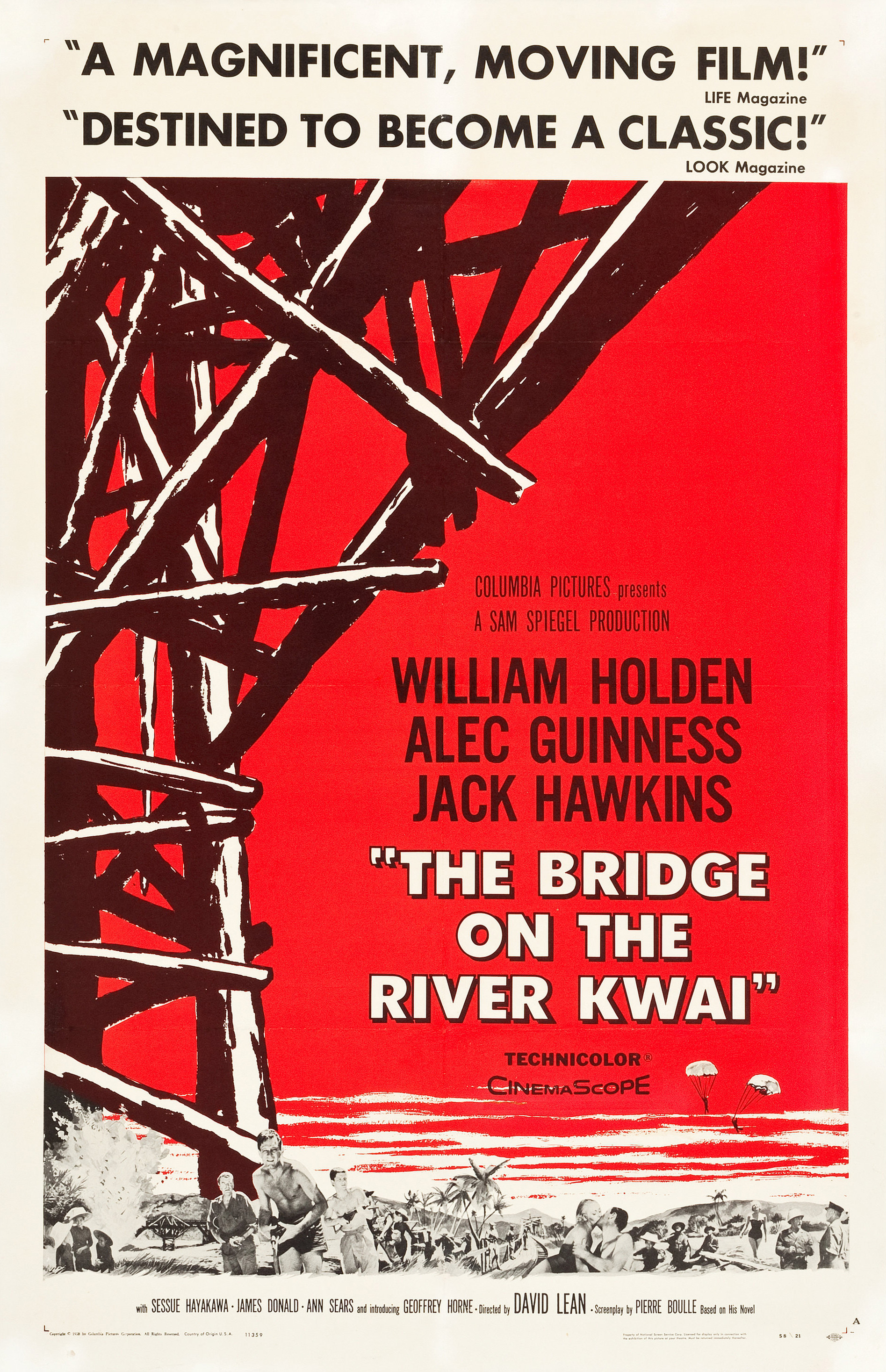
David Lean occupies a towering position in the pantheon of global cinema, celebrated for engineering a pivotal transition in the scale and psychological ambition of the historical epic. While his earlier career in British cinema established his reputation as an astute observer of intimate human dramas, his creative trajectory shifted definitively in the late 1950s. The release of The Bridge on the River Kwai inaugurated what critics widely regard as Lean's epic phase. This era of his filmography redefined the possibilities of large scale cinematic storytelling, merging monumental visual scope with intense character studies.
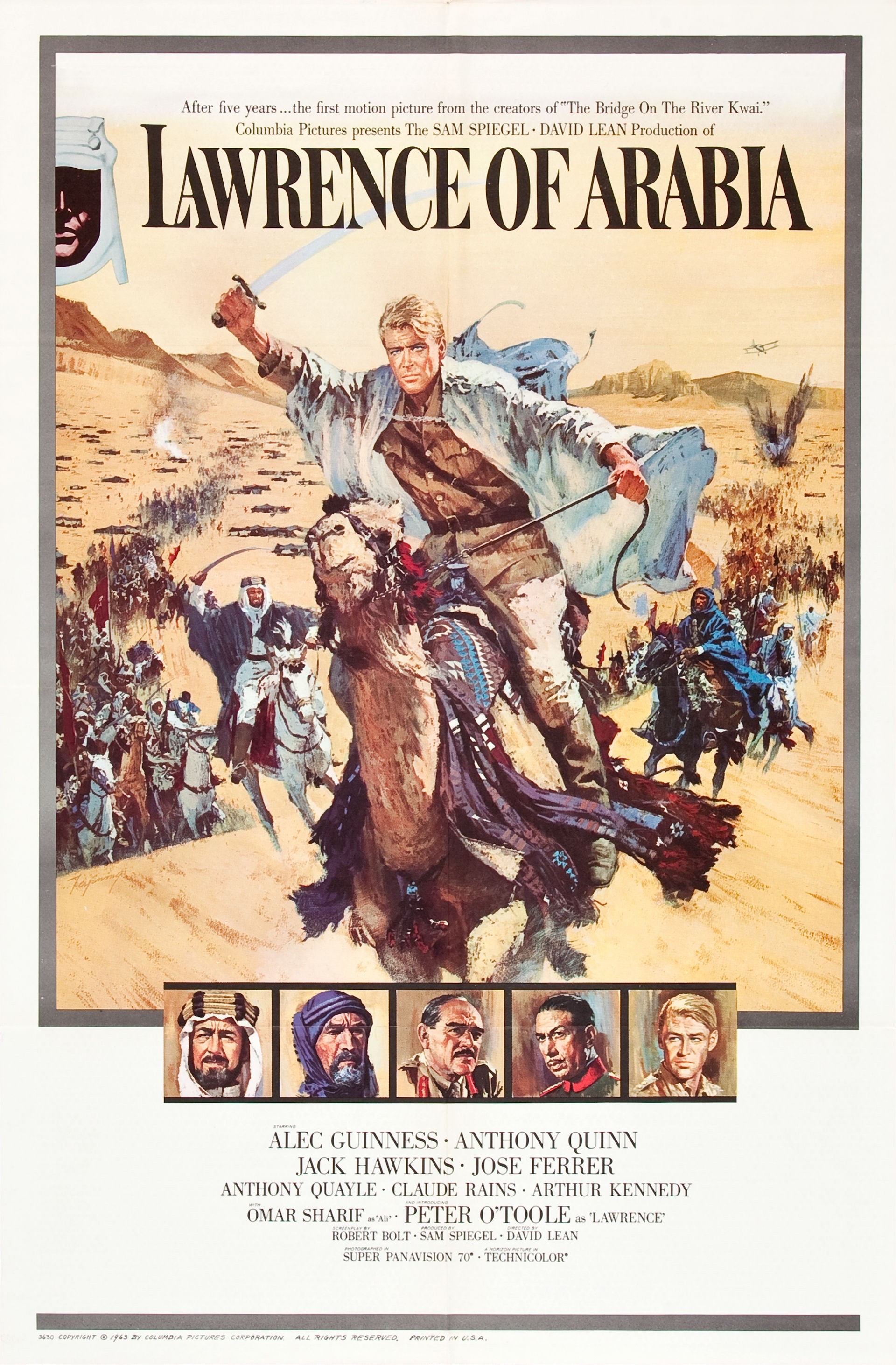
Lean's background as a highly skilled editor deeply informed his directorial approach throughout his career. He understood precisely how to manipulate cinematic time and space to maximize psychological impact. This foundation allowed him to orchestrate massive logistical undertakings, such as the arduous desert shoots of Lawrence of Arabia, without ever losing control of the narrative rhythm. His midcareer transformation saw him moving away from the drawing room and into the expansive, unforgiving landscapes of war and imperialism.
Within the landscape of twentieth century filmmaking, Lean is uniquely positioned as a director who proved that spectacular commercial entertainment could simultaneously operate as rigorous art. His films from this period are not merely historical reenactments but complex interrogations of British identity, imperialism, and the human cost of legendary exploits. By successfully bridging the gap between art house introspection and blockbuster spectacle, Lean created a template for the modern epic that filmmakers continue to study and emulate.
Thematic Preoccupations
The thematic spine of Lean's epic filmography is an unflinching exploration of obsession and the psychological decay that accompanies rigid adherence to duty and honor. In The Bridge on the River Kwai, the concept of military discipline is perverted into a form of madness. The film meticulously tracks how a prideful commitment to the rules of war can blind individuals to the tragic absurdity of their actions. Lean interrogates the British class system and its military manifestations, presenting a humanistic perspective that views unquestioning loyalty as a precursor to psychological ruin.
This intense focus on psychological tension deepens in Lawrence of Arabia, where the themes of identity and heroism take center stage. Lean questions the very nature of the mythic hero, portraying leadership not as a divine gift but as a crushing burden that fractures the self. T.E. Lawrence is depicted as a man caught between cultures, driven by an obsessive need to forge a singular destiny while grappling with internal contradictions. The director uses the backdrop of global conflict to expose the hollow core of imperial ambition and the inevitable betrayals that follow political expediency.
Ultimately, Lean treats war as a theater of irony and tragic inevitability. He frequently positions his protagonists in situations where their greatest triumphs are simultaneously their most profound moral failures. The concept of honor in military service is continually destabilized, revealed to be a fragile construct that crumbles under the weight of human frailty and madness. These timeless themes ensure that Lean's narratives transcend their historical settings, functioning instead as complex morality plays about the limits of the human will.
Stylistic Signatures
Lean's visual language is characterized by an unparalleled mastery of scale, creating grand cinematic experiences that dwarf the individual while paradoxically emphasizing their internal struggles. His staging often places isolated figures against vast, unforgiving environments, a technique most famously realized in his remarkable ability to imagine the desert in Lawrence of Arabia. This juxtaposition between the monumental landscape and the fragile human form serves as a visual metaphor for his characters' psychological isolation. The lavish cinematography is never merely decorative, as it functions as a critical storytelling tool that immerses the viewer in the physical reality of the narrative.
Despite the sprawling nature of his epic narratives, Lean maintained an almost obsessive control over suspenseful narrative construction. He frequently utilized deliberate, measured pacing to build psychological tension, allowing the quiet moments between monumental events to carry immense dramatic weight. In The Bridge on the River Kwai, Lean eschews the heavy handed use of blaring music to signify dramatic import, relying instead on ambient sound and precise visual composition to underline the film's provocative themes. This restraint amplifies the emotional impact of the inevitable climactic explosions of violence.
The director's mise en scene is consistently marked by an ironic complexity. Lean often contrasts the spectacular machinery of war and the rigid geometry of military formations with the messy, unpredictable reality of human behavior. This tension is further elevated by his sophisticated auditory design. By layering intricate soundscapes over sweeping visuals, Lean crafts an immersive storytelling environment where aural cues become as iconic and revealing as the dialogue itself.
Recurring Collaborators
The psychological complexity of Lean's cinema is heavily reliant on a stable of formidable acting talent, most notably his enduring creative partnership with Alec Guinness. Guinness served as a crucial avatar for Lean's exploration of obsessive, rigid masculinity. In The Bridge on the River Kwai, Guinness delivers a classic portrayal of an interned British officer whose fixation on building a flawless bridge slowly devolves into madness. Their collaboration provided Lean with an actor capable of conveying profound internal fractures beneath a veneer of stoic military discipline.
Jack Hawkins represents another vital component of Lean's ensemble, frequently cast to embody the traditional, often unimaginative establishment against which the central protagonists rebel or fracture. Hawkins provides a grounding presence in both The Bridge on the River Kwai and Lawrence of Arabia. His performances serve to highlight the contrast between conventional military protocol and the eccentric, individualistic madness of Lean's primary antiheroes. By utilizing actors like Hawkins in recurring authoritative capacities, Lean effectively critiques the British imperial mindset from within.
Beyond his recurring stable, Lean demonstrated an extraordinary ability to extract career defining performances from emerging talents, as seen in his collaboration with Peter O'Toole in Lawrence of Arabia. Lean utilized O'Toole's striking physicality and theatrical intensity to craft an unforgettable portrait of fractured heroism. While O'Toole was not a longtime collaborator in the vein of Guinness, his work with Lean underscores the director's skill in matching complex, meaty performances to his lavish, demanding visual canvases.
Critical Standing
Lean occupies a rarified space in film criticism, universally acknowledged as a master architect of the monumental epic. His critical reputation has only solidified over time, with Lawrence of Arabia frequently cited by publications like The Guardian as a masterpiece of cinema and by RogerEbert.com as a bold, mad act of genius. Critics routinely compare his epic phase to milestones of cinematic ambition like 2001: A Space Odyssey and Ben-Hur, acknowledging Lean's equal footing among the titans of visual storytelling. His works are often treated as the gold standard for how to execute massive historical narratives without sacrificing psychological depth.
The critical discourse surrounding Lean frequently focuses on his unique ability to marry rousing epic filmmaking with deep intellectual rigor. Contemporary reviews of The Bridge on the River Kwai highlight how it functions both as richly entertaining cinema and as a profound study of human will. Reviewers often point to the influence of classic films like Alexander Nevsky or Buster Keaton's The General on Lean's style, yet they simultaneously acknowledge how his films have heavily influenced modern epics such as The English Patient and The Man Who Would Be King. His legacy is thus dual natured, positioning him as both a synthesizer of classic techniques and a pioneer for future generations.
While some early critical evaluations occasionally dismissed large scale productions as inherently less artistic than intimate dramas, Lean's filmography forcefully dismantled that prejudice. Today, critical standing dictates that his grand cinematic experiences are not merely spectacles but vital, complex texts that demand rigorous analysis. The power of his films has not diminished over time, as critics continually return to his work to study the perfect synthesis of lavish cinematography, precise editing, and profound humanistic inquiry.