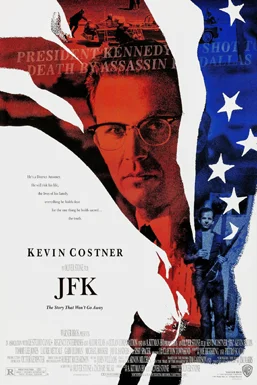
In the expansive landscape of 1990s cinema, Oliver Stone's JFK stands as a provocative exploration of political intrigue and conspiracy, threading a narrative so complex that it invites both admiration and outrage. Emerging from a director known for his fervent examinations of historical moments and his fervent commitment to uncovering hidden truths, JFK takes on the monumental task of investigating the assassination of President John F. Kennedy. It not only seeks to address the event itself but also to peel back layers of media manipulation and governmental deception. This film presents itself as a relentless investigation, blending historical drama with a hypnotic urgency, encapsulating the zeitgeist of an era skeptical of power and authority.
Critics are generally united in their consensus about the film's emotional weight and persuasive storytelling. Through a mix of dramatized recreations and documentary-style techniques, Stone constructs a narrative that is both educational and unsettling. Viewers are led through a labyrinth of conspiracy theories that challenge official accounts, effectively distilling a politically charged atmosphere where truth is often elusive. The film’s pacing is hypnotic and turbulent, echoing the obsessive nature of its protagonist, Jim Garrison, portrayed with conviction by Kevin Costner. As an investigator grappling with his own demons while pursuing justice, Garrison embodies the emotional underpinning of a story that evokes feelings ranging from infuriation to despair.
The film is not merely a historical retelling but serves as a meditation on media manipulation and the ways narratives are crafted and controlled. Stone portrays a media landscape fraught with the tension between sensationalism and the search for truth, illustrating how easily the public can be misled. The portrayal of media in JFK is both critical and reflective, suggesting that the quest for transparency often crumbles under the weight of bureaucracy and propaganda. Through this lens, the film becomes even more disturbing, revealing how contemporary society continues to grapple with similar challenges, blurring the line between fact and fiction.
JFK draws viewers into an obsessive narrative, skillfully engaging them with its powerful montage sequences and a richly layered script that demands attention. Stone’s signature style amplifies the film's emotional resonance, resulting in a cinematic experience that feels both immediate and surreal. This approach heightens the urgency of the investigation, enabling audiences to empathize with Garrison’s plight while also confronting their own beliefs about governance and accountability. As the film poses more questions than it answers, it invites a critical analysis of the events surrounding Kennedy’s assassination, one that is as relevant today as it was upon its release.
In conclusion, JFK is an ambitious and unnerving hybrid of historical drama and conspiracy thriller, solidifying its place in cinematic history as a film that refuses to shy away from uncomfortable truths. It demands an active engagement from its viewers, urging them to question the narratives presented to them. By blending compelling storytelling with poignant themes, Stone crafts a film that remains an emotional touchstone in discussions surrounding trust, power, and the often obscured nature of historical events.