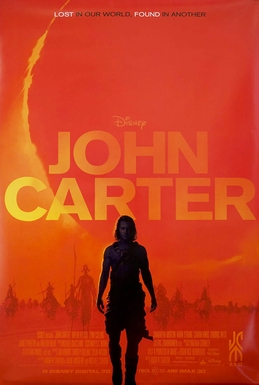
In the landscape of modern cinema, John Carter represents both an ambitious leap and an emblem of the pitfalls that can accompany it. Directed by Andrew Stanton, renowned for his success with animated films such as Finding Nemo and WALL-E, this live-action adaptation of Edgar Rice Burroughs' classic series entered the realm of epic science fiction with the promise of thrilling interplanetary adventure. Set against the backdrop of the American Civil War, the film attempts to draw parallels between the struggles of a war veteran and the battlegrounds of a foreign planet, introducing audiences to a tapestry of alien civilizations and grand battles. However, despite Stanton's talent for visual storytelling, John Carter ultimately faced criticism for its narratively incoherent structure and uneven pacing, hindering what could have been a masterful hero's journey.
Critics have lauded the film's visual prowess, calling it visually striking and stunning in its depiction of the alien landscapes and cultures of Mars. The imaginative design and special effects showcase Stanton's ability to create a visually impressive world, reminiscent of the imaginative breadth found in his animated works. However, this visual grandeur is often overshadowed by a narrative that many found lacking in depth and coherence. As Carter traverses a foreign land filled with political intrigue and epic confrontations, viewers struggle to remain emotionally engaged due to the film's erratic pacing and muddled storytelling. The grand ambitions of crafting an expansive tale of heroism, discovery, and redemption feel muffled beneath layers of confusing plots and exposition.
As a film that sought to revive a genre and establish itself as a franchise, John Carter grappled with its identity and purpose, often leading to moments that felt stultifying rather than thrilling. Critics noted a sense of boredom that crept into the viewing experience, tied to the overwhelming amount of content presented without adequate focus or connection to the audience. The stakes felt distant, leaving viewers uninvested in the characters' fates, including that of the titular hero. Instead of elevating Carter's journey from Civil War veteran to reluctant savior of a distant planet, the film's attempts to balance spectacle with storytelling resulted in a narrative that many found forgettable.
Despite its flaws and mixed reception, John Carter retains a certain charm, driven by Stanton's passion for adventure and the epic narrative style. The film is emblematic of both the allure and challenges of translating beloved literary works to the big screen. The coexistence of visually arresting moments alongside narratively flawed sequences encapsulates a broader struggle faced by adaptations seeking to honor their source material while catering to modern audience expectations. Stanton’s exploration into grand themes of redemption and belonging is evident but often falters in execution, leading to a sense of lost potential.
Ultimately, John Carter serves as a cautionary tale about the intricacies of world-building in cinema. It reminds us that while the foundation of a thrilling adventure and compelling hero's journey exists, the delivery through coherent storytelling and emotional richness is equally vital. Through this lens, the film stands as a testament to the risks filmmakers face when blending visual ambition with complex narratives, aiming for both grandeur and depth in a saturated marketplace. As cinema evolves, lessons learned from John Carter will likely inform future endeavors within the expansive realm of science fiction.