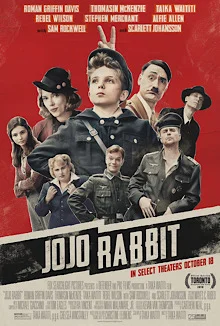
Taika Waititi's Jojo Rabbit occupies a distinctive space within both his oeuvre and contemporary cinema, blending whimsical storytelling with the stark realities of World War II. As an audacious satirical take on the evils of fascism, the film aligns with Waititi's signature style that combines the absurd with heartfelt emotion, reflecting his earlier works such as What We Do in the Shadows and Hunt for the Wilderpeople. Here, he delves into the psyche of a 10-year-old boy named Johannes "Jojo" Betzler, whose blindly nationalist upbringing in Nazi Germany takes a surreal turn as he befriends a Jewish girl hiding in his home. This thematic exploration of innocence lost against the backdrop of war presents a unique coming-of-age narrative that challenges viewers to reassess the values of empathy and understanding over indoctrination.
The critical reception of Jojo Rabbit has been markedly mixed, encapsulating a broad spectrum of sentiments ranging from laudatory to disparaging. Many reviewers highlight its ambitious and original approach, praising its imaginative framing of a sensitive subject through the lens of a child’s perspective. However, some critics argue that the film can veer into unsafe territory, rendering it at times manipulative or schmaltzy. While the humor and sentimentality resonate with the earnestness of its younger protagonist, others feel that it grapples with erratic pacing and inconsistent tonal shifts, often blending black humor with moments that slip into sentimentality, at times to its detriment.
At the heart of Jojo Rabbit is a poignant exploration of identity shaped by the absurdity of childhood fantasies. Jojo’s relationship with his imaginary friend, an exaggerated version of Adolf Hitler, acts as a vehicle to reflect his internal conflict, allowing for both comedic and sobering moments. This duality reveals the complexities of indoctrination and the innocence of youth, crafting a narrative that is as engaging as it is unsettling. Through the lens of imagination, Waititi manipulates genre conventions, offering a quirky yet sobering commentary on the nature of hate and the inherent goodness that can persist amidst darkness.
Ultimately, Jojo Rabbit embodies the struggles of a young boy amid a tumultuous backdrop, a coming-of-age story cloaked in the trappings of satire. It challenges audiences to confront uncomfortable truths while simultaneously celebrating the power of love, friendship, and acceptance. While the film may stumble in its execution, pushing the limits of humor and emotional weight, it remains a daring endeavor that sparks discussion about identity, morality, and the often absurd nature of human beliefs in the face of atrocity. In the landscape of modern cinema, Jojo Rabbit stands out as an audacious attempt to blend irreverence with poignant social commentary, making it a work worth dissecting in its contradictions.