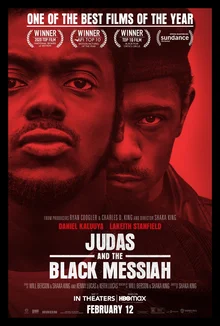
In the landscape of contemporary cinema, Judas and the Black Messiah stands out not only for its riveting storytelling but also for its powerful exploration of themes that resonate deeply within American society. Directed by Shaka King, this film represents a significant entry in the canon of politically charged cinema, aligning itself with works that have sought to shine a light on racial injustice and activism. King, who has carved out a nuanced narrative style in his previous projects, utilizes this opportunity to delve into the harrowing and intimate story of Fred Hampton, a prominent member of the Black Panther Party, and the betrayal that led to his tragic demise.
Critics have widely praised Judas and the Black Messiah for its electrifying performances and stellar direction, citing its gripping portrayal of the political struggle faced by marginalized communities in the 1960s. The film captures the fierce determination of the Black Panther Party as they fought against systemic racism, positioning Hampton as a visionary leader whose life was snuffed out by betrayal from within. The character of William O'Neal, portrayed with remarkable depth by Lakeith Stanfield, embodies the conflict between self-preservation and the ideals of activism. His role as an FBI informant serves as a poignant reminder of the sacrifices made by those fighting for justice.
The critical consensus highlights the film's unflinching gaze at the brutality of racial injustice and the internal complexities of activism. By framing Hampton's story amidst the tumultuous backdrop of 1960s America, King evokes a sense of urgency that feels boundless in its relevance. The film is described as both coolly detached and intensely emotional, navigating the fine line between the personal and political with remarkable clarity. Viewers are left to grapple with the emotional weight of O'Neal's choices, creating a compelling narrative that resonates beyond its historical context.
Judas and the Black Messiah serves as both a testament to a pivotal moment in civil rights history and a reflection on the continuing political struggles faced by Black communities today. Its award-worthy performances, coupled with a powerful score and stunning cinematography, create a rich tapestry that honors Hampton's legacy while reflecting on the painful realities of betrayal and loyalty. As audiences digest this intense portrayal, the film prompts necessary conversations about the implications of betrayal, the price of activism, and the systemic forces that continue to shape the landscape of racial injustice in America.