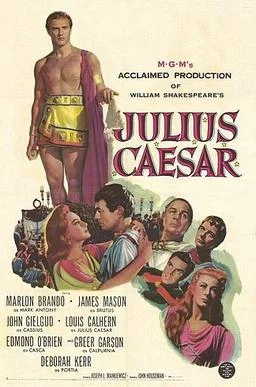
In the context of cinema history, Julius Caesar holds a significant place as not merely a film adaptation of Shakespeare's play but as an exploration of themes that resonate deeply within political discourse. Directed by Joseph L. Mankiewicz, this 1953 film stands out for its star-studded cast, featuring notable actors such as Marlon Brando, James Mason, and John Gielgud, whose performances add a gravitas that elevates the source material. Mankiewicz, known for his keen understanding of character-driven narratives, utilizes the grandeur of the story to illuminate the intricacies of ambition and betrayal that define political struggles. This film further solidifies his reputation for turning classic literature into accessible and compelling cinema.
The critical consensus surrounding Julius Caesar points to a display of intense emotional and intellectual engagement with Shakespearean themes. The cinematographic choices reflect a meticulous attention to the original text while providing a visual landscape that enhances the narrative's complexity. Reviewers praise Mankiewicz for his ability to navigate the heavy political intrigue inherent in the story, making it relevant to audiences of his time and beyond. The portrayal of Julius Caesar's rise and tragic downfall serves as a call to reflect on the nature of power and the personal ambitions that often lead to destruction, an evergreen issue in both historical and modern contexts.
Central to the film's impact is its exploration of betrayal, which is intricately woven into the narrative fabric. The alliances and enmities among characters evoke a palpable tension, echoing real historical events that have shaped political realities throughout time. The betrayal of Caesar by his friends, particularly by Brutus, serves as a poignant reminder of how personal relationships can be impossibly entangled with political goals. Mankiewicz effectively captures this moral quandary, rendering the film not just a historical recount but a timeless examination of the human condition, ambition, and the devastating consequences of trust misplaced.
Moreover, the film’s star-studded ensemble, with its powerful performances, enhances the intensity of the story. Marlon Brando's portrayal of Marc Antony is particularly noteworthy, filled with charisma and a façade of loyalty that conceals underlying ambition. This tension between appearance and reality, loyalty and treachery, plays out against the backdrop of a crumbling Republic, further highlighting the cinematic portrayal of Shakespeare's work as a microcosm of the larger political dynamics at play in any era. In this light, Julius Caesar reveals itself as not only a retelling of a historical tragedy but a reflection of the persistent moral dilemmas faced by those in power.
Ultimately, the film stands as a testament to the enduring relevance of Shakespeare's themes through an intense examination of ambition and the stark realities of betrayal. Together with Mankiewicz's direction and the extraordinary performances, Julius Caesar continues to resonate, inviting viewers to question the nature of power and the fragility of political alliances even in modern times. This masterful adaptation remains a vital part of cinematic history, marking a successful bridge between classic literature and the art of film.