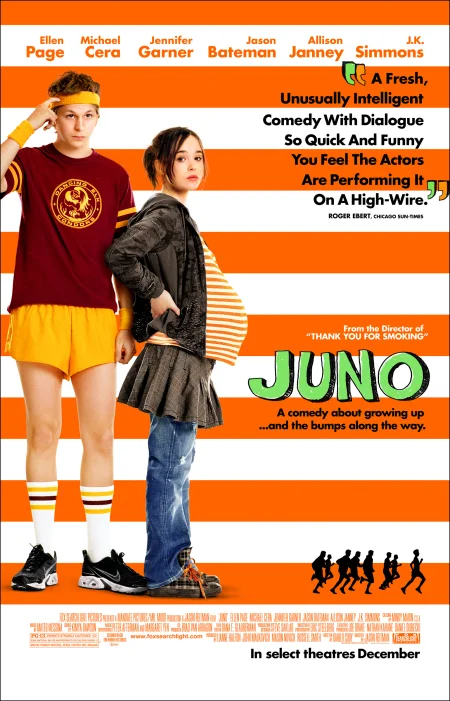
In the landscape of contemporary cinema, Juno, directed by Jason Reitman and released in 2007, stands out as a seminal work that deftly navigates the complexities of teenage pregnancy and familial relationships. As a directorial follow-up to Reitman's debut, Thank You for Smoking, Juno showcases his ability to blend sharp wit with sensitive storytelling. This film not only solidified Reitman’s place in Hollywood but also marked a significant milestone in the careers of its lead actors, particularly Ellen Page (now Elliot Page), who delivers a tour de force performance that is at once humorous and profoundly touching.
At the heart of Juno lies the theme of teenage pregnancy, tackled with a refreshing honesty that eschews melodrama in favor of genuine emotion and humor. Critics have praised its unique approach to what is often perceived as a heavy topic, celebrating the film's ability to infuse levity into moments of great seriousness. The script, penned by Diablo Cody in her screenwriting debut, is lauded for its smart and quirky dialogue, which resonates with both the youthful protagonist’s struggles and the broader issues of adoption and family dynamics.
The characters in Juno are intricately drawn, each embodying various responses to the unexpected challenges of life. From Juno's supportive yet unconventional father to the emotionally conflicted couple seeking to adopt her child, the film portrays a rich tapestry of relationships. Critics note that these dynamics reflect not only the complexity of family life but also the humor that can emerge even in the most trying times. By balancing these elements, Juno transcends traditional coming-of-age narratives and invites viewers to consider the multitude of ways people navigate personal crises.
Moreover, Juno tackles the often fraught subject of adoption with a nuanced perspective that advocates understanding and compassion rather than judgment. The film encourages audiences to view pregnancy and adoption as multifaceted experiences rather than simplistic dilemmas. This commitment to presenting diverse viewpoints makes Juno not just a story about a teenage girl, but a broader commentary on societal expectations and the realities of maternal choices.
In summary, Juno is a film that resonates deeply with its audience through its heartfelt humor, smart writing, and perceptive insights into adolescent life. As an original work that combines warmth with wit, it remains a touchstone in discussions around teenage pregnancy and family dynamics. Reitman’s adept direction and Cody’s sharp screenplay create a lasting legacy that continues to inspire and provoke thought, ensuring that Juno holds an essential place in both cinematic history and the fabric of popular culture.