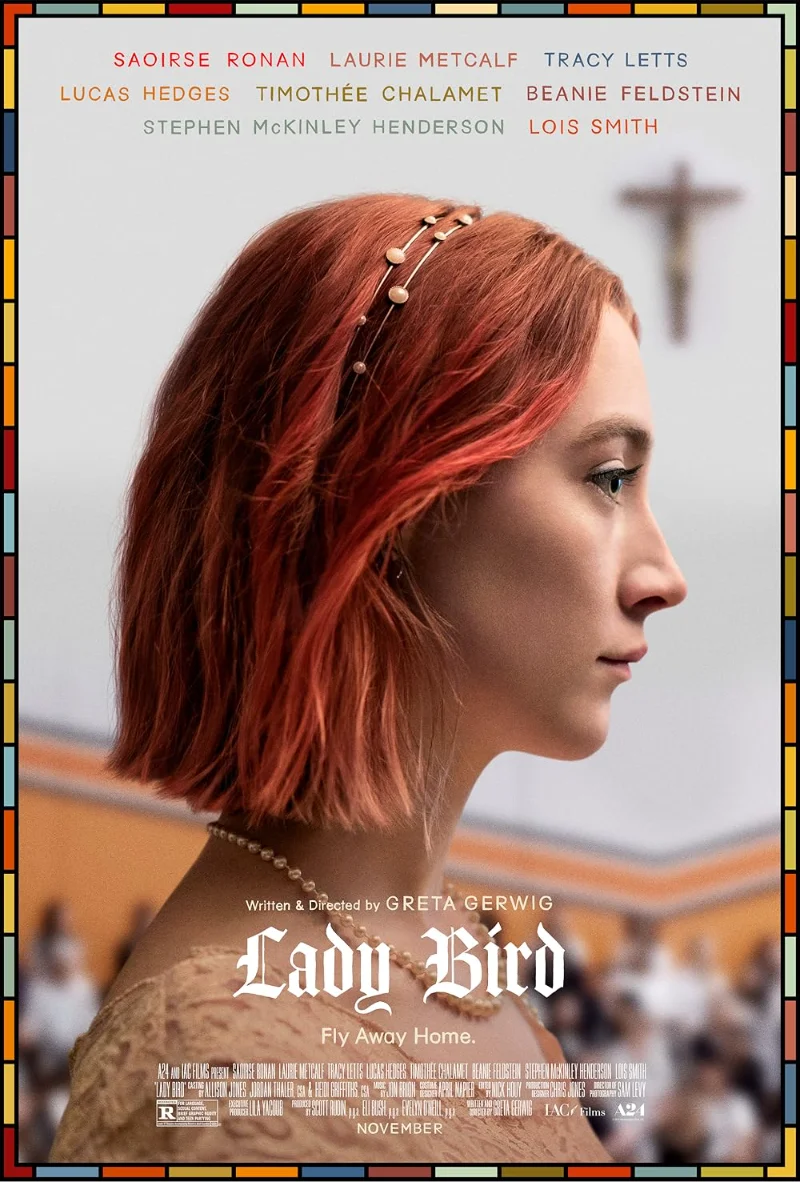
In the landscape of contemporary cinema, Lady Bird stands as a poignant exploration of adolescence, deftly crafted by director Greta Gerwig. This semi-autobiographical film not only marks Gerwig's directorial debut but also serves as a significant entry into the coming-of-age genre, echoing personal and universal themes of growing up. Gerwig's unique voice and intimate storytelling imbue the film with warmth and authenticity, allowing it to resonate with audiences on a profound level. The film's release in 2017 was timely, capturing the complexities of young womanhood in an increasingly polarized society, thereby carving out its own space in cinematic history.
At the heart of Lady Bird is the intricate relationship between Christine "Lady Bird" McPherson and her mother, Marion. This mother-daughter dynamic is not only the emotional core of the film, but it also reflects the broader theme of self-discovery. The tension and love shared between them are portrayed with remarkable nuance, illustrating the bittersweet struggle of familial bonds. Critics have praised the film for its authentic portrayal of this relationship, whereby moments of conflict are interspersed with heartfelt connections, showcasing the inevitable turbulence of growing up and navigating one’s identity amidst familial expectations.
As Lady Bird navigates her final year of high school, the film encapsulates the myriad experiences that shape a young person's journey toward self-awareness. Gerwig masterfully illustrates the blend of joy and melancholy that defines adolescence, wherein every triumph comes coupled with a sense of loss. The film's humor, delivered with a sincere wit, serves as a reminder that the path to self-discovery is fraught with awkwardness and missteps, yet deeply rewarding. Each character, from friends to love interests, contributes to Lady Bird's formative experiences, allowing the audience to witness her evolution from a self-proclaimed "Lady Bird" to a young woman ready to embrace her future.
Critics consistently laud Lady Bird for its heartfelt storytelling and ability to convey authentic emotions. The performances, especially by Saoirse Ronan and Laurie Metcalf, breathe life into the characters, rendering them relatable and compelling. This authenticity, coupled with Gerwig's deft direction, elevates the film beyond typical coming-of-age narratives. The film does not shy away from the complexities of love, ambition, and disappointment, making it a rich tapestry of experiences that invites viewers to reflect on their own paths to self-discovery.
In a broader context, Lady Bird serves as a landmark in Gerwig's body of work, positioning her as a vital voice in modern filmmaking. With its blend of warmth, wit, and emotional depth, the film encapsulates the essence of growing up, revealing the intricacies of relationships that define our formative years. As audiences continue to relate to Lady Bird’s journey, this film solidifies its place not just in the realm of film history, but in the hearts of those who have experienced the messy, beautiful chaos of growing up.