Career Overview
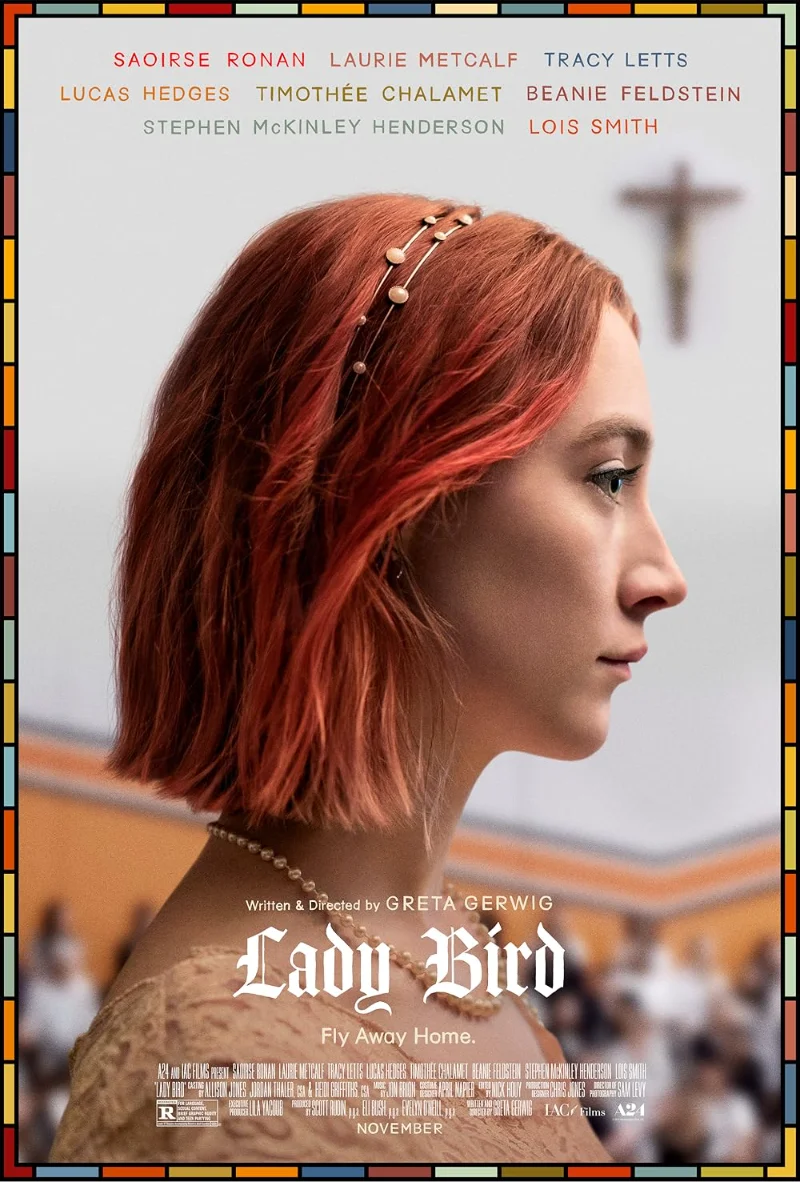
Greta Gerwig transitioned from a prominent figure in the independent film movement, functioning as an actress and collaborator on projects like Frances Ha, to a defining voice in contemporary American cinema as a solo director. Her directorial debut, Lady Bird, set in early 2000s Sacramento, firmly established her as a filmmaker capable of synthesizing deeply personal narratives with universally resonant themes. By exploring the turbulent landscape of adolescence, she immediately showcased her singular ability to craft cinema that feels simultaneously intimate and expansive.
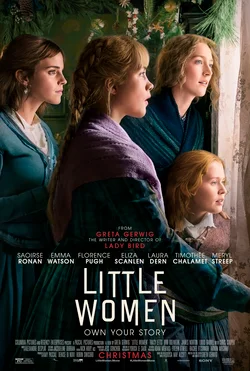
Following the critical success of her debut, Gerwig boldly undertook the adaptation of a canonical text with Little Women. By reimagining Louisa May Alcott's novel, she proved her capacity to handle expansive historical pieces without sacrificing the idiosyncratic charm and bracingly current dialogue that characterized her earlier independent work. This leap from a localized coming of age story to a celebrated historical drama demonstrated a rapid, assured maturation of her directorial vision.
Her trajectory represents a crucial evolution in the modern cinematic landscape, marking a shift toward narratives that prioritize female interiority, artistic ambition, and authentic emotional experiences. Through just two meticulously crafted features in our database, Gerwig has carved out a unique space for herself, blending the melancholy undertones of independent cinema with the sweeping, heartfelt storytelling of classical Hollywood.
Thematic Preoccupations
A pervasive thematic preoccupation in the work of Greta Gerwig is the rigorous exploration of female journeys of self discovery. In Lady Bird, this journey is highly localized and contemporary, examining the friction between a high school senior and her surroundings in California. In Little Women, the canvas broadens to 19th century Massachusetts, yet the core inquiry remains identical. The March sisters navigate the transition into womanhood while attempting to preserve their individuality against societal expectations.
Central to these narratives of female empowerment is the complex, often fraught dynamic of family bonds, particularly mother-daughter relationships and sisterhood dynamics. Gerwig eschews simplistic portrayals of familial discord, instead rendering these connections with authentic emotional depth. The tension between Lady Bird and her mother reflects a profound, unspoken love marred by economic anxiety and generational misunderstandings. Similarly, the fierce sisterhood in Little Women operates as both a nurturing sanctuary and a site of competitive friction, reinforcing the characters to splendid effect.
Furthermore, Gerwig consistently interrogates the theme of artistic ambition and its economic realities. Her protagonists are creators, whether it is Jo March striving to publish her writing or Lady Bird seeking to craft a new identity and escape to a culturally rich college on the East Coast. These aspirations are frequently shadowed by melancholy undertones and themes of atonement, as the characters must reconcile their fierce independence with the inevitable compromises adulthood demands.
Stylistic Signatures
Greta Gerwig employs a highly specific stylistic vernacular that balances light-footed pacing with nuanced character development. Her films exhibit an unmistakable charm, driven by a bracingly current approach to dialogue that feels spontaneous yet is meticulously scripted. This linguistic rhythm gives her films a vibrant, chaotic energy that mirrors the restless minds of her youthful protagonists. Her characters frequently speak over one another in a rapid cadence, generating a texture of warmth and humor that grounds the drama in a recognizable reality.
Visually, Gerwig favors a cozy atmosphere that is nevertheless capable of accommodating grand emotional gestures. In Little Women, she utilizes an innovative approach to timeline construction, cross-cutting between the warm, golden memories of childhood and the colder, starker realities of adulthood. This structural daring elevates the timeless narrative, allowing the editing rhythm to become a thematic tool that emphasizes the fleeting nature of youth and the poignant clarity of hindsight.
Her mise en scene is meticulously detailed, designed to evoke a strong sense of place and personal history. Whether capturing the nostalgic streets of early 2000s Sacramento in Lady Bird or the cluttered, art filled domesticity of the March household in Little Women, the environments are treated as extensions of the characters themselves. This careful attention to production design and costuming ensures that the authentic emotional experiences of the characters are deeply rooted in their physical worlds.
Moreover, Gerwig balances the heartfelt storytelling with subtle melancholy undertones through her thoughtful use of framing. Her camera often lingers on faces in moments of quiet revelation, contrasting the rapid dialogue with sudden, profound silences. By intertwining energetic communal scenes with solitary moments of reflection, she visually articulates the tension between belonging and the pursuit of independence.
Recurring Collaborators
The realization of Gerwig's cinematic vision relies heavily on a dedicated troupe of recurring actors who possess the exact frequency required for her specific tone. Most essential to her filmography is Saoirse Ronan, who serves as Gerwig's on screen surrogate and primary muse across both Lady Bird and Little Women. Ronan brings a raw and endearing quality to these roles, adeptly navigating the bracingly current dialogue and complex emotional shifts required to anchor these journeys of self discovery. Critics have noted that Ronan's work under Gerwig's direction yields sensational results, reminiscent of her breakout performance in Atonement.
Timothee Chalamet stands as another crucial collaborator, providing a distinct, charismatic counterpoint to Ronan's fierce protagonists in both films. In Lady Bird, he embodies a detached, intellectual posturing that challenges the protagonist's earnestness. In Little Women, his portrayal of Laurie offers a more tragic, romantic foil to Jo March, emphasizing the thematic complexities of love and artistic ambition. The dynamic chemistry between Ronan and Chalamet has become a defining stylistic signature of Gerwig's early directorial output.
Furthermore, the inclusion of veteran actors like Tracy Letts in both films grounds the youthful energy of the central casts with profound gravitational weight. Letts brings a quiet, enduring warmth to the father figures he portrays, offering a stabilizing presence amidst the chaotic sisterhood dynamics and fraught mother-daughter relationships. These recurring cast members function as a familial repertory company, allowing Gerwig to cultivate authentic emotional experiences and a deeply lived in atmosphere on screen.
Critical Standing
Greta Gerwig has rapidly established herself as a darling of contemporary film criticism, earning a reputation for crafting films that feel both deeply personal and universally relatable. Her directorial debut, Lady Bird, was met with near unanimous acclaim, frequently compared favorably to other defining coming of age narratives like The Edge of Seventeen. Reviewers praised her distinct, one of a kind voice, noting how she successfully transcended the tropes of the genre to deliver a work bursting with warmth, wit, and melancholy.
With Little Women, Gerwig proved that her critical success was no anomaly, successfully transitioning from independent, contemporary stories to beloved historical literature. Critics championed the film as a superb, blissful, and innovative screen adaptation, with publications like Empire Magazine declaring it the definitive big screen version of Louisa May Alcott's novel. The Guardian lauded it as the freshest, most light-footed literary adaptation, comparing her deft tonal balance to Armando Iannucci's take on David Copperfield.
Today, Gerwig occupies a prestigious space in the critical discourse surrounding modern American cinema. Her ability to synthesize strong, unmistakable messages of female empowerment with splendid storytelling has made her a central figure in discussions about the evolution of the female gaze in Hollywood. Critics continually celebrate her masterful handling of complex mother-daughter relationships and her nuanced character development, solidifying her status as a generational talent who seamlessly bridges the gap between independent sensibilities and mainstream cinematic appeal.