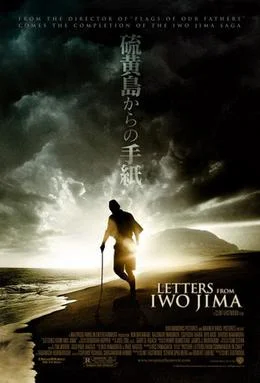
Clint Eastwood's Letters from Iwo Jima stands as a significant entry in both his directorial oeuvre and the broader narrative of war cinema. Released in 2006, this film provides a distinctly Japanese perspective on World War II, complementing its predecessor Flags of Our Fathers, which approached the same battle from the American viewpoint. By focusing on the individual experiences of Japanese soldiers rather than portraying them merely as opponents, Eastwood challenges the traditional war film narrative and emphasizes the often overlooked grief and humanity amid the horror of battle.
Critical reception of Letters from Iwo Jima reveals a consensus that recognizes the film's intimate and empathetic exploration of wartime courage and vulnerability. Reviewers have noted Eastwood's ability to weave a narrative that, while grim, is deeply humanized through its character-driven storytelling. The film invites viewers to witness the stark realities of war through the eyes of those deemed expendable by the mechanized military bureaucracy. This approach fosters a sense of empathy, positioning Japanese soldiers not merely as antagonists but as individuals grappling with the futility of their circumstances and the harsh realities of a brutal conflict.
The overarching themes of heroism and the socioeconomic divides that influence soldiers’ lives are also vividly illuminated. Eastwood portrays soldiers as flawed and relatable figures, navigating the pressures of duty and survival in a system that often values them as numbers rather than human beings. The film's dramatic storytelling underscores the nuanced nature of bravery, illustrating how personal courage emerges in desperate and intimate moments rather than through grandiose displays. By showing the ins and outs of their harrowing experiences, Eastwood fosters a narrative that resonates with universal truths about human suffering and resilience.
While some critics have described the film as lacking flair or passion, it maintains a forthright and subtle approach that allows its dramatic weight to unfold naturally. This lack of ostentation in filmmaking, characterized by its boots-on-the-ground realism, contrasts sharply with the more glamorous representations found in many war narratives. In doing so, Letters from Iwo Jima elevates itself through its focus on the everyday realities faced by soldiers, marking a departure from glorified depictions of warfare. The intimate portrayal of individual soldiers not only enriches the narrative but also serves as a stark reminder of the shared humanity that exists even amidst the chaos of war.
Ultimately, Letters from Iwo Jima is not just a war film; it is a contemplative meditation on the nature of conflict itself. It compels viewers to reconsider the concept of heroism within the theater of war, advocating for a more generous understanding of those caught in its crossfire. As Eastwood invites audiences to contextualize the battle within personal stories of loss and resolve, he reaffirms the notion that in war’s tragedy, the line between friend and foe can often be as blurred as it is stark. In this way, Eastwood's work resonates with contemporary audiences, making a lasting impact on the discourse surrounding war and its representation in film.