Career Overview
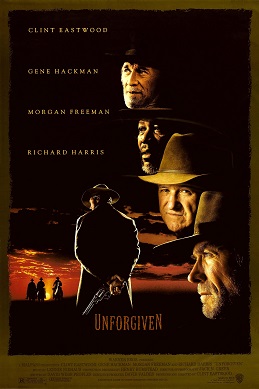
Clint Eastwood occupies a singular space in the American cinematic landscape, having transitioned from a stoic screen icon to a profoundly influential auteur. His directorial career reflects a remarkable evolution, moving from the shadow of his genre defining acting roles into a period of deep introspection and formal mastery. By the time he directed Unforgiven in 1992, Eastwood had fully synthesized the lessons of his cinematic mentors, establishing himself as a filmmaker capable of deconstructing the very mythologies he helped build during his youth.
The trajectory of Eastwood as a director is marked by a persistent demystification of the American hero. His early decades behind the camera were often viewed as competent extensions of his on screen persona, but his mature period revealed a director of immense gravity and classical restraint. This later era, characterized by an elegiac atmosphere, cemented his reputation as a storyteller interested in the moral decay and tragic twilight of archetypal figures.
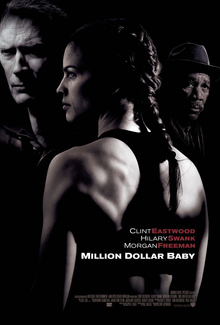
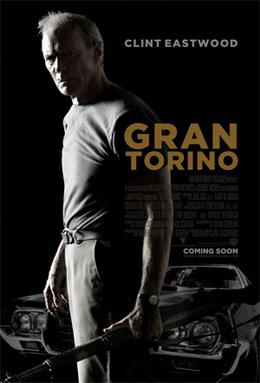
Moving into the 21st century, films like Million Dollar Baby and Gran Torino demonstrated his continued capacity for both commercial resonance and rigorous artistic exploration. He consistently tackled narratives that allowed him to reflect on his own aging cinematic image, portraying men out of time who must confront a modernizing world. Consequently, his filmography stands as a vital bridge between the classical Hollywood tradition and contemporary revisionist cinema.
Thematic Preoccupations
The thematic bedrock of Eastwood's mature filmography is an unrelenting examination of redemption and the inescapable weight of past violence. His protagonists are frequently aging men who carry the profound burden of their historical transgressions, seeking absolution in a world that offers little grace. In Unforgiven, this manifests as a meditation on the moral cost of killing, stripping away the romantic veneer of the Western genre to expose a bleak, nihilistic reality governed by raw violence and elusive justice.
Closely tied to this quest for redemption is the recurring motif of mentorship and sacrifice. Eastwood frequently explores the dynamics between weathered, cynical elders and naive proteges who represent a chance for vicarious salvation. Million Dollar Baby encapsulates this dynamic, framing the relationship between an aging fight trainer and a determined female boxer as a profound bond that ultimately demands an unbearable personal sacrifice. The boxing themes serve merely as a backdrop for a much deeper exploration of determination and moral obligation.
Furthermore, the concept of a cultural clash frequently permeates his narratives, highlighting the tension between archaic codes of honor and shifting societal landscapes. Gran Torino examines this friction directly, as an embittered Korean War veteran is forced to navigate his prejudices when confronting the reality of his immigrant neighbors. Through these intersecting themes of aging, morality, and cultural displacement, Eastwood constructs a cohesive philosophical worldview that interrogates the fundamental contradictions of American masculinity.
Stylistic Signatures
Eastwood's directorial approach is defined by a magisterial, unadorned visual style that prioritizes elegant storytelling over ostentatious technique. His framing is deeply classical, utilizing deliberate pacing and a patient camera to cultivate a tone of lyrical stoicism. This aesthetic restraint creates an immersive environment where the psychological weight of the narrative is allowed to breathe, resulting in a deeply involving and poignant storytelling experience.
The cinematography in his works frequently employs stark contrasts and a muted color palette to reflect the somber, gritty tone of his narratives. In Unforgiven, the immaculate cinematography mirrors the passing of an era, utilizing vast, unforgiving landscapes juxtaposed against heavily backlit, claustrophobic interiors. This deliberate visual construction emphasizes the isolation of his protagonists and the shadowy moral ambiguity of their actions, rooting his images in a pitiless realism.
Sound and performance are equally vital components of his stylistic signature. Eastwood famously cultivates a quiet and efficient set, which translates into performances of immense subtlety and naturalism. The dialogue in his films is often spare, allowing heartfelt emotion and rueful grace to emerge through silence and physical presence. Combined with melancholic, acoustic musical scores, this approach generates an atmosphere that is simultaneously rough hewn and profoundly sentimental.
Recurring Collaborators
The most central figure in Eastwood's directorial filmography is undoubtedly Eastwood himself. By directing and starring in works like Unforgiven, Million Dollar Baby, and Gran Torino, he actively converses with his own cinematic legacy. His performances in these films serve as a master class in subtlety, utilizing his iconic screen presence to deconstruct the very archetypes he popularized. This dual role of creator and subject grants his films a unique, highly self reflexive resonance.
Beyond his own performances, Eastwood's partnership with Morgan Freeman stands out as a critical element of his most celebrated works. Freeman brings a distinct gravitas and warmth to the bleak landscapes of Eastwood's cinema, providing a vital moral anchor and a voice of philosophical reflection. Their collaborations in Unforgiven and Million Dollar Baby are defined by an effortless chemistry, grounding the complex narrative structures with deep, true emotions and immense grace.
It is also essential to acknowledge the unseen collaborators whose influence permeates his work, specifically his cinematic mentors Sergio Leone and Don Siegel. Eastwood explicitly dedicated Unforgiven to these two filmmakers, acknowledging their foundational role in shaping his understanding of visual economy and genre mechanics. While they do not physically appear in his films, their stylistic DNA is deeply embedded in his approach to pacing, framing, and narrative tension.
Critical Standing
The critical reception of Clint Eastwood has undergone a fascinating evolution, transforming him from a popular genre star into a universally revered auteur. Early in his career, critical circles often dismissed his work as purely commercial, but the release of Unforgiven marked a definitive year of reckoning. Critics universally hailed the film as a masterpiece of great moral complexity, recognizing it as a revisionist revenge film that dragged the Western genre into the complexities of the modern era.
This critical elevation was further solidified by his subsequent output, which consistently demonstrated a masterful control of tone and narrative structure. Reviewers have frequently praised his ability to balance pitiless realism with heartfelt sentimentality, a duality most evident in Million Dollar Baby. Critics lauded the film as a magisterial work, noting that it possessed the nerve to subvert genre expectations while delivering a profoundly touching emotional experience. Scholars often draw comparisons between his mature films and foundational texts like The Searchers, as well as his own earlier work in High Plains Drifter and Sergio Leone's Spaghetti Westerns, recognizing a deliberate dialogue with cinema history.
Today, Eastwood is firmly positioned as an undisputed elder statesman of American film. His late career works, such as Gran Torino, are celebrated for their timely, resonant themes and bold characterizations. Critics continually note the thought provoking nature of his elegant storytelling, cementing his legacy as a filmmaker who utilized classical Hollywood techniques to conduct a rigorous, career long autopsy of the American soul.