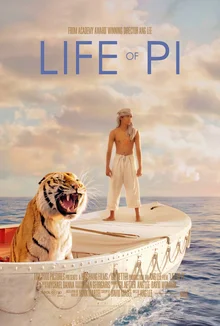
Directed by Ang Lee, Life of Pi (2012) stands as a significant milestone in cinema, blending visual artistry with deep philosophical inquiry. Anchored by Lee's mastery in storytelling, the film emerges from a director celebrated for his versatility and emotional depth. Previous works such as Crouching Tiger, Hidden Dragon and Brokeback Mountain established Lee as a filmmaker committed to exploring the complexities of human experience. Life of Pi pushes these explorations further into the realm of the spiritual and existential, showcasing both the miracle of survival in dire circumstances and a meditation on faith in an unforgiving universe.
Critics have universally praised Life of Pi for its stunning visual achievements, marveling at the film's ability to marry digital effects with a narrative that teeters on the edge of magic realism. The film invites viewers into a poetic and grand aesthetic, where a young boy and a Bengal tiger share a lifeboat in the vastness of the ocean. This visual mastery serves not merely as spectacle but as a vessel for the profound spiritual journey that Pi undergoes, confronting the depths of loneliness and the quest for meaning amidst chaos. While many have praised its enchanting imagery as it draws parallels to cinematic legends like Lawrence of Arabia and Robinson Crusoe, there are some dissenting voices that find fault in its more metaphysical aspirations.
At the heart of Life of Pi is an exploration of existentialism that arrives at themes of faith, survival, and the stories we tell ourselves to find meaning in life. The narrative's tension, the struggle between Pi's corporeal existence and his spiritual aspirations, creates a dialogue around belief systems and the nature of reality. Critics have noted how the film encapsulates the essence of a spiritual voyage, revealing the human condition's fragile yet miraculous resilience when faced with insurmountable odds. Pi's harrowing journey on the lifeboat acts as both an adventure and a profound quest that encapsulates an individual's struggle to retain faith in the divine amidst suffering.
Amidst its rich thematic development, Life of Pi has sparked conversations surrounding its ending, often described as exasperating or shallow in its implications. This divide raises compelling questions about the nature of truth and belief within the narratives we embrace. For some, the conclusion resonates as a moving spiritual achievement, an invitation to choose one's own reality and truth. For others, it can feel like a retreat into self-importance, perplexing rather than enlightening. This dichotomy represents a broader commentary on how individual perspectives can render even the most visually astonishing works either profoundly affecting or frustratingly elusive.
In summary, Life of Pi has cemented itself as not only one of the best films of the year but as a profound exploration of the human spirit in its quest for meaning. Lee’s film boldly delves into the interplay between magic and realism, survival and surrender, crafting an experience that challenges viewers to confront their own beliefs and existential inquiries. Through its masterful visuals and philosophical undertones, Life of Pi remains a grand testament to cinema's power to convey the depths of human experience and the transformative nature of storytelling.