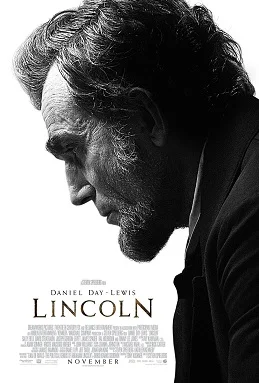
In Lincoln, Steven Spielberg crafts a poignant exploration of one of America’s most turbulent periods, skillfully intertwining political strategy, personal sacrifice, and moral complexity. The film is set against the backdrop of the closing months of the American Civil War and the critical congressional push to pass the Thirteenth Amendment. This cinematic entry is representative of Spielberg’s broader oeuvre, which often delves into the intersection of personal and historical narratives, yet here he adopts a notably restrained and un-showy style. Unlike his earlier epics, Lincoln focuses intimately on the character of Abraham Lincoln, portrayed with stunning depth by Daniel Day-Lewis, revealing the man behind the myth rather than presenting a conventional biopic.
Critics have lauded Lincoln for its dense narrative and masterful maneuvering among complex political landscapes. The film eschews grandiosity, instead opting for a subtle dramatic pace that allows the moral nuances of Lincoln’s decisions to emerge gradually. This approach encourages viewers to engage deeply with the intricate political strategies at play, as Lincoln navigates a divided congress where even allies can become obstacles. Through dialogues and intense discussions, Spielberg paints a portrait of a leader grappling with the impossible choices inherent in governance, reflecting on the profound personal sacrifices required in pursuit of a morally just outcome.
The movie's thematic emphasis on political maneuvering is both a historical recount and a relevant commentary on contemporary politics, echoing the cyclical nature of governance where the struggle for rights and equality remains unresolved. The film captures the weight of Lincoln's responsibility, revealing how personal ambition and public duty often collide. Spielberg depicts the complexities of leadership, where moral clarity is frequently obscured by the messy realities of human ambition and frailty, rendering Lincoln a deeply relatable figure.
While some critiques find the pacing uneven, the film’s strong performances and thoughtful script anchored in historical context resonate powerfully. Lincoln takes a bold stance by focusing more on dialogue than action, creating an interior world where every conversation holds gravitas and meaning. The beautifully constructed scenes convey not only the historical significance but also the emotional stakes for all involved, enhancing the moral complexity of each decision.
In this significant chapter of American history, Spielberg’s Lincoln is both an homage to an iconic leader and a meditation on the sacrifices made for the ideals of freedom and equality. The film stands as a testament to the nuanced challenges faced by those in positions of power and the enduring legacy of Lincoln’s presidency. Through its restrained yet impactful storytelling, Lincoln invites reflection on the past while prompting dialogue about our present, affirming that the struggles of governance, morality, and human rights are timeless.