Career Overview
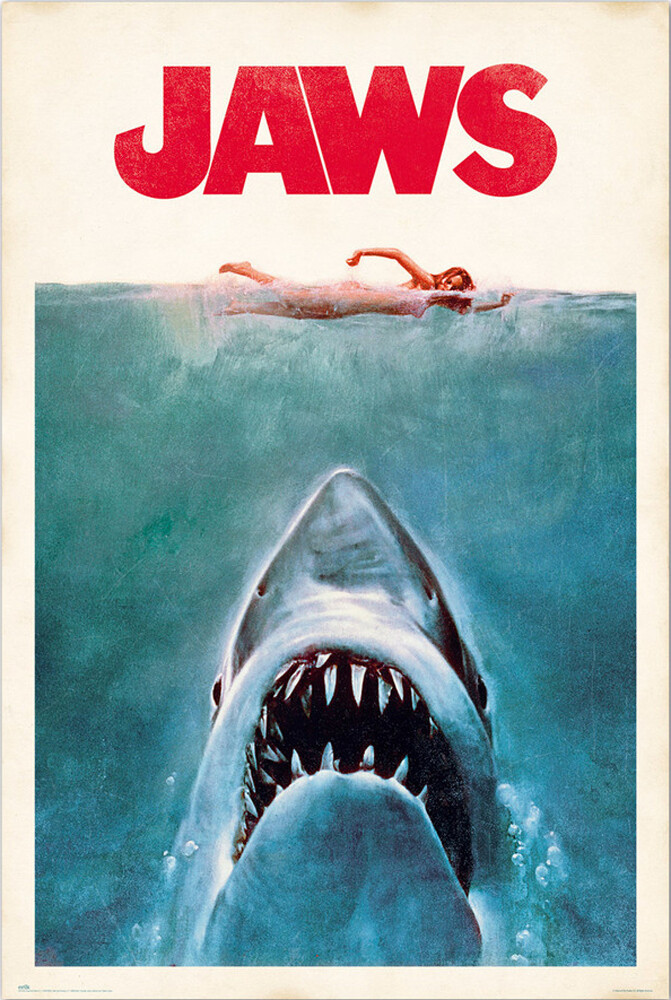
Steven Spielberg occupies a foundational position in modern cinema history. His career trajectory represents a definitive bridge between the New Hollywood movement of the seventies and the contemporary era of blockbuster filmmaking. Beginning with his breakout aquatic thriller Jaws in 1975, Spielberg established a paradigm for commercial cinema that prioritized high concept narratives, relentless suspense, and massive audience engagement. This early success granted him unprecedented creative latitude, which he utilized to shape the cultural imagination of the late twentieth century.
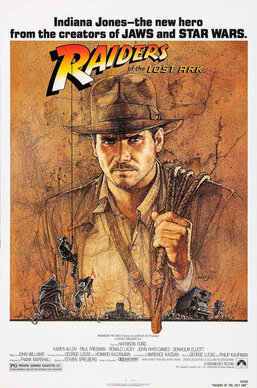
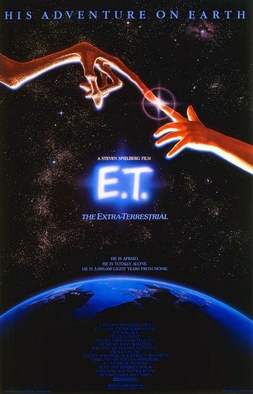
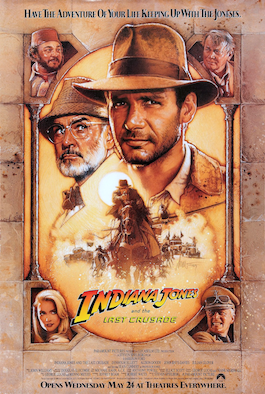
Throughout the eighties, Spielberg solidified his reputation as a master of popular entertainment. Films like Raiders of the Lost Ark and E.T. the Extra-Terrestrial showcased his extraordinary ability to meld spectacular visual storytelling with deeply resonant emotional cores. His work during this period defined the aesthetics of the modern adventure film, relying heavily on nostalgia and classic Hollywood tropes while pioneering new frontiers in special effects. By the time he directed Indiana Jones and the Last Crusade in 1989, his name was synonymous with a specific brand of American cinematic escapism.
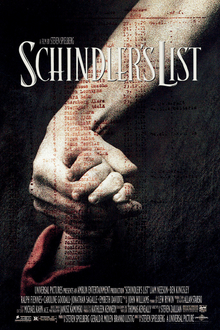
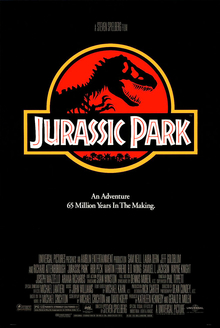
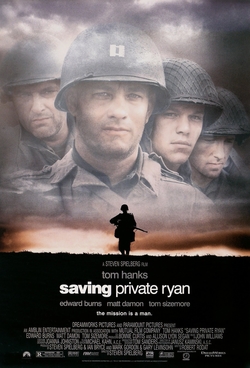
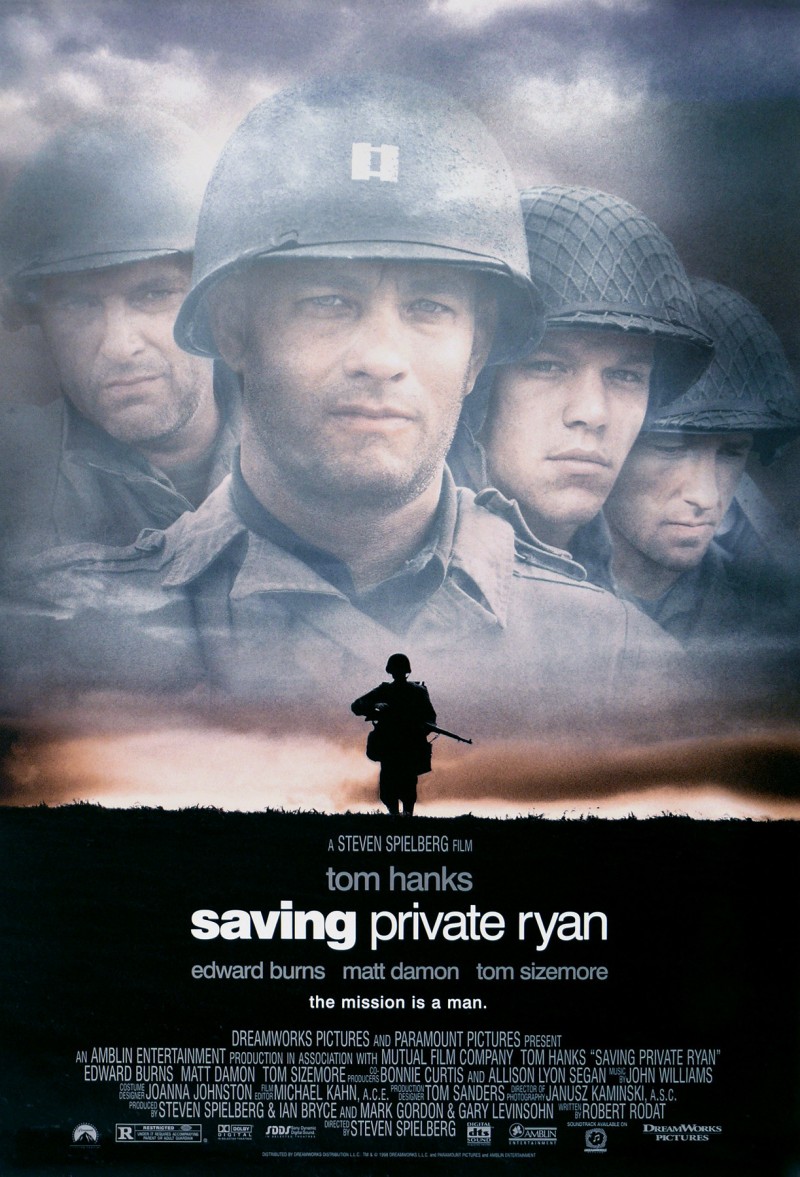
In the nineties, Spielberg executed a remarkable pivot toward historical gravity without abandoning his populist sensibilities. The year 1993 stands as a microcosm of his dual artistic identities, as he released both the technological marvel Jurassic Park and the harrowing Holocaust drama Schindler's List. This evolution continued with the brutal, uncompromising combat realism of Saving Private Ryan in 1998. Entering the new millennium, Spielberg demonstrated a breezy, sophisticated rejuvenation with Catch Me If You Can, proving that his directorial range could seamlessly encompass kinetic capers, historical tragedies, and nostalgic adventures.
Thematic Preoccupations
A dominant preoccupation across the filmography of Steven Spielberg is the fracture and attempted restoration of the nuclear family, most visibly manifested in the father and son dynamic. This theme operates as the emotional engine in seemingly disparate genres. In Indiana Jones and the Last Crusade, the global quest for religious artifacts is ultimately subordinated to the reconciliation of a distant patriarch and his alienated offspring. Similarly, Catch Me If You Can frames its protagonist's elaborate deceptions and shifting identities as a direct response to familial collapse, turning a global crime spree into a desperate search for paternal validation.
Beyond domestic alienation, Spielberg frequently wrestles with the existential tension between humanity and the overwhelming forces of nature or technology. Jurassic Park serves as a cautionary exploration of scientific hubris, where the unpredictability of nature violently dismantles humanity's illusion of control. The desperate human survival depicted in this narrative echoes the man versus beast conflict of Jaws, where ordinary individuals are forced to confront primeval terrors. In both instances, characters must shed their modern complacency to survive the awe-inspiring and destructive power of the natural world.
In his historical epics, Spielberg interrogates the boundaries of morality and human endurance under extreme pressure. Works like Schindler's List and Saving Private Ryan present harrowing examinations of the brutality of war and the Holocaust. Here, the central thematic focus shifts to sacrifice and the preservation of basic humanity in the face of incomprehensible systemic violence. He asks what it means to lead under terrifying conditions, examining how ordinary men navigate profound ethical compromises when the life expectancy of those around them is terrifyingly low.
Finally, the director maintains a persistent fascination with the innocence of childhood, imagination, and the experience of alienation. E.T. the Extra-Terrestrial anchors these ideas, portraying childhood as a space of deep empathy and friendship that stands in stark contrast to an uncomprehending adult world. Whether exploring the whimsical escapades of a young con artist or a boy hiding an alien companion, Spielberg consistently returns to the perspective of youth as a lens through which to critique the cynicism of adulthood.
Stylistic Signatures
The stylistic signature of Steven Spielberg is defined by a kinetic, seamlessly constructed visual language that prioritizes audience immersion and emotional clarity. His camera movement is highly motivated, often utilizing complex blocking and fluid tracking shots to build thrilling atmospheres without relying on excessive cuts. This technique is particularly evident in the suspense building of Jaws and Jurassic Park, where the director masterfully delays the reveal of the central threat to maximize tension. Reviewers frequently note how his visual marvels are grounded in a spatial geography that keeps the action entirely legible.
Spielberg is equally renowned for his synthesis of kinetic action and character-driven humor. In adventures like Raiders of the Lost Ark and Indiana Jones and the Last Crusade, he crafts action-packed sequences that owe much to classic serials, yet they are elevated by an inherent musicality in their editing rhythms. The pacing of these films relies on a cyclical rhythm of escalating danger punctured by sudden, humorous relief. Even in a breezy caper like Catch Me If You Can, this stylish presentation keeps the narrative buoyant, marrying sophisticated 1960s aesthetics with a fast-paced, entertaining plot.
Conversely, his approach to historical realism is marked by an overwhelming, visceral intensity. The audacious battle sequences in Saving Private Ryan redefined the visual grammar of combat cinema. By utilizing handheld cameras, desaturated color palettes, and aggressive sound design, Spielberg stripped away the romanticism of earlier war films. Critics lauded the graphic dread and energy of these sequences, noting that the sweaty, traumatized faces of the soldiers provided a terrifyingly immersive experience that bypassed traditional Hollywood gloss in favor of raw, philosophical action.
Across all these modes, his orchestration of sound and music remains a crucial emotional conduit. Working closely with legendary composers, Spielberg uses sweeping orchestral scores to signify wonder, dread, or triumph. Whether it is the terrifying, primal motif of a shark attack or the swelling nostalgia of a historical drama, the auditory landscape of his films is engineered to guide the audience directly to the intended emotional register. This synthesis of image and sound allows him to communicate complex emotional shifts with unparalleled efficiency.
Recurring Collaborators
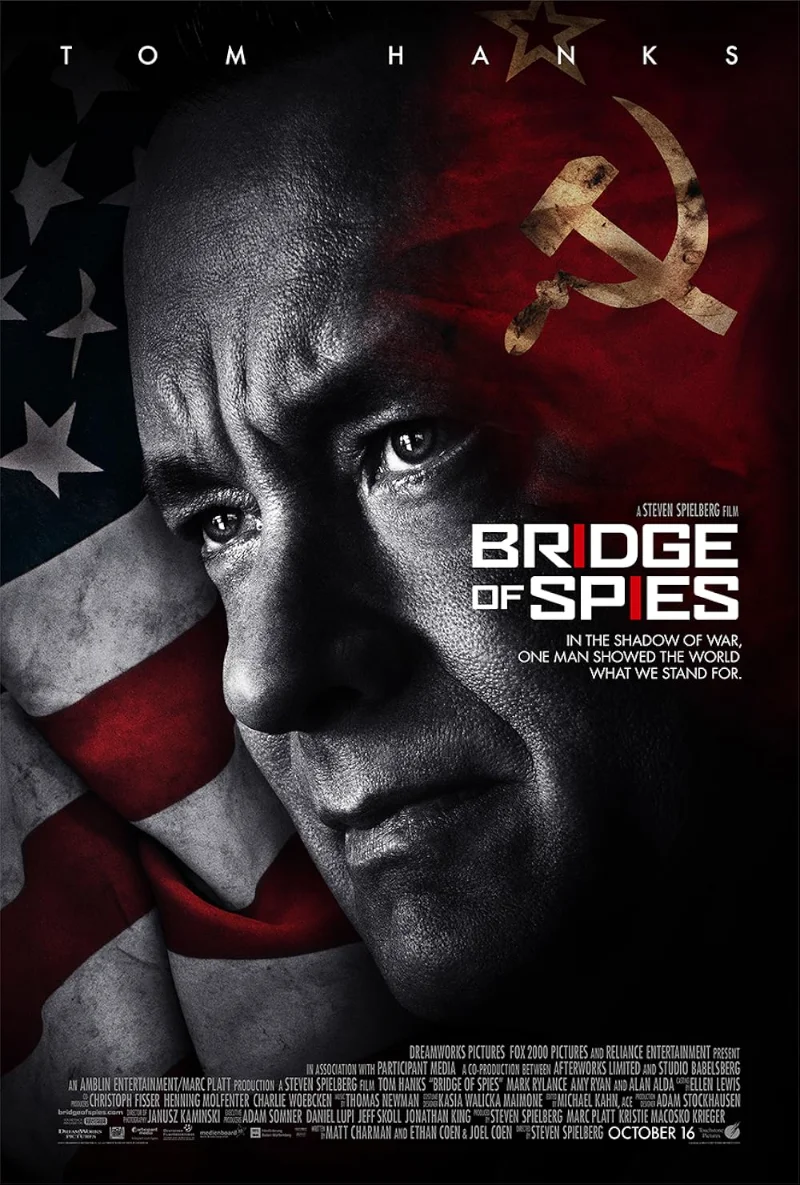
The cinematic achievements of Steven Spielberg are deeply intertwined with his strategic, long-term creative partnerships. His casting choices often favor actors who project a specific brand of American everyman decency. Tom Hanks stands as the quintessential Spielberg collaborator in this regard, anchoring three films in the provided database. In Saving Private Ryan, Hanks embodies exhausted, stoic leadership, while in Catch Me If You Can, he serves as a dogged, morally upright foil to a young trickster. Critics have compared Spielberg's ability to draw profound pathos from Hanks to the emotional resonance achieved by classic auteurs, solidifying their partnership as central to his mature period.
In his adventure narratives, Harrison Ford serves a distinctly different but equally vital purpose. Across Raiders of the Lost Ark and Indiana Jones and the Last Crusade, Ford provides the cynical, bruised charm that grounds the spectacular visual effects and fantastical plots. This ensemble dynamic is further enriched by recurring character actors like Denholm Elliott and John Rhys-Davies, who lend texture, warmth, and nostalgic continuity to the sprawling mythologies of his action-driven storytelling.
For his intense historical dramas, Spielberg relies on dedicated ensembles to create a believable fabric of camaraderie and sacrifice. The cast of Saving Private Ryan features a formidable roster of actors including Matt Damon, Tom Sizemore, Edward Burns, Barry Pepper, Adam Goldberg, Vin Diesel, and Giovanni Ribisi. The collective weight of these performers, most of whom endure the harrowing first-wave beach landings, provides the visceral human drama that elevates the film beyond mere technical spectacle. Their interplay grounds the philosophical film in the muddy, terrifying reality of brotherhood.
Finally, the presence of dynamic younger performers highlights Spielberg's affinity for narratives centering on youth and shifting identities. Leonardo DiCaprio brings breezy charm and world-beating audacity to Catch Me If You Can, perfectly capturing the energy of a teenager playing adult games. By surrounding these youthful protagonists with seasoned veterans like Hanks or Ford, Spielberg repeatedly dramatizes the generational tensions and father-son dynamics that form the bedrock of his storytelling.
Critical Standing
The critical reputation of Steven Spielberg has undergone a fascinating evolution, shifting from early skepticism regarding his commercial instincts to near-universal reverence for his mastery of the cinematic form. Following the massive success of Jaws and E.T. the Extra-Terrestrial, certain critical factions initially dismissed his work as overly sentimental or reliant on spectacle. Reviews of Jurassic Park often marveled at the triumph of special effects artistry and immersive world-building, while simultaneously critiquing the human characters as underdeveloped or half-realized. He was largely viewed as an unparalleled entertainer, a director of thrilling escapism rather than serious cinematic literature.
However, the late nineties marked a profound shift in critical discourse surrounding his filmography. With the release of Saving Private Ryan, critics recognized a visceral power and audacity that demanded intense respect. Reviewers compared his staging of combat to the fiercely kinetic dread of Oliver Stone's Platoon, while acknowledging that Spielberg surpassed it in scope and philosophical depth. Critics praised his ability to create an old-fashioned war picture to rule them all, noting that his depiction of violence possessed a graphic realism that stripped away historical nostalgia. He was increasingly celebrated as a director capable of navigating the deepest traumas of the twentieth century.
By the time he directed Catch Me If You Can, critics embraced a holistic view of his talents. The film was heralded as a delightful, fast-paced caper that rejuvenated the director, drawing favorable comparisons to classic heist films like The Sting and Ocean's Eleven. Reviewers noted his effortless watchability, while others observed that Spielberg was returning to the sort of lost paradise where he had always been most at ease as a storyteller. This period solidified his standing not just as a commercial titan, but as a virtuoso capable of profound emotional resonance.
Today, Spielberg occupies an unassailable position within critical circles. He is widely regarded as a filmmaker who can elicit deep emotion, with some critics comparing his evocative power to that of Charlie Chaplin in City Lights. The alleged uneven pacing or clunky first acts of his early blockbusters are now often viewed as necessary table-setting for his spectacular climaxes. His standing is that of a quintessential American auteur, one who has permanently altered the grammar of popular cinema while maintaining a rigorous, highly personal thematic consistency.