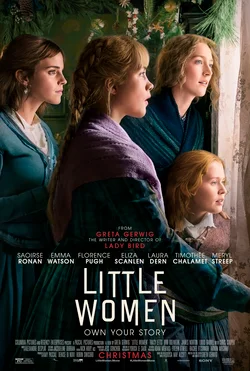
Greta Gerwig's Little Women (2019) is a bold reimagining of the beloved classic that stands as a significant contribution to cinema's long engagement with female narratives. By interweaving elements of nostalgia with a fresh sensibility, Gerwig not only honors Louisa May Alcott's timeless work but also injects it with a contemporary relevance that resonates deeply with today's audience. This film marks an evolutionary step in Gerwig's career, following her acclaimed debut with Lady Bird, and showcases her keen ability to navigate complex emotional landscapes while offering a warm, inviting portrayal of the intricacies of familial love and sisterly bonds.
The critical consensus surrounding Little Women emphasizes its portrayal of female empowerment and artistic ambition, framing the lives of the March sisters as not just a tale of personal growth but also a manifesto of independence. Each sister, Jo, Meg, Amy, and Beth, embodies unique struggles and triumphs, presenting a spectrum of choices that women have faced through generations. The film is both a love letter to sisterhood and a bracing exploration of the tensions that arise when ambition meets the expectations of society. It is this balance that makes Little Women feel distinctly current while remaining rooted in its historical context.
Critics have lauded Gerwig's innovative storytelling and her ability to honor the source material while offering a fresh lens. The film’s narrative structure shifts between the sisters' formative years and their adult lives, creating a lush tapestry of experiences that highlight their growth, dreams, and interdependencies. This light-footed approach, coupled with exquisite performances from a stellar cast, brings a warmth to the film that draws audiences into the world of the March family. Gerwig's direction feels undeniably superb, allowing the characters' vulnerabilities to shine against the backdrop of their aspirations, a testament to both her skill as a filmmaker and her understanding of the human experience.
At its heart, Little Women is a story about love, not only romantic love but also the love that exists within families, and how it shapes our identities. The film offers a cozy atmosphere, inviting viewers to reflect on their own relationships and ambitions. It highlights that love and independence do not have to be mutually exclusive, urging each sister to pursue her dreams while remaining fiercely supportive of one another. In doing so, Gerwig crafts a narrative that is both timeless and profoundly moving, urging us to consider how familial bonds can empower individual ambitions.
In an era where female-led narratives are gaining unprecedented attention, Little Women stands tall as an unmistakable beacon of what cinema can achieve. Gerwig's reinterpretation is not merely a retelling; it is a celebration of the enduring strength found in sisterhood and the courage it takes to forge one's own path. The film enriches our understanding of what it means to be a woman defined not solely by family expectations but by the pursuit of personal fulfillment and artistic expression. As Little Women continues to resonate with audiences, its innovative spirit and heartfelt message assert its place in both cinema history and the hearts of viewers.