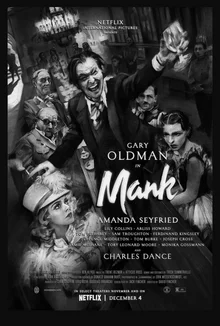
David Fincher's Mank not only serves as a keen exploration of Hollywood's golden age, but it also delves into the complexities of authorship and the turbulent undercurrents of political corruption that marred the film industry during that era. The film's narrative centers on the legendary screenwriter Herman J. Mankiewicz, the man behind the script of Citizen Kane, and his struggle for recognition amid the tumultuous backdrop of 1930s Hollywood. Through a dazzling visual palette and an immersive black-and-white aesthetic, Fincher crafts a cinematic experience that feels both nostalgic and urgently relevant, drawing parallels between historical and contemporary societal issues.
Critics have widely praised Mank for its sumptuous visuals and masterful storytelling, highlighting its capacity to transport audiences back in time while simultaneously provoking thoughtful reflections on the nature of cinematic authorship. The tension between Mankiewicz's creative genius and Orson Welles' corporate machinations raises questions about credit and recognition that resonate beyond the confines of Hollywood. This exploration is handled with a self-aware lens, making the film not just a biographical account, but also a critique of an industry that often sacrifices artistry for commercial gain.
At the heart of Mank lies a heartfelt portrayal of a troubled artist grappling with his legacy amidst a rapidly changing political landscape. The film echoes the political corruption and moral ambiguities of its time, weaving them into its narrative fabric. Mankiewicz's battles echo the struggles many face within the confines of power dynamics, whether in Hollywood or society at large. Fincher's calculated direction amplifies these themes, presenting them in a way that feels both personal and universally significant.
Through its playful yet profound storytelling, Mank stands as a visual marvel that underscores Fincher’s mastery of the medium. The film's monochrome cinematography not only pays homage to the classic films of its era but also enhances its thematic explorations, enveloping the audience in a world of dreams, disillusionment, and the relentless pursuit of truth. It captures the essence of storytelling itself, blurring the lines between reality and fiction, evoking a sense of nostalgia while urging viewers to critically examine the narratives crafted by those in power.
Ultimately, Mank is a film that challenges viewers to reflect on the nature of authorship and the inherent political inflections in art. Its critical reception underscores the film as not just an homage to the past, but a commentary on the present and future of Hollywood. With its combination of stunning visuals, masterful writing, and deeply resonant themes, Fincher's latest offering is a reminder of the complexities that underlie the glittering facade of the film industry.