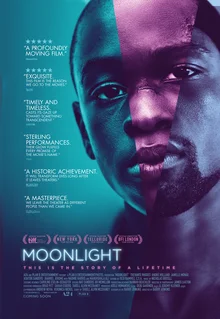
In the realm of contemporary cinema, Moonlight stands as a landmark achievement that transcends the traditional boundaries of storytelling. Directed by Barry Jenkins, this 2016 film offers a poignant exploration of black masculinity and identity, drawing viewers into the intricacies of self-discovery. Jenkins, whose earlier works already hinted at his ability to portray nuanced emotional landscapes, elevates the coming-of-age narrative to new heights. With its lyrical cinematography and majestic score, Moonlight emerges not only as a vital part of Jenkins's body of work but also as a critical commentary on the often-unseen dimensions of black gay identity amidst a backdrop of societal struggles.
The critical consensus around Moonlight emphasizes its intimate and realistic portrayal of love, friendship, and resilience. The film unfolds in three distinct chapters, each segment illustrating the protagonist Chiron's journey towards self-acceptance against a backdrop of family turmoil and societal expectations. Reviewers have lauded the film's poetic exploration of intimacy and affection, showcasing relationships that are tender yet fraught with complexity. Jenkins’s delicate direction and the remarkable performances by the cast invite viewers to witness moments of heartbreak and joy, firmly rooting the narrative in authenticity.
At its core, Moonlight is a meditation on the intersections of race, sexuality, and masculinity, tackling themes that are both refreshing and necessary in today's cultural discourse. It challenges conventional expressions of masculinity and reveals the profound vulnerability that underlies human experience. Through Chiron's journey, the film poignantly captures the struggle for self-identity, inviting audiences to reflect on their own paths to acceptance. This layered storytelling resonates deeply, emphasizing how personal battles often reflect broader societal challenges.
The film's visual and auditory elements contribute significantly to its impact, blending to create a transcendent experience that lingers long after the credits roll. The careful attention to color and light, paired with a haunting score, imbues each scene with emotional depth. Critics have described Moonlight as both heartbreaking and magical, a testament to its ability to convey raw emotion with a sense of grace and artistry. This combination of lyrical storytelling and realism not only makes for a compelling viewing experience but also fosters dialogue about issues of masculinity and identity that continue to permeate our society.
In essence, Moonlight is not just a film about growing up; it is a vital narrative that carves out space for conversations around black gay identity and the complexities of love. Its resonance lies in its honesty and the nuanced portrayals of its characters, who embody both the fragility and strength inherent in the pursuit of self-discovery. By shining a light on such poignant themes, Jenkins crafts a cinematic masterpiece that is both devastating and necessary, inviting viewers to embrace the beauty of their own journeys towards self-acceptance.