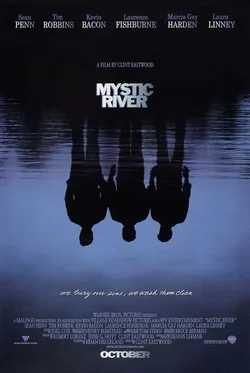
Clint Eastwood's Mystic River stands as a poignant reflection on the enduring scars of emotional trauma and the labyrinth of human relationships. Released in 2003, the film is a departure from the sweeping narratives often associated with Eastwood’s body of work, presenting instead a darker, more introspective character study rooted in the complex terrain of revenge, guilt, and justice. Adapted from Dennis Lehane's novel, Mystic River merges Eastwood’s signature craftsmanship with a somber exploration of moral ambiguity, drawing viewers into a world where unspoken secrets lie beneath the surface of everyday life.
The critical consensus surrounding Mystic River highlights its brooding atmosphere and raw emotional depth. Reviews emphasize how the narrative grapples with profound themes such as grief and ethical compromise, often revealing the moral collapse that can accompany personal vendetta. The film’s slow-paced, nuanced storytelling mirrors the internal struggles of its characters, Dave, Jimmy, and Sean, who each navigate the aftermath of a childhood tragedy. Their intertwined fates challenge the conventional ideas of justice, leaving audiences to ponder the cost of revenge and the burdens carried by those who harbor secrets.
Eastwood employs a hauntingly atmospheric score and stark cinematography to encapsulate the film's emotional weight, crafting a gripping backdrop for the unfolding drama. Critics have often described the film as spiritually profound, resonating with existential questions that extend beyond the narrative itself. This intensity is complemented by the powerful performances of the cast, particularly Sean Penn’s portrayal of Jimmy and Tim Robbins as Dave, whose struggles with self-doubt and guilt elevate the film from mere crime drama to a meditation on human frailty and redemption.
Mystic River does not shy away from the complexities of its characters, showcasing a realism that confronts viewers with the uncomfortable truths of grief and loss. The film's structure invites introspection, urging the audience to reflect on their own moral compasses as they witness the characters grapple with their past decisions. As the story unfolds, the viewer is left to reconcile their feelings about justice and revenge, questioning the very notion of what it means to be a good person in a world rife with pain and suffering.
Ultimately, Mystic River positions itself within a broader cinematic context as a thought-provoking exploration of human nature, echoing themes of familial ties and existential despair that resonate through Eastwood’s oeuvre. It places a spotlight on the shadows lurking in the corners of the human psyche, a hallmark of Eastwood's filmmaking, while offering a narrative that is both gripping and unsettling. The film remains a testament to the director's ability to weave intricate character studies with socially relevant themes, leaving an enduring impact on audiences and critics alike.