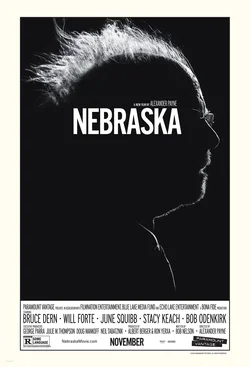
In the realm of contemporary cinema, Nebraska stands out as a poignant exploration of the complexities of familial relationships and the pursuit of dreams amidst the quiet backdrop of Midwestern America. Directed by Alexander Payne, whose oeuvre frequently delves into the intricacies of human connection and the mundanity of life, this film encapsulates themes of personal discovery, generational conflict, and the bittersweet nature of reality versus illusion. Released in 2013, Nebraska is not merely a road trip movie; it is an authentic reflection on life, identity, and the remnants of the American dream, delivered through the lens of a father and son grappling with their pasts and their relationship.
The film’s narrative centers on Woody Grant, an aging man who believes he has won a million-dollar sweepstakes. The quest to claim his prize becomes a catalyst for the exploration of familial dynamics, particularly the fragile bond between Woody and his son, David. Critics have universally acknowledged how this journey, both literal and metaphorical, serves as a medium for profound personal reflection, allowing characters to confront their aspirations and failures. The stark landscapes of Nebraska, shot in black and white, further symbolize the stark, unembellished truths of life, highlighting the contrast between dreams and reality that permeates the film.
At its heart, Nebraska paints a nuanced portrait of Midwestern life, capturing moments of melancholy that resonate deeply with audiences. The heartfelt performances, particularly by Bruce Dern and Will Forte, embody the complexities of their characters’ relationships, woven with humor and pathos. This authenticity evokes a sense of familiarity for viewers, as the film traverses over familiar terrains of family dysfunction and unfulfilled dreams, mirroring the collective struggle of many who navigate the delicate balance between love, resentment, and understanding.
In this sense, Nebraska becomes a thought-provoking discourse on generational issues, illustrating how personal histories shape familial bonds. Woody’s fixation on the sweepstakes reflects a longing for validation and purpose, while David’s reluctant involvement illustrates the ambivalence many feel when confronted with the dreams of their predecessors. This intergenerational dialogue is layered with reflection, urging audiences to ponder the significance of memories and the weight of expectations. The journey, steeped in melancholy, ultimately leads to moments of self-discovery and empathy that resonate beyond the film’s conclusion.
Critics have rightfully termed Nebraska as bittersweet and reflective, mirroring the director's signature style, which often juxtaposes profound emotional truths against the mundane backdrop of ordinary life. Here, the quiet moments become as narratively significant as the dialogue, allowing viewers to feel the weight of silence and contemplation. The film’s exploration of family relationships and personal aspirations transcends cultural boundaries, inviting a universal contemplation of what it means to strive for something greater in the face of life’s inherent challenges.
In the broader context of cinema, Nebraska contributes to a legacy of films that examine the American psyche, inviting a candid look at the nuances of hope, disillusionment, and familial ties. As part of Alexander Payne’s body of work, it stands as a hallmark of authenticity, drawing from the familiar to evoke reflections on aspirations and realities that are deeply etched in the human experience. In doing so, Nebraska remains an enduring and insightful cinematic exploration, revealing the layers of love and longing that characterize the triumphs and tribulations of everyday lives.