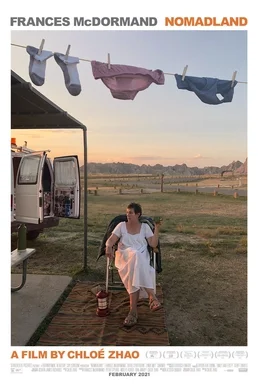
In the landscape of contemporary cinema, Nomadland stands as a poignant exploration of grief, resilience, and the multifaceted nature of the American dream through the lens of a nomadic lifestyle. Directed by Chloé Zhao, whose previous works such as The Rider have exhibited a tender connection to the American landscape and its people, this film transcends traditional narratives, offering a dreamlike yet grounded experience. Zhao's distinctive style, marked by an elegant filming approach and a fluid narrative structure, invites viewers into a reflective space where the beauty of the natural world intertwines seamlessly with the harsh realities of economic hardship.
The film's protagonist, Fern, embodies the struggle and spirit of those affected by the economic collapse, poignantly encapsulating themes of grief and self-discovery. As she navigates through her life as a modern-day nomad, the narrative threads together her personal loss with a broader commentary on community and self-reliance. Critics have lauded Nomadland as a visual poem, illustrating the bittersweet essence of freedom that comes when one is unbound by conventional expectations. This layered approach reveals not only the external trials faced by those living a nomadic lifestyle but also the internal journeys of identity and acceptance that resonate deeply with audiences.
At its heart, the film unearths a profound sense of community among the transient. The relationships Fern cultivates foster a sense of belonging amidst shared struggles, effectively showcasing that in the face of isolation, human connection becomes paramount. The gathering of fellow nomads is depicted with restraint and grace, presenting candid moments that feel both marvellous and intimate. This community provides not only a support system but also a mirror reflecting the myriad identities that exist within it, each story a vital thread in the tapestry of human experience.
Critics have noted the film's exquisite cinematography, capturing the sprawling American landscapes with an artistry that enhances the narrative's emotional impact. Zhao crafts each frame with meticulous attention, merging visual beauty with the stark realities of her characters' lives. This balance of placid surfaces and gradually swelling tension speaks to the resilience and adaptability of those striving for a sense of purpose amidst turmoil. Such visual storytelling imbues each scene with a feeling of grace, making even the most mundane moments resonate with deeper meaning.
In Nomadland, the interplay of economic hardship and the pursuit of freedom is rendered with subtlety and depth, inviting audiences to reflect on their own aspirations and identities. This film not only depicts the stark challenges faced by its characters but also celebrates their remarkable resilience and ingenuity. As Zhao continues to carve her unique path in cinema, Nomadland stands as a testament to her ability to weave personal and collective narratives into a coherent reflection of modern America, forever reshaping how we view identity, community, and the ever-elusive dream of freedom.