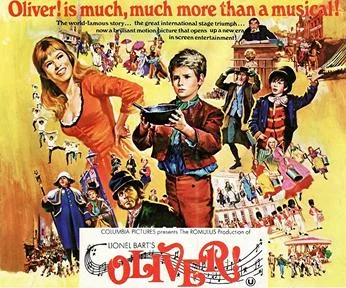
The 1968 film Oliver! directed by Carol Reed stands as a remarkable entry in the canon of musical adaptations and an essential piece within the lineage of British cinema. Adapted from Charles Dickens' classic novel Oliver Twist, this adaptation captures the grit and grandeur of Victorian London while integrating the vibrant energy of musical theater. Reed, whose previous works include The Third Man and Oliver Twist is known for his masterful command of storytelling through visual art and performances. Oliver! combines lavish production design and tuneful melodies, setting a new standard for how literature can be transformed through the cinematic lens.
Critics have lauded the film for its impressive musical elements, highlighting how the operatic style seamlessly fuses with the narrative, bringing Dickens’ world to life in a way that feels both charming and chilling. The production is characterized by its uniformly strong performances, with each actor bringing a blend of rascally charm and genuine emotion to their roles. Songs like “Consider Yourself” and “As Long As He Needs Me” underscore the themes of loyalty, innocence, and the quest for belonging that resonate deeply throughout the story. This integration of music and drama not only invites audiences into the vibrancy of 19th-century London but also allows them to connect emotionally with the plight of the characters.
The characterization in Oliver! is particularly noteworthy, with the young performers shining alongside experienced actors, creating a memorable ensemble. Notable is Mark Lester as Oliver, portrayed as a cherubic figure embodying both vulnerability and tenacity. The adults in the film, such as Ron Moody’s unforgettable Fagin and Oliver Reed’s formidable Bill Sikes, crystalize the stark contrasts between despair and hope in a society rife with both charm and brutality. Critics often refer to these performances as peerless, capturing the complexity of Dickens' characters through a lens that feels both apt and accessible.
While some of the film’s elements have been described as impressive, lavish, and spectacular, there are moments that veer into the territory of being overdone. However, this theatricality is part of what makes Oliver! a family favorite, offering viewers an unforgettable journey through a world that is at once enchanting and harsh. The bouncy musical numbers and visually arresting scenes provide both escapism and a stark reminder of the societal issues that Dickens sought to expose. Each detail, from the twinkling sets to the artful choreography, contributes to a narrative that does not shy away from the darker aspects of the human experience.
In conclusion, Oliver! remains a splendid adaptation that exemplifies the potential of musical cinema to elevate storytelling. Its ability to evoke laughter and tears in equal measure ensures its place not only as a cherished classic of the musical genre but as a significant commentary on social justice. Reed’s direction, combined with a tuneful score and staggering performances, crafts a world that is both familiar and hauntingly beautiful, securing the film's status as a timeless treasure in the landscape of cinema.