Career Overview
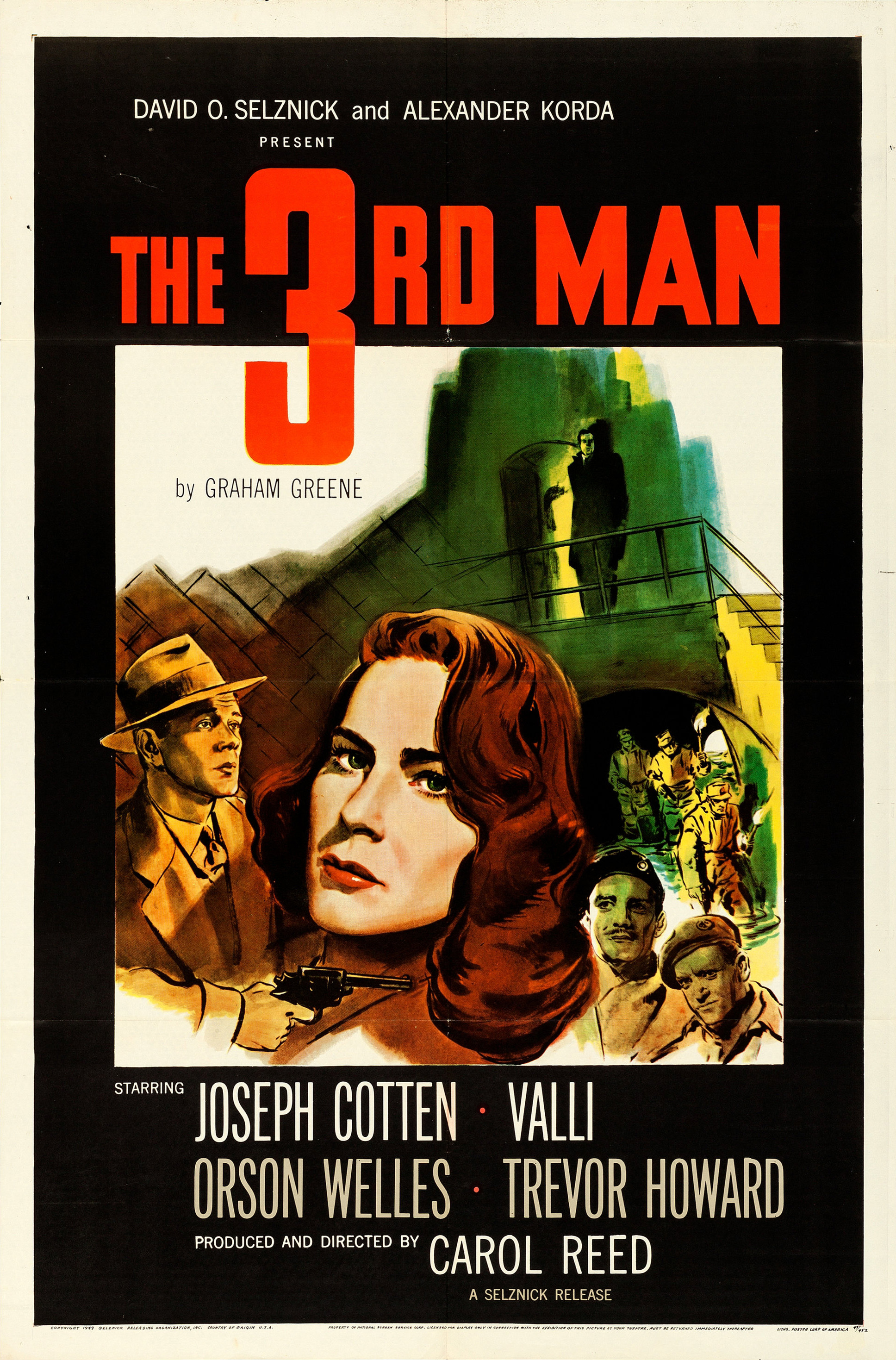
Carol Reed occupies a fascinating space in midcentury cinema, often celebrated for his unparalleled ability to capture the psychological exhaustion of a world in transition. While his broader filmography encompasses various genres, his reputation among cinephiles is permanently anchored by his masterful navigation of the postwar thriller, most notably synthesized in The Third Man. This defining work established him as a premier architect of the atmospheric mystery, blending European fatalism with narrative precision. Reed's trajectory demonstrates a remarkable evolution from standard British studio fare to highly sophisticated, morally complex cinema. His development reveals an increasing preoccupation with the shadows of human nature and the societal decay left in the wake of global conflict. By placing flawed, often naive protagonists in environments fraught with danger and deception, Reed crafted a unique cinematic identity that bridged the gap between popular entertainment and profound art. Ultimately, his position in cinema history is that of a consummate craftsman who transcended mere technical proficiency. He is remembered as a director who could perfectly calibrate tone, using the physical environment to reflect the internal states of his characters. His legacy remains that of a filmmaker who brilliantly captured the anxiety and cynicism of his era, creating works that continue to resonate with critics and audiences alike.
Thematic Preoccupations
Central to Reed's cinematic universe is a pervasive sense of moral ambiguity. In The Third Man, this ambiguity becomes the very fabric of the narrative, moving beyond simple dichotomies of good and evil. Reed consistently interrogates the nature of friendship and betrayal, suggesting that loyalty is often a trap in a world where survival demands ethical compromise. His characters are frequently forced to navigate a postwar emotional landscape where traditional values have been completely obliterated. Another major thematic preoccupation is the existential loss experienced by individuals caught in the machinery of larger historical forces. The postwar Vienna setting functions not merely as a backdrop but as a physical manifestation of this existential questioning. The ruined city mirrors the shattered illusions of the protagonists, highlighting a profound cynicism that permeates the narrative. Reed repeatedly asks how one can maintain personal integrity when the surrounding society has succumbed to corruption and decay. Furthermore, Reed infuses his cynical storytelling with dark romantic undertones. This romanticism in noir style creates a fascinating tension, as moments of genuine human connection are inevitably tainted by the overarching atmosphere of deceit. The juxtaposition of romantic ideals against the harsh realities of a traumatized world serves to amplify the tragic dimensions of his characters. This thematic complexity ensures that his work remains deeply relevant, offering a chilling embodiment of the banality of evil and the fragility of human morality.
Stylistic Signatures
The visual language of Carol Reed is characterized by a masterful application of dark romanticism within a noir framework. His cinematographic approach heavily utilizes stark lighting, dramatic shadows, and tilted camera angles to evoke a disorienting, haunting atmosphere. In The Third Man, the ruined architecture of Vienna is captured with a stark, high contrast aesthetic that emphasizes the fractured morality of the narrative. The sight of a character bathed in shadow within a dark doorway remains one of his most iconic stylistic achievements, perfectly encapsulating his ability to generate suspense through visual composition. Reed's mise-en-scene tendencies reveal a meticulous attention to the relationship between character and environment. The action in his films often fits the location perfectly, with the physical spaces dictating the psychological boundaries of the narrative. He expertly navigates the rubble strewn streets and subterranean sewers, using these claustrophobic settings to amplify the internal anxieties of his protagonists. This integration of setting and mood creates an atmospheric tone that is simultaneously beautiful and unnerving. Equally vital to Reed's stylistic signature is his highly unconventional and evocative use of sound and music. The incorporation of a solitary zither in The Third Man is a prime example of his innovative audio design. The plucking of the strings sets a seemingly lighthearted tone that quickly reveals vicious undertones, establishing an ironic counterpoint to the cynical onscreen action. This distinctive auditory landscape, combined with his precise editing rhythms, elevates the tension and cements his reputation as a master of cinematic atmosphere.
Recurring Collaborators
The creative partnerships formed by Carol Reed were instrumental in shaping the sophisticated tone of his most celebrated work. His collaboration with the renowned author Graham Greene stands as one of the most fruitful director and writer pairings in cinematic history. Greene brought a distinct literary quality, marked by complex relationships and profound moral inquiry, which Reed translated flawlessly into a visual medium. Their shared sensibility regarding the fallen idol motif and existential disillusionment provided the foundational text for Reed's most critically acclaimed achievements. In terms of performance, Orson Welles represents a monumental collaborative presence, even when his actual screen time is limited. Reed acknowledged that the charismatic Welles heavily influenced the saturnine tone of their work together. Welles possessed a unique ability to dominate a film through both his presence and his absence, serving as the perfect embodiment of postwar moral breakdown. The dynamic between Reed's meticulous direction and Welles's magnetic, cynical persona created some of the most memorable character entrances and dialogues in thriller cinema. Another crucial collaboration occurred in the realm of musical composition with the zither player Anton Karas. Karas was discovered by Reed, and his unique musical contribution became fundamentally inseparable from the identity of the film. The idiosyncratic score provided by Karas acted as an invisible collaborator, defining the emotional resonance and lingering unease of the narrative. Through these strategic partnerships, Reed assembled a team capable of executing his exacting vision with unparalleled precision and artistry.
Critical Standing
The critical standing of Carol Reed has remained formidable, with his seminal works frequently cited as essential pillars of the thriller and film noir genres. Contemporary reviewers and modern critics alike praise his ability to unnerve audiences, noting that his films serve as masterclasses in atmosphere and style. His reputation is largely built on his sophisticated blending of intriguing narrative mechanics with deep philosophical inquiries, earning him a permanent place in the pantheon of great British directors. Critics often place his work alongside masterpieces like Casablanca, highlighting his equal mastery of romantic tension and wartime cynicism. Throughout the decades, critical discourse has increasingly focused on his visionary depiction of the postwar European landscape. Scholars point to The Third Man as a definitive text for understanding the psychological terrain of the mid twentieth century. The critical consensus celebrates his unflinching examination of existential loss and moral ambiguity, noting that his films avoid easy resolutions in favor of lingering, uncomfortable truths. His depiction of the banality of evil continues to generate extensive academic and critical analysis. Today, Reed is revered not just as a technically gifted filmmaker, but as an uncompromising artist who successfully merged popular entertainment with high art. The enduring legacy of his visual motifs, from dramatically shadowed doorways to desolate, rubble filled streets, confirms his lasting influence on subsequent generations of filmmakers. His critical standing has only solidified over time, ensuring his work remains a vital subject of study for cinephiles and film historians worldwide.