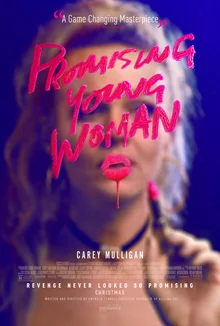
Emerald Fennell's Promising Young Woman stands as a provocative debut feature that intertwines dark humor and societal critique within a vibrant, stylized narrative. Released in 2020, the film received critical acclaim for its audacity in tackling sensitive themes surrounding gender dynamics and trauma in a post-#MeToo world. Fennell, known for her work on television, notably Killing Eve, utilizes her intricate understanding of complex female characters to craft a story that is equal parts thrilling and unsettling. This film carries forward a long lineage of cinema that seeks to confront injustices, particularly those rooted in patriarchal structures, offering a fresh and daring voice from a female director.
At its core, Promising Young Woman richly explores the concept of revenge, presenting it as both a means of empowerment and a harrowing journey through trauma. The film's protagonist, Cassie, portrayed with intensity by Carey Mulligan, sets out on a crusade against a culture that often dismisses female vulnerability. Critics have noted the film’s unique ability to oscillate between candy-colored aesthetics and bleak emotional truths, creating a juxtaposition that is both mesmerizing and disorienting. This stylistic choice not only engages audiences but forces them to grapple with the underlying issues of consent, accountability, and the often-ignored scars of sexual violence.
Critical consensus highlights Promising Young Woman as an excoriating reflection of rape culture, strikingly presenting the often complicated interplay between men and women in contemporary society. Fennell balances a darkly comic tone with moments of sheer emotional weight, keeping viewers on edge as they navigate the unpredictable narrative. The film delivers a keen social commentary while avoiding simplistic answers, instead embracing the ambiguities of its characters' motives and moral landscapes. This meticulous construction enables the film to resonate deeply, as it reflects a collective yearning for justice in a world that routinely fails to deliver it.
Moreover, Fennell's fearless approach to storytelling allows the film to delve into the complexities of gender relations and trauma with a candid lens. The vibrant color palette serves as a stark contrast to the dire topics at hand, further amplifying its message while engaging viewers at a visceral level. As the film unfolds, it becomes apparent that Cassie is not merely seeking retribution; she is also navigating her own healing journey. This multifaceted portrayal adds depth to the narrative, transcending the boundaries of conventional revenge tales and inviting reflection on the broader implications of Cassie’s actions.
Promising Young Woman is not merely a film; it is a daring social commentary that lays bare the contradictions embedded in contemporary attitudes toward gender and justice. With its enchanting visuals and incisive storytelling, the film emerges as a work that demands conversation and contemplation. The timely exploration of these heavy themes through a darkly comedic and stylish lens makes it a defining statement of its era, solidifying Emerald Fennell's place as a significant voice in modern cinema. As audiences exit the layered world of Promising Young Woman, they are left to confront uncomfortable truths about gender, power, and the very nature of justice.