Career Overview
Emerald Fennell emerged as a singular voice in contemporary cinema with her debut feature, establishing herself immediately as a filmmaker of fierce provocation and stylistic audacity. Before stepping behind the camera for feature films, Fennell built a robust foundation in narrative storytelling through her work as an actor and her tenure as a showrunner for television. Her background in television, notably drawing frequent critical comparisons to her work on the acclaimed series Killing Eve, honed her ability to balance pitch-black comedy with unrelenting suspense.
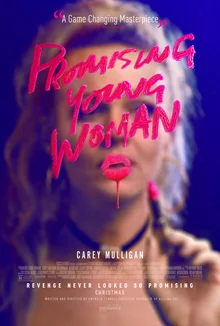
The release of Promising Young Woman in 2020 marked a watershed moment in the intersection of genre cinema and contemporary feminist discourse. Arriving in the wake of the #MeToo movement, the film positioned Fennell as a director capable of capturing the zeitgeist without sacrificing narrative complexity. She bypassed the traditional apprenticeship of quiet indie dramas, delivering a fully realized, deeply provocative vision that immediately placed her at the forefront of modern auteur cinema.
Her trajectory represents a fascinating shift in twenty-first-century filmmaking, where directors seamlessly blend commercial aesthetics with radical politics. Fennell operates at this nexus, utilizing the gloss of mainstream cinema to smuggle in subversive critiques of patriarchal systems. As a filmmaker, she has carved out a unique space in cinematic history as a creator who weaponizes pop culture tropes to dismantle the very ideologies those tropes have historically upheld.
Thematic Preoccupations
At the core of Fennell's cinematic project is a rigorous interrogation of gender dynamics and the insidious nature of systemic misogyny. Through Promising Young Woman, she explores the long tail of trauma and the devastating psychological toll of surviving in a culture that instinctively protects predatory men. Fennell eschews easy answers, choosing instead to navigate a mess of contradictions regarding victimhood, entitlement, and societal complicity.
The concept of justice, specifically the elusive nature of empowerment through retribution, serves as a primary philosophical concern. Her protagonist functions as a vigilante seeking to dismantle an oppressive system one encounter at a time, yet Fennell refuses to present this crusade as a simple triumph. The revenge fantasy is complicated by the self-destructive reality of scorched-earth tactics, questioning whether true healing can ever be achieved through retaliation.
Furthermore, Fennell is deeply preoccupied with the performance of femininity and the architecture of rape culture. Her work highlights how societal expectations of women are weaponized by both the oppressors and the oppressed. By staging scenarios where characters feign vulnerability to expose predatory behavior, Fennell forces the audience to confront their own biases and the normalized predatory nature of modern courtship. Her films function as a dark mirror reflecting the grim realities of gender relations under a patriarchal order.
Stylistic Signatures
Fennell approaches cinematic world-building with a deceptively cheerful palette, employing a candy-colored, high-gloss aesthetic that radically subverts the traditional bleakness of the thriller genre. She intentionally dresses a dark revenge drama in the visual language of a romantic comedy. This aesthetic dissonance, featuring hot-pink hues and heightened girly colors, creates a profound psychological friction for the viewer by masking a deeply cynical worldview beneath a veneer of pop perfection.
The director's tonal register is characterized by its darkly comic and playfully provocative nature. Fennell exhibits an ice-cold directorial control, balancing moments of electrifying tension with bursts of satirical humor. Her films operate as a wolf in sheep's clothing, drawing audiences in with vibrant art direction before unleashing what critics describe as a molten fury of righteous anger.
In terms of pacing and rhythmic structure, Fennell utilizes an ingenious narrative momentum that mirrors the scheming nature of her protagonists. The editing often juxtaposes mundane, pastel-drenched environments with moments of sudden, visceral dread. Coupled with a soundscape that frequently recontextualizes upbeat pop music into anthems of menace, her stylistic signatures work cohesively to craft an environment where danger lurks beneath every glossy, manicured surface.
Recurring Collaborators
Because Fennell's cinematic footprint is defined by a highly impactful debut, her collaborative network in feature films heavily revolves around the key creative partnerships forged during the production of Promising Young Woman. Foremost among these is her collaboration with Carey Mulligan, whose central performance provides the necessary anchor for Fennell's tonal tightrope walk. Mulligan's remarkable ability to project both steeliness and vulnerability perfectly articulates the director's complex vision of trauma and retribution.
Fennell relies on actors who can navigate the demanding shift between cartoonish satire and devastating emotional reality. Performers like Bo Burnham have been instrumental in grounding the romantic comedy tropes that the director seeks to subsequently dismantle. By casting actors traditionally associated with lighthearted or comedic roles, Fennell achieves a disarming effect that makes her sudden turns into dark, violent territory all the more shocking and effective.
Behind the camera, Fennell collaborates with artisans capable of translating her highly specific, hyper-feminine aesthetic into a cinematic reality. Her creative team works in tandem to ensure the production design and cinematography execute the candy-gloss visual strategy required to mask the film's sinister undercurrents. These partnerships are essential to maintaining the high-gloss production values that define her unique approach to the thriller genre.
Critical Standing
Upon the release of Promising Young Woman, Emerald Fennell immediately entered the critical discourse as a fearless and polarizing new voice in contemporary cinema. Reviewers widely praised her debut as an electrifying and timely intervention into the rape-revenge genre. Her capacity to deliver a scorched-earth polemic disguised as popcorn entertainment earned her widespread acclaim, positioning her as a vital, uncompromising commentator on the #MeToo era.
While her critical reputation is overwhelmingly positive, it is not without its spirited debates. Some critics have pointed out the cartoonish cracks in her satirical approach, questioning whether a hyper-stylized revenge fantasy offers a truly radical solution to the systemic issues it raises. However, even these critiques acknowledge the ambitious scope of her work, noting that the film's mess of contradictions makes it an endlessly fascinating subject for rigorous academic and critical analysis.
Ultimately, Fennell's standing in film criticism is defined by her audacious subversion of audience expectations and her refusal to cater to cinematic conventions. She is celebrated for treating her audience with intelligence, refusing to offer a pacifying resolution to the horrors of gendered violence. As a filmmaker, she remains a heavily scrutinized and highly celebrated figure, recognized for her ingenious ability to fuse molten anger with irresistible cinematic style.