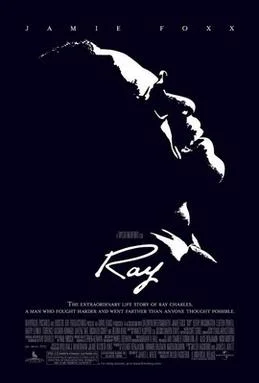
Directed by Taylor Hackford, Ray presents an exuberant exploration of the life of Ray Charles, a musical icon whose impact reshaped the landscape of rhythm and blues. Released in 2004, the film stands as a testament to Hackford's ability to portray complex characters, similar to his previous work in An Officer and a Gentleman. In Ray, Hackford not only chronicles the artist’s rise to fame but also delves deeply into his struggles with blindness and addiction, offering viewers a rich tapestry of events that shaped Charles’s artistry. This biographical drama serves as both a historical account and a celebration of music, making it a significant entry in cinema history and a highlight in Hackford's filmography.
Critical consensus surrounding Ray highlights the authenticity of Jamie Foxx's performance, which earned him an Academy Award for Best Actor. Foxx’s portrayal of Charles is both charismatic and credible, imbuing the film with an irresistible energy that is further supported by a robust soundtrack featuring Charles’s iconic songs. The storytelling, while engaging and often exhilarating, occasionally ventures into the realm of convention, at times appearing stilted or hokey. However, these criticisms do little to detract from the emotional resonance that the film cultivates, as it illuminates themes of overcoming adversity and the struggle for artistic integrity in the face of personal and societal challenges.
The film's narrative unfolds through a series of vignettes, each highlighting pivotal moments in Charles's life and career, juxtaposed against societal prejudices and personal demons. Critics have pointed out that while these moments may occasionally feel formulaic, they nonetheless paint a comprehensive picture of a man who defied the odds. This biographical drama not only underscores music history but also serves as a reminder of the resilience of the human spirit. The film effectively places Ray Charles not only within the annals of musical achievement but also within a broader dialogue about race, disability, and the creative process that defines an artist's life.
Ultimately, Ray is more than just an Oscar bait biopic; it is a celebration of music's transformative power and the journey of a man who overcame immense obstacles to find his voice. Its blend of rich storytelling and captivating performances has solidified its place as a critical favorite, ensuring that Charles’s legacy endures. In portraying both his triumphs and tribulations, Hackford crafts a film that resonates with anyone who understands the complexities of pursuing one's passion against all odds. As such, Ray remains a significant cultural artifact that continues to inspire artists and audiences alike.