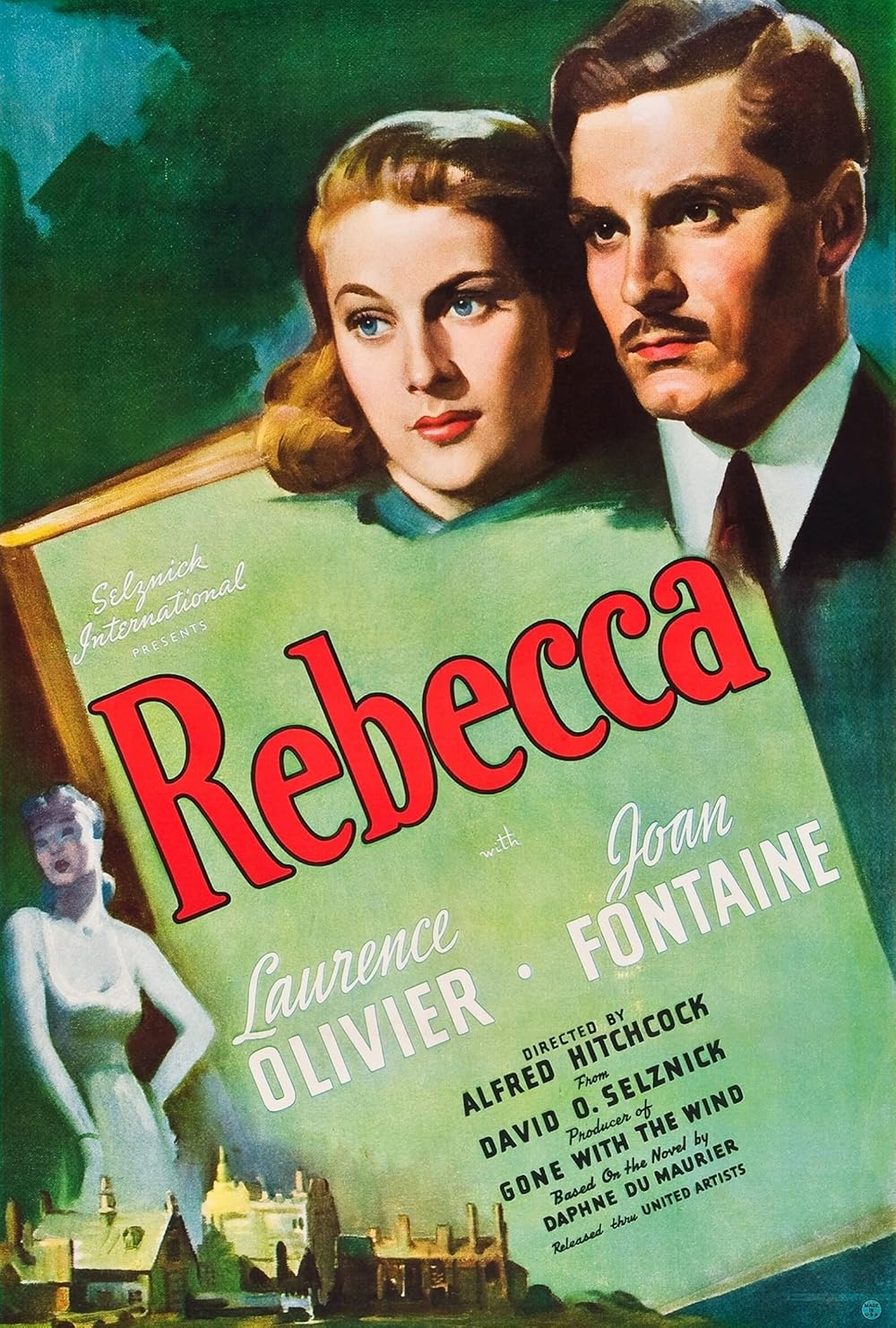
Rebecca, directed by Alfred Hitchcock in 1940, stands out as a seminal work in both horror and gothic romance, marking a significant moment in the director's illustrious career. Adapted from Daphne Du Maurier's novel, this film captures the tension and unease characteristic of Hitchcock's oeuvre, while also pushing the boundaries of psychological suspense. It arrived during a period when cinematic storytelling was evolving, as filmmakers began to explore the darker aspects of human psychology and complex emotional landscapes. This haunting tale of love and obsession set the stage for future films that would delve deeper into the realms of memory and identity, showcasing Hitchcock's masterful ability to intertwine these themes with captivating narratives.
Critically, Rebecca is lauded for its atmospheric quality, where the imposing estate of Manderley becomes a character in its own right, embodying the lingering presence of the titular character, Rebecca. The film expertly weaves a haunting narrative through the experiences of the unnamed protagonist, who grapples with her identity and self-worth in the shadow of her predecessor. Reviewers have noted the film's keen ability to illustrate how memory shapes personal identity, particularly through its exploration of the past's inescapable grip on the present, making it a resonant piece even decades after its release.
The dual themes of gothic romance and psychological suspense drive the plot, capturing viewers' imaginations with a compelling blend of intrigue and dread. Critics highlight the film's rich visual composition and masterful use of lighting, which enhances the eerie ambiance, creating a feeling of unease that persists throughout. The interplay between the characters, especially the enigmatic Mrs. Danvers and the fragile young wife, fosters a tension that reflects broader societal anxieties of the time, particularly regarding the roles of women in both familial and social contexts.
Academically and emotionally, Rebecca encapsulates the unease inherent in the struggle for identity amidst overwhelming external pressures, making it an essential study for those interested in the intersections of gender, memory, and psychological drama. Hitchcock's careful direction elevates the material, showcasing his prowess in manipulating cinematic techniques that heighten suspense and evoke strong emotional responses. The film remains an important touchstone in the exploration of gothic motifs and the complexities of human relationships, illustrating how the past continues to haunt the present in indelible ways.
Ultimately, Rebecca is a profound meditation on the nature of identity, memory, and the suppressive power of societal expectations. Its atmospheric storytelling and compelling character dynamics resonate deeply, reinforcing Hitchcock's status as a master of psychological thrills. The film's lasting impact is felt not only within horror and gothic romance but also within the broader scope of cinematic history, as it continues to inspire discussions on the portrayal of psychological complexities in film.