Career Overview
Alfred Hitchcock stands as the quintessential master of suspense, a controlling visionary whose work defined the psychological thriller. His position in cinema history is unparalleled, marked by a sophisticated cleverness that elevated genre filmmaking into high art. Throughout his career, he developed a cinematic vocabulary that remains foundational for modern filmmakers and critics alike.
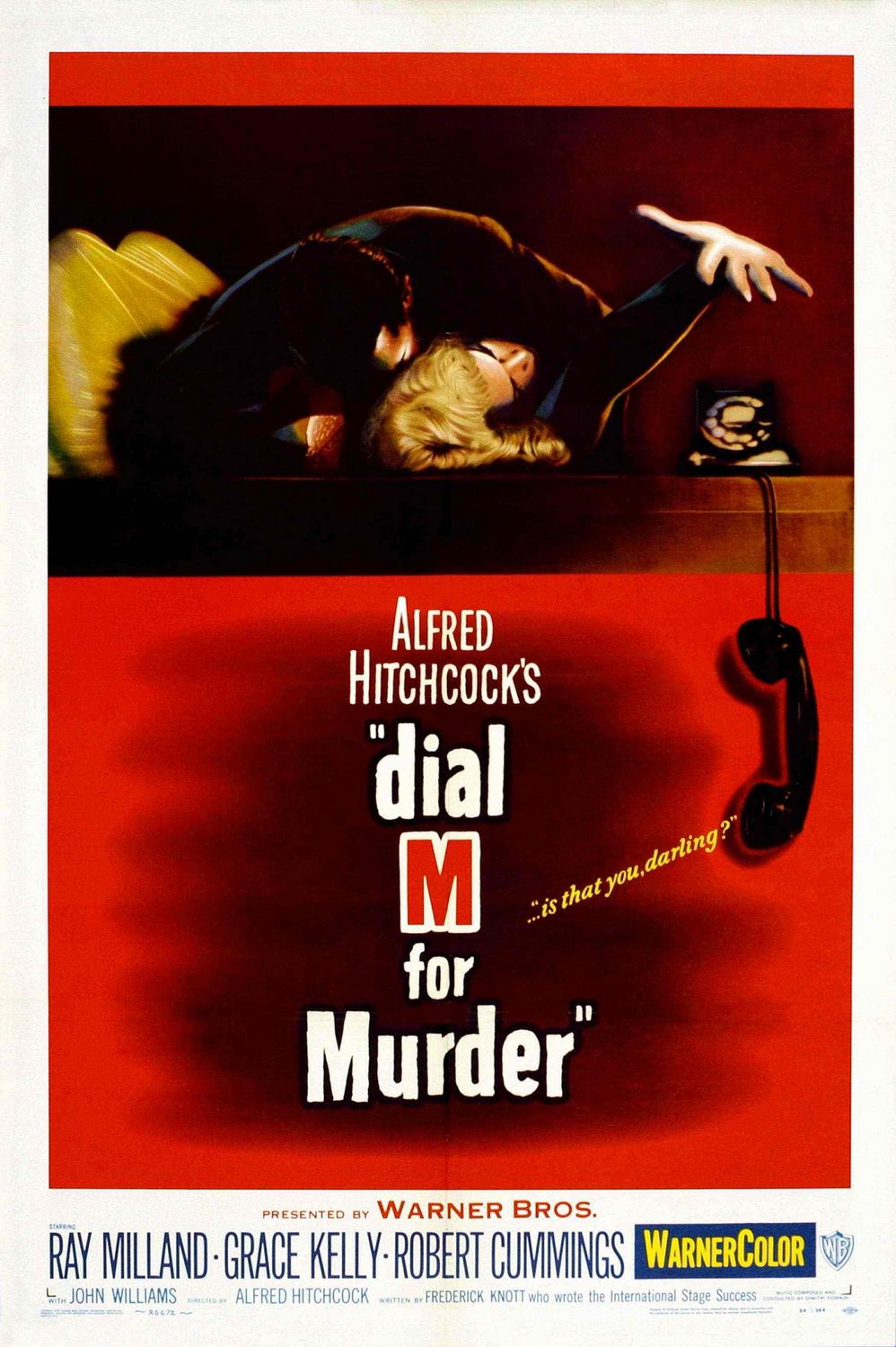
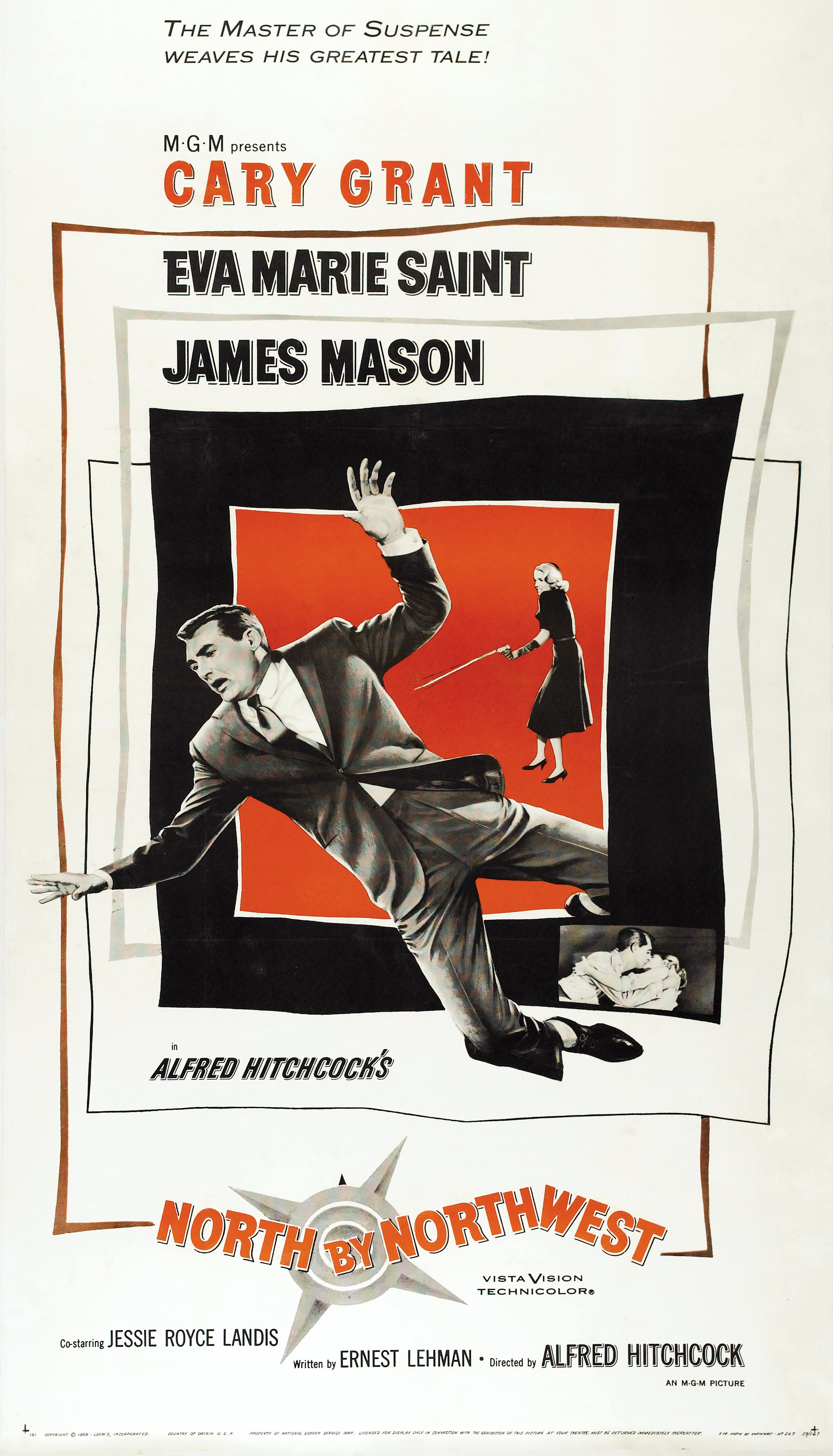
The period from the mid 1950s to the early 1960s represents the apotheosis of his career. Moving from tightly contained adaptations like Dial M for Murder into the expansive, kinetic storytelling of North by Northwest, he demonstrated a relentless drive to innovate. This era highlights his transition from purely classical studio pictures to more daring, formally inventive works.
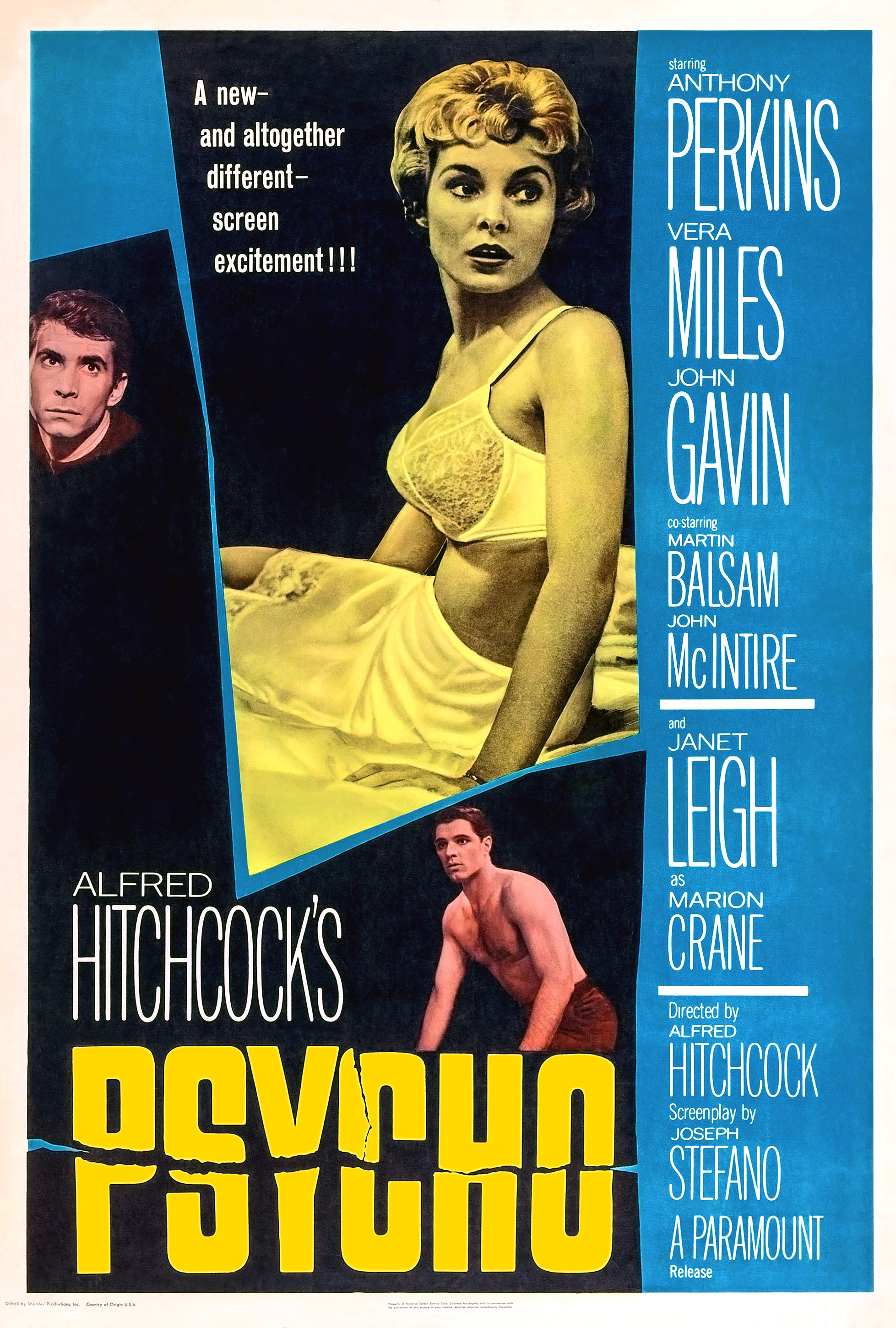
His willingness to subvert audience expectations culminated in the visceral experience of Psycho. Deliberately designed to resemble cheap exploitation, the film revolutionized the horror and thriller genres with its psychological horror elements. This pivotal work solidified his reputation as a master manipulator of audience engagement, proving he could terrify viewers with unprecedented efficiency.
Ultimately, Hitchcock navigated the studio system with rare autonomy. His cinematic flair and darkly humorous tone allowed him to smuggle deeply subversive explorations of human nature into the glossiest entertainments. His profound impact on visual narrative ensures his legacy as an enduring titan of classic cinema.
Thematic Preoccupations
A profound exploration of human nature anchors the Hitchcock oeuvre, most notably through themes of obsession, deception, and the fluidity of identity. His narratives frequently center on individuals trapped in webs of paranoia and fear, where the boundaries between innocence and guilt become dangerously blurred. These philosophical concerns elevate his films beyond mere entertainment into rigorous psychological inquiries.
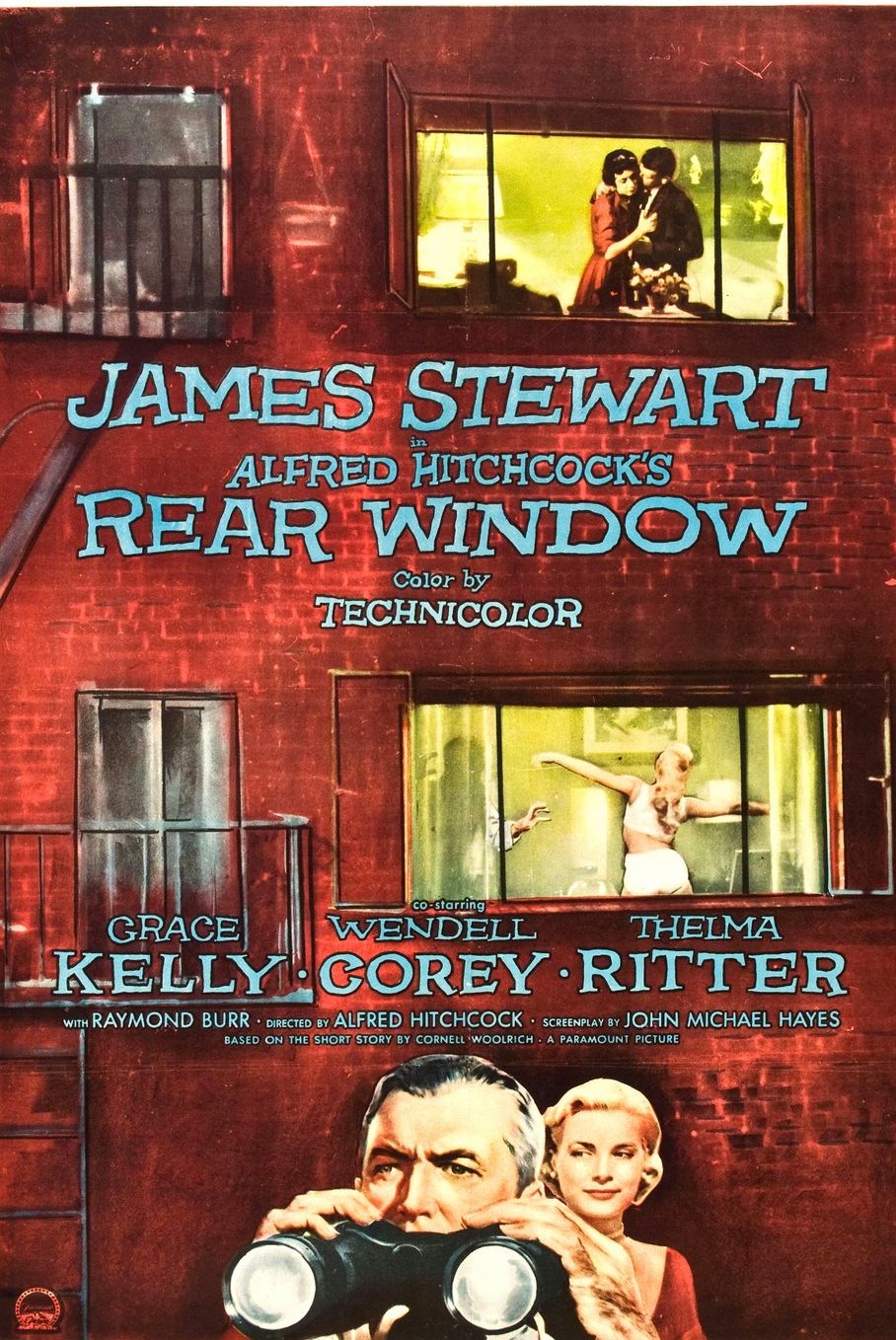
Voyeurism emerges as a foundational preoccupation. In Rear Window, the protagonist's literal confinement forces the audience to confront their own complicity in the act of watching. This dynamic transforms the viewer into an active participant in the suspenseful narrative, turning the cinematic experience into a moral inquiry about privacy, obsession, and the dark desires lurking within ordinary urban spaces.
The concept of the wronged man and mistaken identity provides the dramatic engine for much of his work. North by Northwest presents a sophisticated, darkly comedic iteration of this trope, exploring the absurdity in storytelling as its protagonist is thrust into a chaotic world of espionage. This narrative device serves to strip away the veneer of bourgeois security, leaving the hero utterly isolated.
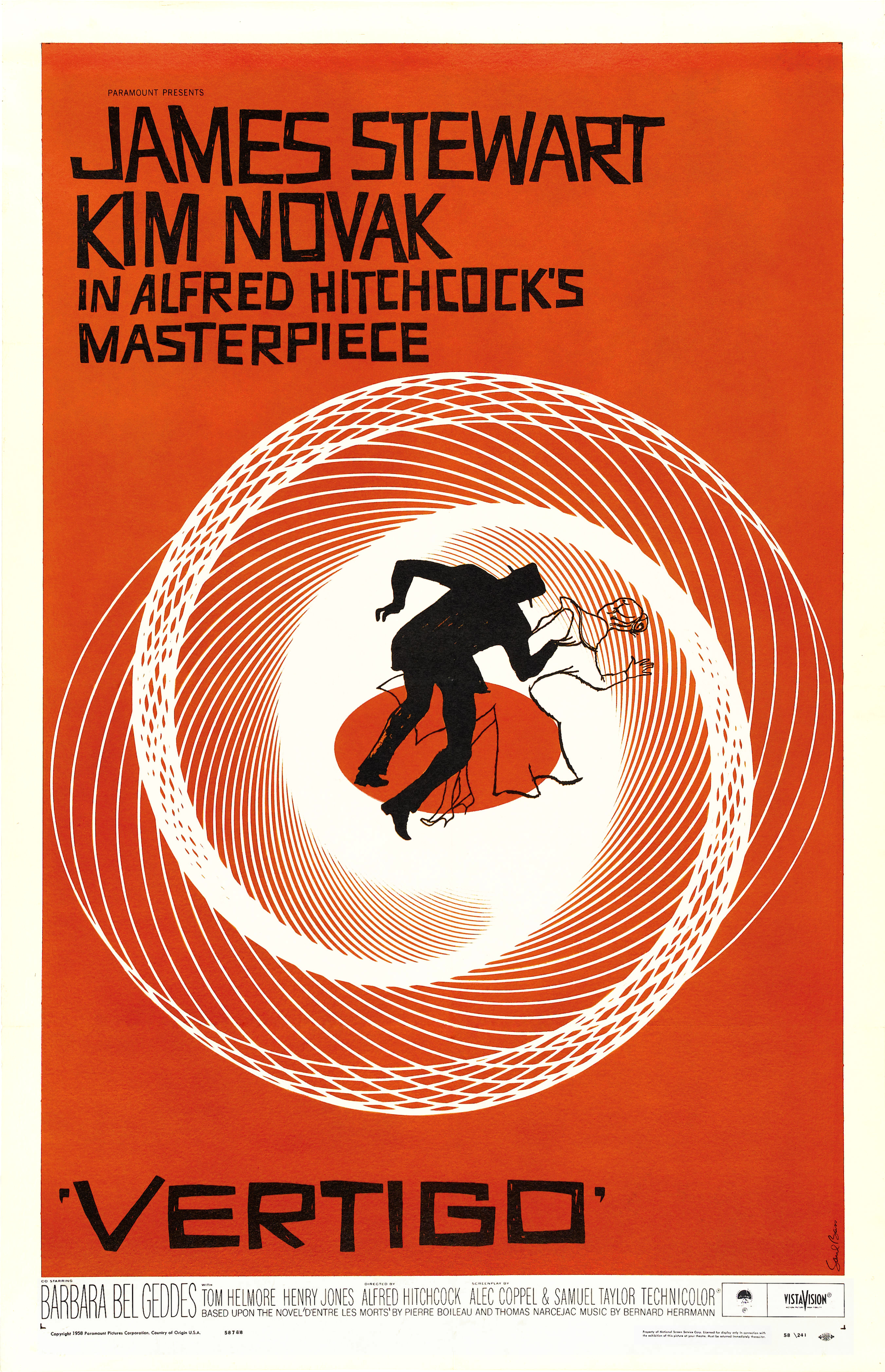
At his most confessional, Hitchcock delves into the mechanics of control and illusion. Vertigo stands as a masterclass in psychological manipulation, charting a tragic trajectory of loss and romantic obsession. Here, the director explicitly aligns the cinematic apparatus with male desire, interrogating the ways in which identities are constructed, consumed, and ultimately destroyed by those seeking absolute control.
Stylistic Signatures
Hitchcock's visual language is defined by an unparalleled command of cinematic storytelling and a meticulously controlled mise en scene. His direction and pacing are precisely calibrated to generate a claustrophobic atmosphere, utilizing spatial restrictions to heighten psychological impact. In Dial M for Murder, he wrings maximum tension from an intimate, domestic environment, proving that profound suspense requires little more than masterful framing and deceptive spatial geometry.
The director frequently juxtaposes tense, terrifying moments with a darkly humorous tone. This sophisticated cleverness manifests in his innovative storytelling techniques, such as the deliberate visual subversion in Psycho. By adopting a stark, visceral aesthetic, he forces the audience into an immediate, uncomfortable proximity with violence and madness, disrupting the glossy norms of classic Hollywood filmmaking.
Location and architecture serve as externalizations of internal trauma. The urban atmosphere of Rear Window creates a giant, single set that mirrors the protagonist's psychological confinement. Conversely, the evocative use of San Francisco in Vertigo establishes an elegantly spooky vision of the American city, transforming real geography into a haunting landscape of memory, isolation, and illusion.
Aural textures and propulsive editing rhythms further define the Hitchcock style. The intricate marriage of image and versatile, indispensable scoring creates an enveloping sensory experience. This synthesis of auditory tension and precise visual mechanics ensures that the audience remains perpetually off balance, fully surrendered to the director's orchestrated suspense.
Recurring Collaborators
The architectural precision of Hitchcock's cinema relied heavily on a trusted cadre of creative collaborators, most notably in front of the camera. James Stewart, appearing in both Rear Window and Vertigo, served as the ultimate surrogate for the director. Stewart's earnest, anguished performances brilliantly subverted his all American persona, exposing deep layers of voyeuristic obsession and tragic vulnerability.
Grace Kelly provided the perfect counterpoint to the underlying darkness of these narratives. Starring in Dial M for Murder and Rear Window, Kelly embodied the sophisticated elegance that the director famously demanded. Her presence injected a vital romantic friction into the suspenseful atmosphere, masking profound psychological complexity beneath a pristine, aristocratic exterior.
Behind the camera, composer Bernard Herrmann proved essential in translating the director's psychological landscapes into music. The indispensable scores crafted by Herrmann for films like Vertigo elevated the material beyond mere thriller elements, imbuing the narratives with the grandeur of classic myth and profound sorrow. The sonic tension he provided became as recognizable a signature as the director's visual motifs.
The literary architecture of these cinematic monuments was also shaped by brilliant screenwriters. Ernest Lehman's work on North by Northwest perfectly captured the witty and comedic tone required for a classic action thriller. By writing a flawless wrong man scenario, Lehman provided the structural foundation upon which Hitchcock could unleash his pure visual absurdity and kinetic cinematic flair.
Critical Standing
Initially embraced by the public as a consummate entertainer, Hitchcock's critical standing underwent a radical transformation as the medium evolved. Early reviewers often celebrated his films as glossy, entertaining masterpieces, praising the thrilling set pieces of North by Northwest while occasionally dismissing the deeper psychological undercurrents of his work. His reputation as a populist filmmaker initially masked his formal genius.
The meticulous reevaluation of his filmography has firmly established him as a master of narrative and a profound auteur. Vertigo, once met with mixed reactions, is now universally hailed as one of the finest American movies ever made. Its exploration of deeply personal themes has prompted critics to compare its tragic resonance to the Orpheus myth and the literary reflections of Proust, elevating it far beyond its genre origins.
Despite this overwhelming acclaim, his legacy remains a subject of rigorous, nuanced debate. Some contemporary critics reexamine the gender dynamics and themes of coded as queer sadism embedded within his suspenseful narratives. The controlling nature of his direction, particularly regarding his female leads, continues to spark intense discourse about the intersection of artistry and exploitation in classic cinema.
Even within his undisputed classics, dissenting critical voices persist. A minority of critics have periodically labeled films like Rear Window as static or bafflingly overrated, challenging the consensus of flawless perfection. Nevertheless, the ongoing reissue of his classic films ensures that his provocative, visceral explorations of guilt and identity will terrify and seduce each new generation of cinemagoers.